
During the fourth week of Ordinary Time, the readings continue to reflect the themes of encouragement to faith communities and challenges to embrace what is new so that we may maintain what is sacred. Being open to the presence of God in uncertain times figure prominently. Please consider writing your own responses to the readings or reflection questions below, or to reply to other peoples’ contributions. Also, if you know of a person, either religious or lay person, who has modeled the Xaverian way, and wish to share their story, please feel free to add to the comments section.
In the Letter to the Hebrews, the author reminds the audience of the men and women of faith who blazed a trail of commitment over time so that new believers could have the opportunity to be transformed and share the Good News. These trailblazers include the Twelve Apostles, who in their imperfect ways, were animated to embrace to the best versions of themselves with the people that they encountered. Today we also feature a great American trailblazer of faith, Brother Isidore Kuppel. His zeal for innovation and leadership inspired generations of people to fall in love with God and the Xaverian way.
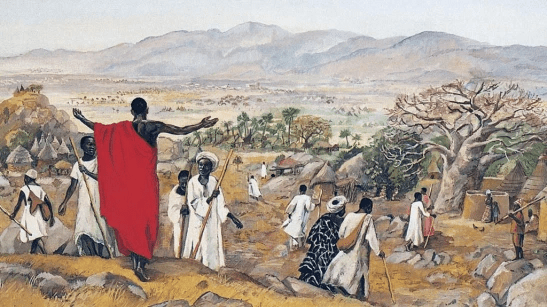
(Painting below of Jesus sending out the Twelve)
Reflect on pages 4 and 5 of the Fundamental Principles of the Xaverian Brothers.

(Above photo of Brother Isidore Kuppel, CFX-Xaverian Brothers)
- Consider the language in the Letter to the Hebrews, the Gospel of Mark, and the Fundamental Principles. How are they all simultaneously comforting and challenging? What is the relationship between being open to the challenges of discipleship and experiencing the comfort of a graced relationship with God that is present in a community of brothers and sisters?
- I love this picture of Brother Isidore. He is shown at repose, relaxing with an almost satisfied look on his face. It is an odd photo when one reads his biography above. The man rarely took it easy; it simply did not fit into his calling and the love that he felt from pursuing it. How did he internalize and then project the message from today’s Gospel about being sent forth? What lessons and insights did he glean from his failures that are of value to leaders today who respond to the call to be disciples?
 Ordinary and Unspectacular in the Liturgical Year