The Creation of Connections

Today begins the fifth week of Ordinary Time. During the weeks to come, first readings shift to the creation stories in Genesis, while the Gospel readings continue to follow the actions, prayerful pauses, and corrections performed by Jesus in the Gospel of Mark. These readings reflect on God’s love in action, specifically creation, and how these creative powers establish connections with us, made in God’s image. Conversely, the Scripture confirms our all too human tendency to disconnect from God and our truest selves. Yet God continues to reach out and be right in our midst, gently calling us to turn around and embrace what is real and holy.

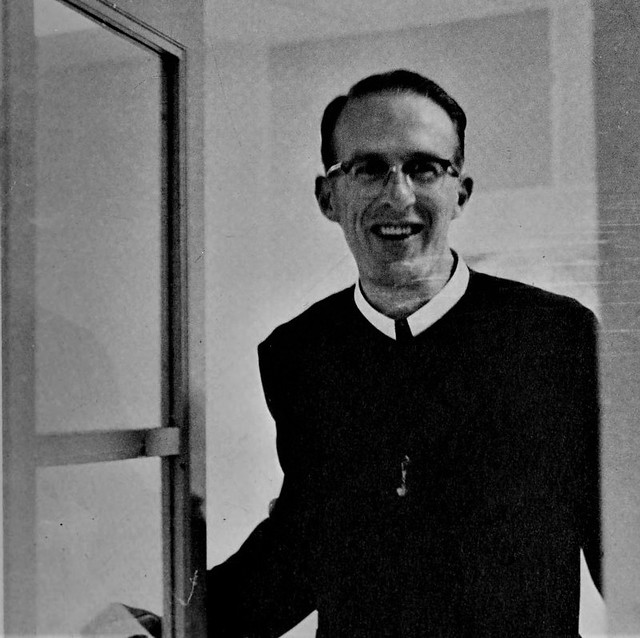
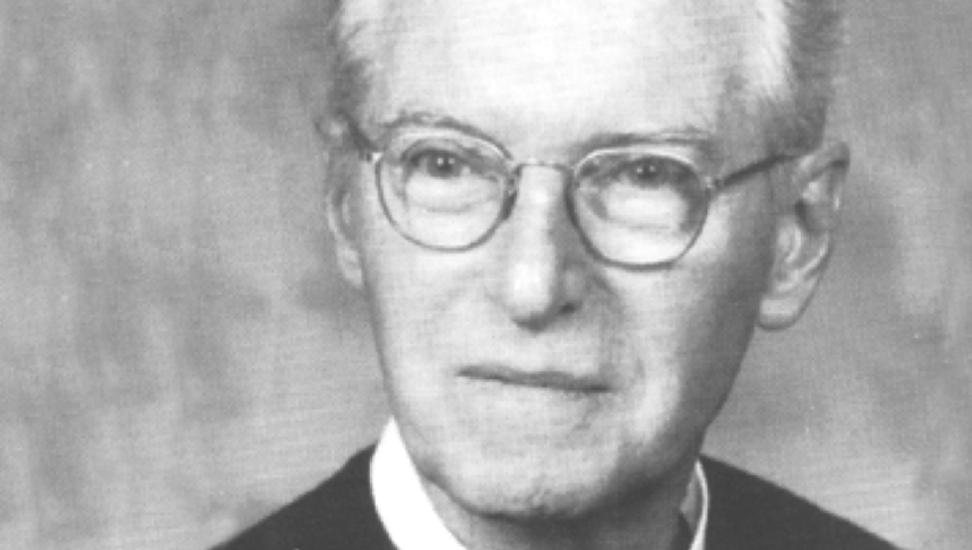
Today’s featured Xaverian is the late Brother Cosmas Rubencamp, CFX. Br. Cos was the first Xaverian Brother I ever met, while on a college retreat near Richmond, VA. I had no idea about who the Brothers were, or what words like “charism” meant. Yet there was something quietly special about this man. He had an incredible ability to sense how young adults hungered for spiritual connections and he facilitated those bonds through fellowship, prayer, and from the witness of other people who had responded to calls to fall in love with God and God’s service. It was over twenty years later when I found myself working in a Xaverian school in Baltimore that I heard other Brothers speak about Br. Cosmas’ ministries, and how his calling took him from college campuses to Haiti and back, in service to those suffering from material and spiritual poverty. This man was a Xaverian, “freely choosing to live a life of love in faith and trust.”
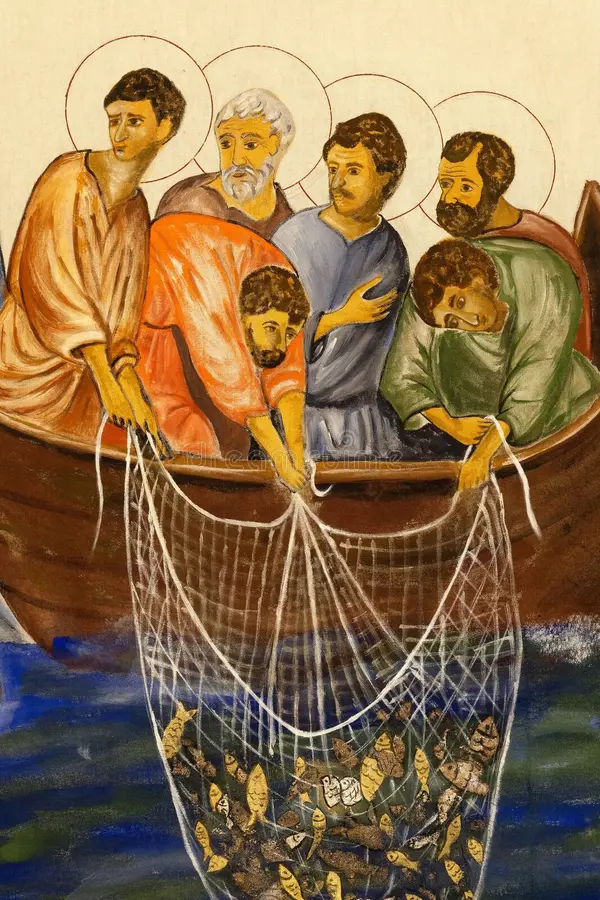
Here are the readings for Sunday, February 9 from the Prophet Isaiah, Paul’s First Letter to the Corinthians, and from the Gospel of Luke.

(Painting above of “Jesus’ Miracle: The Miraculous Fishing” by Lapeyrouse Mornay, icon 20th century)

Reflect on page 1 of the Fundamental Principles of the Xaverian Brothers.

Read the obituary reflection of Br. Cosmas Rubencamp, CFX, on p. 6 of Concordia, Fall 2017

In today’s Gospel, Jesus challenges his new friends to try something new, which grips them with fear but they hang on nonetheless. Reflect on the last two paragraphs from page 1 of the Fundamental Principles. The words remind us that we are children of God, loved for our very being, and as such we are called to demonstrate this love to others in our journeys in life. How can we share this gift with others during busy and mundane daily encounters with those we know and those we don’t? How are we being called to look to the opposite side of our current orbit to try something new, especially if it scares us?
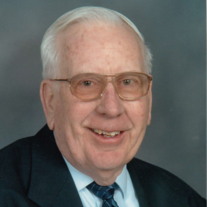
(Above photo of Brother Cosmas Rubencamp, CFX)

Please consider writing your own responses to the readings or reflection questions below, or to reply to other peoples’ contributions. Also, if you know of a person, either religious or lay person, who has modeled the Xaverian way, and wish to share their story, please feel free to add to the comments section. 

All that is Pleasing

During the fourth week of Ordinary Time, the readings continue to reflect the themes of encouragement to faith communities and challenges to embrace what is new so that we may maintain what is sacred. Being open to the presence of God in uncertain times figure prominently. Please consider writing your own responses to the readings or reflection questions below, or to reply to other peoples’ contributions. Also, if you know of a person, either religious or lay person, who has modeled the Xaverian way, and wish to share their story, please feel free to add to the comments section. 

Today is the final reading from the Letter to the Hebrews this cycle in Ordinary Time. The author reminds the community that grace can be found through ordinary sacrifices such as sharing with their neighbors and accepting the decisions of those tasked with leadership. In the Gospel of Mark, Jesus, despite fatigue, opens himself up to be present to the people who are aimless or lost. His disciples still do not fully grasp that this type of “agape” or self-sacrificing love in daily life has a compounding graced effect not only on those who are being served but also on the servant.

(Painting below of “Christ’s Entry into Brussels” by James Ensor)

Here are the readings for Saturday, February 8 from the Letter to the Hebrews and the Gospel of Mark.

Reflect on page 11 of the Fundamental Principles of the Xaverian Brothers.

  1. Read the Gospel and then read the section from the Fundamental Principles. What do you find challenging, frightening, or inspiring?
  2. How do the words of the Fundamental Principles reflect the words of encouragement in the Letter to the Hebrews?
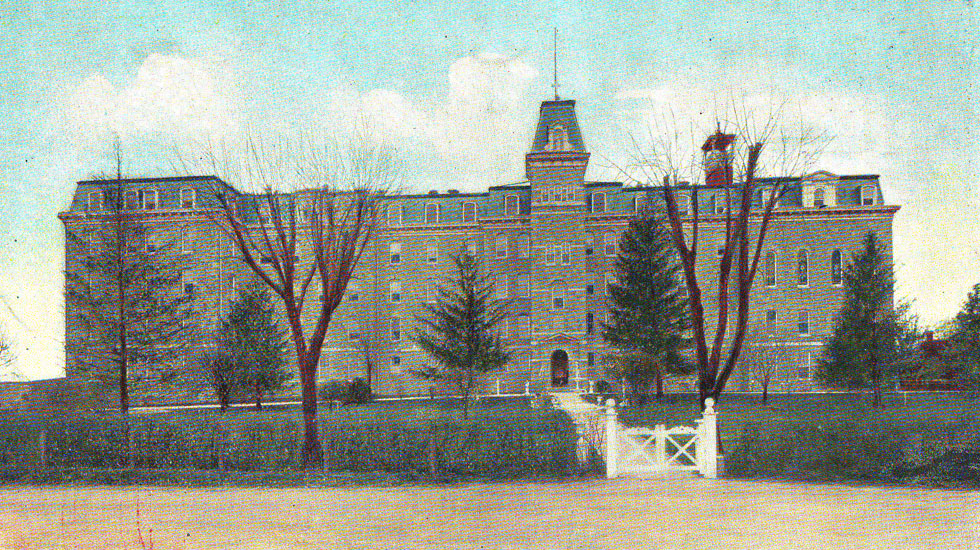
  3. Read the reflection on St. Mary’s Industrial School and the appreciation for Brother Thomas More Page, CFX. What gifts did he receive from his experiences at this school and how did he share the gifts as a man, as a Xaverian Brother, as a child of God?

(Above photo of Brother Thomas More Page, CFX-St. Xavier High School)

(Photo above of St. Mary’s Industrial School, Baltimore, MD-Xavierian Brothers)

Angels in the Architecture

During the fourth week of Ordinary Time, the readings continue to reflect the themes of encouragement to faith communities and challenges to embrace what is new so that we may maintain what is sacred. Being open to the presence of God in uncertain times figure prominently. Please consider writing your own responses to the readings or reflection questions below, or to reply to other peoples’ contributions. Also, if you know of a person, either religious or lay person, who has modeled the Xaverian way, and wish to share their story, please feel free to add to the comments section. 
Hospitality, because it is a practice that invites connection, is a disposition that helps remind us of the presence of God in our midst. Being open to others requires us to be present, and to drop our pretenses. We may be inspired by God to build structures and inspire crowds, but we should never underestimate the power in giving our undivided attention to the people in our midst, including those we do not know well. The Letter to the Hebrews underscores this point with the famous quote about having “unknowingly entertained angels.” In the Xaverian tradition there have been many powerful witnesses to this underrated skill, including lay women and men. They have and continue to demonstrate the lasting connections that can take place when we have the will to stop and be available, fully present to those we are blessed to encounter in our daily walks of life.

(Painting below of “Abraham’s Hospitality” by Marc Chagall)

Here are the readings for Friday, February 7 from the Letter to the Hebrews and the Gospel of Mark.

Reflect on pages 10 and 11 of the Fundamental Principles of the Xaverian Brothers.

(Photo below of Rev. Mother Facundina, staff member at Mount Saint Joseph High School, with tribute from the 1960 yearbook, The Tower)

(Above photo of Mrs. Judy Byron, Mount Saint Joseph High School Library 1987-2018)

Today we feature two powerful witnesses to the Xaverian way who worked at Mount Saint Joseph High School-Rev. Mother Facundina and Mrs. Judy Byron. They worked alongside Xaverian Brothers and lay faculty providing extraordinary care and service to the students who walked the halls or entered the library. We invite you to read the tribute to Mother Facunida from the 1960 MSJ yearbook shown above. In the 2018 yearbook, dedicated to Mrs. Byron, she was remembered as “a faithful, steadfast, and compassionate member of our school community, who for decades has arrived early and stayed late at our library to serve and minister to literally thousands of young men during their time at the Mount.” As we read the passages from the Scriptures and the Fundamental Principles, consider how the lives of these exceptional women perpetuated the Xaverian Charism we are called to embrace.

    Forward

    During the fourth week of Ordinary Time, the readings continue to reflect the themes of encouragement to faith communities and challenges to embrace what is new so that we may maintain what is sacred. Being open to the presence of God in uncertain times figure prominently. Please consider writing your own responses to the readings or reflection questions below, or to reply to other peoples’ contributions. Also, if you know of a person, either religious or lay person, who has modeled the Xaverian way, and wish to share their story, please feel free to add to the comments section. 

    In the Letter to the Hebrews, the author reminds the audience of the men and women of faith who blazed a trail of commitment over time so that new believers could have the opportunity to be transformed and share the Good News. These trailblazers include the Twelve Apostles, who in their imperfect ways, were animated to embrace to the best versions of themselves with the people that they encountered. Today we also feature a great American trailblazer of faith, Brother Isidore Kuppel. His zeal for innovation and leadership inspired generations of people to fall in love with God and the Xaverian way.

    (Painting below of Jesus sending out the Twelve)

    Here are the readings for Thursday, February 6 from the Letter to the Hebrews and the Gospel of Mark.

    Reflect on pages 4 and 5 of the Fundamental Principles of the Xaverian Brothers.

    (Above photo of Brother Isidore Kuppel, CFX-Xaverian Brothers)

    1. Consider the language in the Letter to the Hebrews, the Gospel of Mark, and the Fundamental Principles. How are they all simultaneously comforting and challenging? What is the relationship between being open to the challenges of discipleship and experiencing the comfort of a graced relationship with God that is present in a community of brothers and sisters?
    2. I love this picture of Brother Isidore. He is shown at repose, relaxing with an almost satisfied look on his face. It is an odd photo when one reads his biography above. The man rarely took it easy; it simply did not fit into his calling and the love that he felt from pursuing it. How did he internalize and then project the message from today’s Gospel about being sent forth? What lessons and insights did he glean from his failures that are of value to leaders today who respond to the call to be disciples?

    Discipline and Formation

    During the fourth week of Ordinary Time, the readings continue to reflect the themes of encouragement to faith communities and challenges to embrace what is new so that we may maintain what is sacred. Being open to the presence of God in uncertain times figure prominently. Please consider writing your own responses to the readings or reflection questions below, or to reply to other peoples’ contributions. Also, if you know of a person, either religious or lay person, who has modeled the Xaverian way, and wish to share their story, please feel free to add to the comments section. 

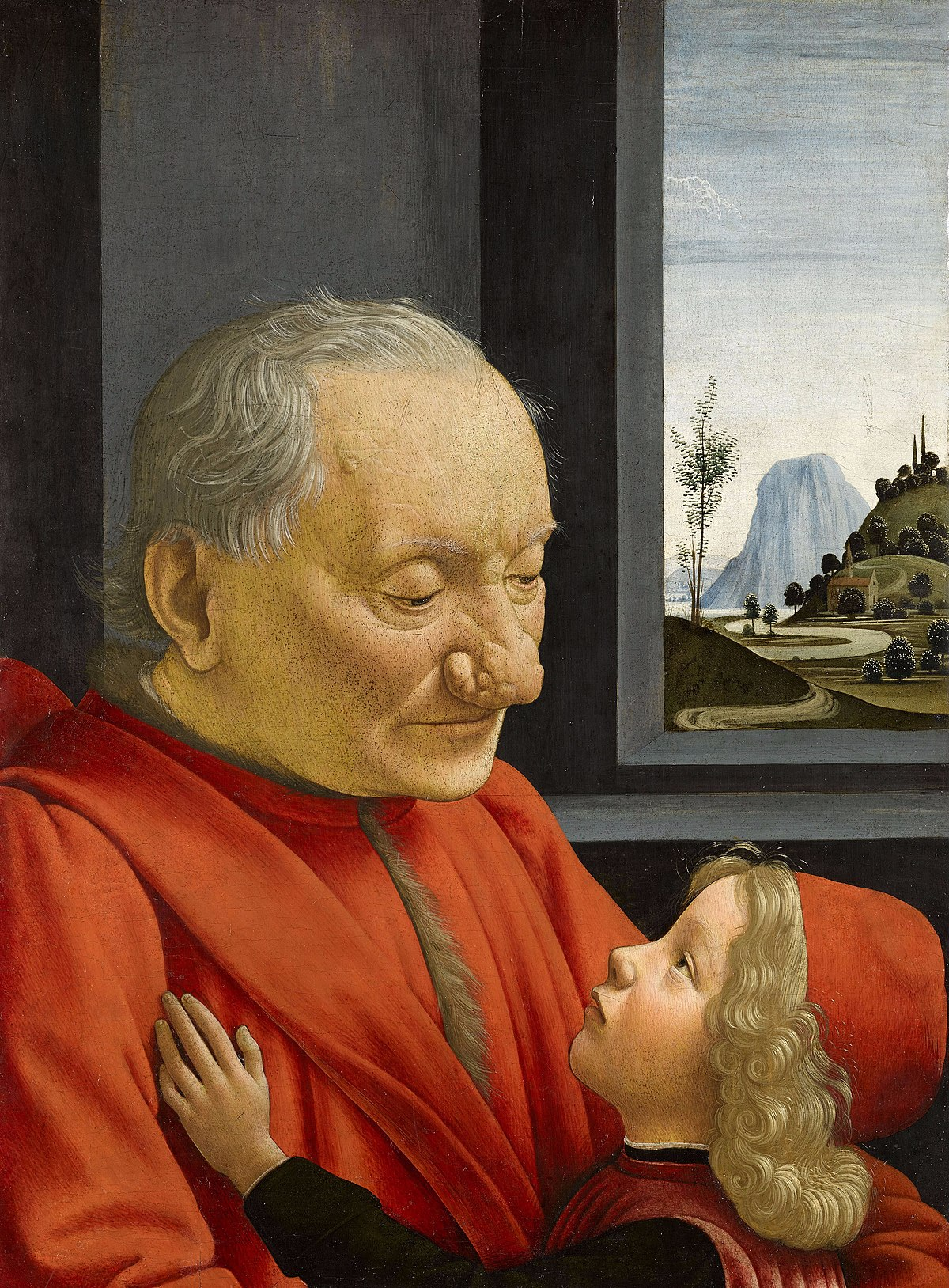
    Today’s passage from the Letter to the Hebrews focuses on the discipline, or correction, that comes with formation, and the author uses the image of parent and child to make their point. Love can come in many forms, but self sacrificing love can mean having the difficult conversations with a loved one to help them redirect their actions.

    (Painting below “An Old Man and his Grandson” by Domenico Ghirlendaio)

    Here are the readings for Wednesday, February 5 from the Letter to the Hebrews and the Gospel of Mark.

    Reflect on the Description of the Xaverian Charism for Xaverian Brothers Sponsored Schools.

    (Above photo of Br. Joseph (Maximus) Comber, CFX)

    1. The readings for today remind us of the need for constant formation. “Discipline” is used as a term like correction or the redirection of naughty children, but it really is a call to humility. Are we able to accept the need to change even when in our minds, the way we’ve always known and done things has been just fine?
    2. In the Gospel, the people cannot see or hear the Good News that is right in front of them, because they are unwilling to accept who or what might have changed, even if it benefits them. Think about the words of encouragement in Hebrews, especially when we are reluctant to accept correction or opportunities for growth and formation.
    3. Read the appreciation for Brother Joseph Comber, and reflect on how he embraced a life of humility that led him to great acts of service and ordinary moments of joy.

    Awake From Your Slumber

    During the fourth week of Ordinary Time, the readings continue to reflect the themes of encouragement to faith communities and challenges to embrace what is new so that we may maintain what is sacred. Being open to the presence of God in uncertain times figure prominently. Please consider writing your own responses to the readings or reflection questions below, or to reply to other peoples’ contributions. Also, if you know of a person, either religious or lay person, who has modeled the Xaverian way, and wish to share their story, please feel free to add to the comments section. 

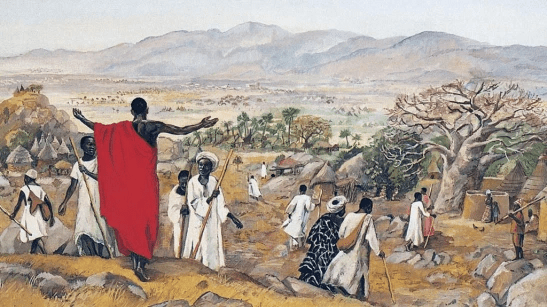
    Today’s passage from the Letter to the Hebrews contains the memorable “cloud of witnesses” phrase. It is simultaneously mysterious and tangible, reflecting the solidarity of the faithful, living and deceased, walking with us through peril but also through the quiet and mundane parts of our daily journeys. (Painting below “The Cloud of Witnesses” by Eria “Sane” Nsubuga)

    Here are the readings for Tuesday, February 4 from the Letter to the Hebrews and the Gospel of Mark.

    Reflect on the Description of the Xaverian Charism for Xaverian Brothers Sponsored Schools.

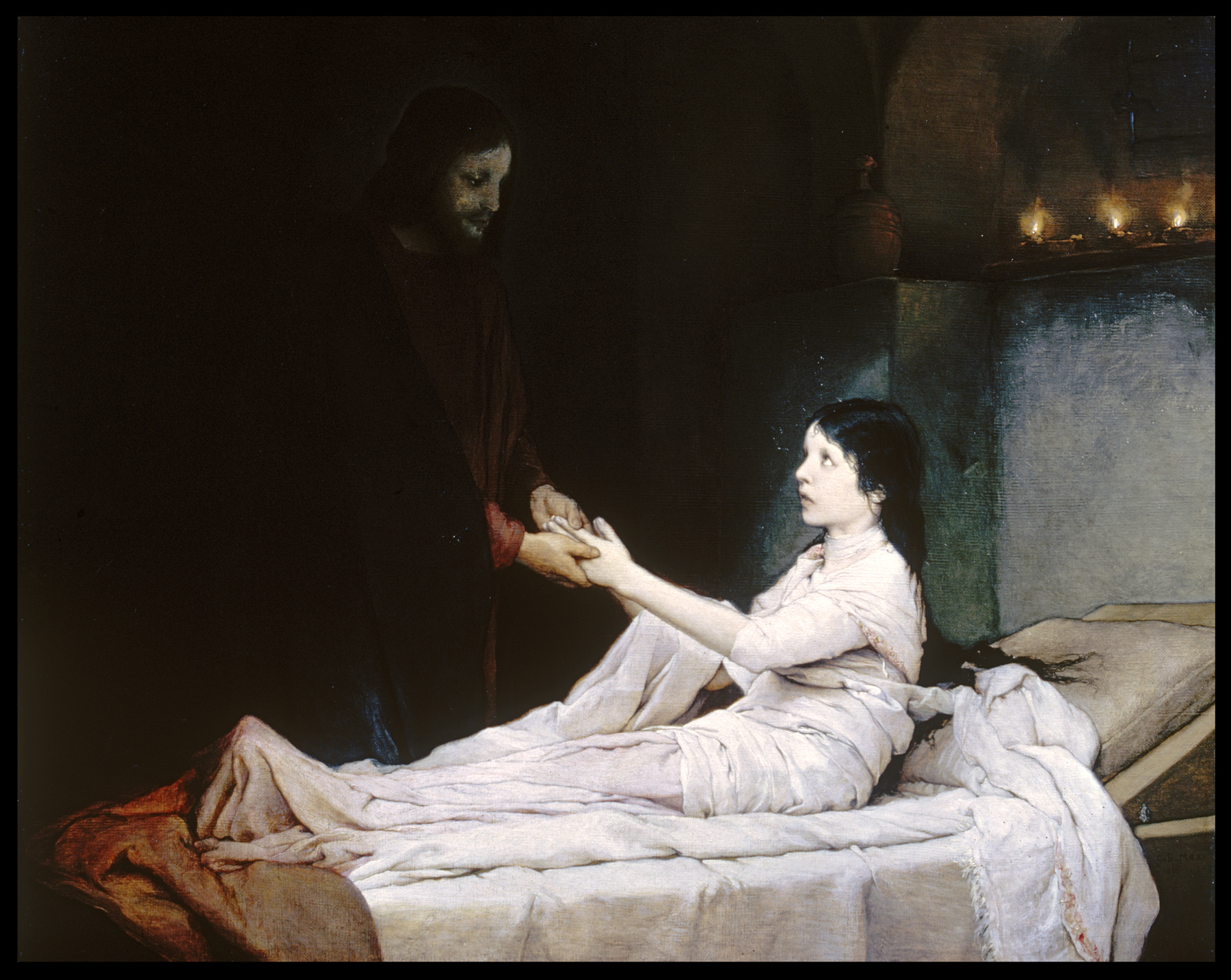
    (Above painting of “The Raising of Jairus’ Daughter” by Gabriel Max)

    1. Jesus shocks and even offends people by describing Jairus’ daughter as asleep. What was he trying to say, not necessarily about the girl, but about the adults in the room?
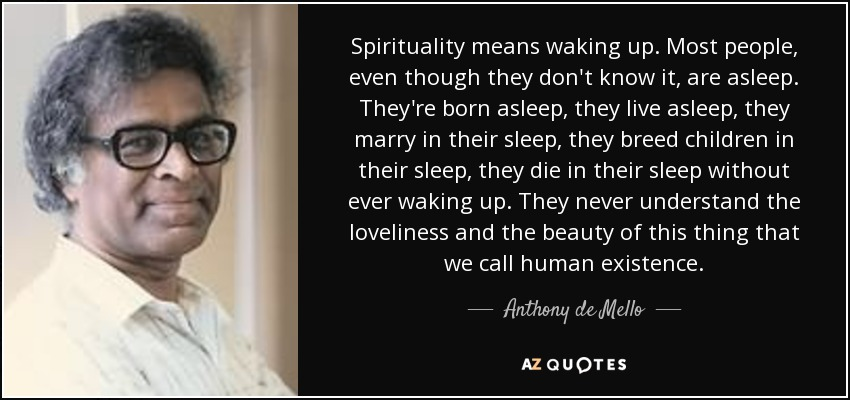
    2. Compare the preamble in the description of the Xaverian charism with the quote below from Anthony de Mello. How does each text reflect the concept of awakening, especially to the daily and unspectacular experiences that are nevertheless grace filled?

    Out of Weakness Made Powerful

    During the fourth week of Ordinary Time, the readings continue to reflect the themes of encouragement to faith communities and challenges to embrace what is new so that we may maintain what is sacred. Being open to the presence of God in uncertain times figure prominently. Please consider writing your own responses to the readings or reflection questions below, or to reply to other peoples’ contributions. Also, if you know of a person, either religious or lay person, who has modeled the Xaverian way, and wish to share their story, please feel free to add to the comments section. 

    (Painting below “Jesus Heals the Gerasene Demoniac”)

    Here are the readings for Monday, February 3 from the Letter to the Hebrews and the Gospel of Mark.

    Reflect on the prayer, “Prophets of a Future Not Our Own” by Bishop Kenneth Untener.

    (Above photo of Brother Plunket Doherty, CFX Teaching at Malden Catholic High School in 1970-Xaverian Brothers)

    1. Are we able to be at peace with the idea that our legacy or life’s work may not be remembered by many, or that we may not see the fruits of our labor? How does this apply to anyone charged with forming or educating a young person?
    2. If you were a follower of Jesus who witnessed him healing the man with the unclean spirit, would you judge the events that unfolded as a success? What was the source of the onlookers’ fears?
    3. A former student once remarked that “Brother Plunket Doherty commanded a roomful of boys with just a look and a whisper.” How can our very dispositions around others be an efficacious way of sharing our faith or understanding of spiritual gifts?

    Joy and Storm Clouds

    As we begin the fourth week of Ordinary Time, the readings continue to reflect the themes of encouragement to faith communities and challenges to embrace what is new so that we may maintain what is sacred. Please consider writing your own responses to the readings or reflection questions below, or to reply to other peoples’ contributions. Also, if you know of a person, either religious or lay person, who has modeled the Xaverian way, and wish to share their story, please feel free to add to the comments section. 
    Images of crucibles and foreshadowing of crucifixions permeate today’s readings from the book of Malachi and Gospel of Luke. These are sobering messages but hopefully not foreboding. Christianity, and the spiritual life in general, are not about glorifying suffering or masochism. Rather, just as Mary carried the sorrowful mysteries with her, the more attentive we are to our present realities, including times of dull or acute pain, the easier it is to accept moments of grace and happiness. What can help us in this journey is a commitment to the present tense with contemplative practices, even simple ones, that can put our lived experience into greater focus. Consider the very active life of Br. Philip Neri Crossen (bio below) that was animated by his commitment to stillness in prayer. This week, continue to reflect on the gentle and sometimes urgent prompting and encouragement in the letter to the Hebrews to follow the ways of Jesus, even when the path forward is not clear. Note also the patterns of activity that Jesus establishes for himself and his friends in the Gospel of Mark, and the tensions that his choices cause among even with people who admire him and his ministry. Like Jesus, may we own these uncomfortable moments with others as a part of revealing who we truly are meant to be, rather than to seem in appearance.

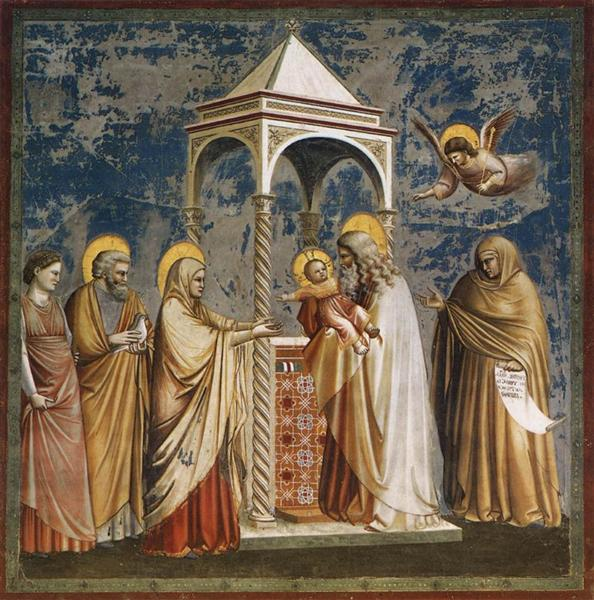
    (Fresco below “Presentation of Christ in the Temple” by Giotto)

    Here are the readings for Saturday, February 1 from the Book of Malachi, the Letter to the Hebrews, and the Gospel of Luke.

    (Above photo of Brother Philip Neri Crossen, CFX-Xaverian Brothers)

    1. Read the appreciation of Br. Philip Neri Crossen by Br. Thomas Ryan. Note the details of Br. Philip’s daily routine and the intentionality of his commitments large and small.
    2. Reflect on the interactions of Mary with Simeon and Anna. How do their omens and warnings fit into a moment that is meant to be both a rite of passage and celebration of life? Remember, the Gospel literally means “Good news!” How can this inform us in our interactions with people we truly love in very active and selfless ways?

    Turn Toward Not Away

    In this third week of Ordinary Time, the readings continue to reflect the themes of encouragement to faith communities and challenges to embrace what is new so that we may maintain what is sacred. Please consider writing your own responses to the readings or reflection questions below, or to reply to other peoples’ contributions. Also, if you know of a person, either religious or lay person, who has modeled the Xaverian way, and wish to share their story, please feel free to add to the comments section. 

    Like yesterday, today’s readings challenge us to embrace what is unknown. We are not to ignore our fears or pretend they do not exist, but instead recognize that these fears-of failure, rejection, mortality, are all real. In doing so, by being honest and vulnerable about what makes us uncomfortable, we can experience a transcendence, a grace that shines bright in the midst of the confusion caused by life’s storms. The author to the Hebrews, ever the cantankerous cheerleader for their community, recounts the difficulties faced by heroes of the Old Testament, and how they connected to the mystery of God even as they knew they would most likely not see the fruits of their labor fulfilled in their lifetimes. Like Jesus in Mark, the author to the Hebrews reminds the audience that faith does not let them avoid the storms, but to engage the storms and emerge stronger, regardless of the immediate outcomes.

    (Painting below “Jesus Calms the Storm” by Neil Thorogood)

    Here are the readings for Saturday, February 1 from the Letter to the Hebrews and from the Gospel of Mark.

    Next, read and reflect upon “A Description of the Xavrerian Charism

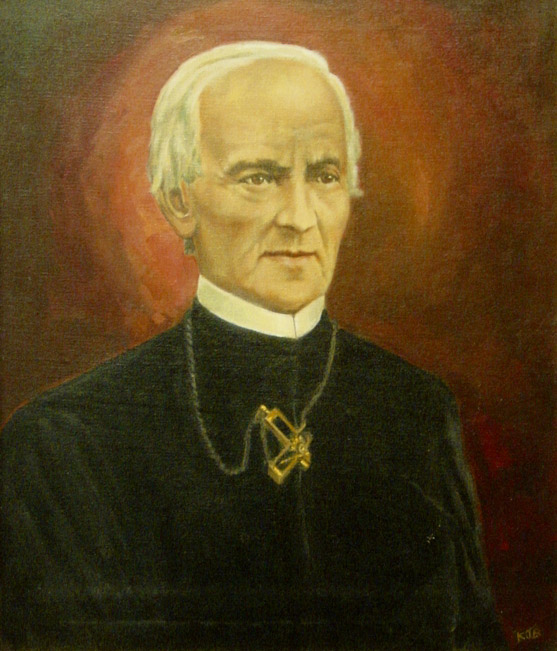
    (Above portrait of Theodore James Ryken, Xaverian Brothers)

    1. In the Charism statement, we acknowledge that like the Founder, Theodore James Ryken, we are called to be open to being “put in our place.” This implies the need for a disposition of humility but also one of gratitude. How can we experience this gratitude while at the same time navigating the very real and tangible challenges and conflicts that come with trying to live a spiritual life in an environment that may be inhospitable to this life?
    2. It is important to not overlook the humorous detail in the Gospel of Mark that Jesus was fast asleep while out on the boat with the apostles. Ironically, it is the apostles who were actually asleep in this situation. What does this mean and why does Jesus so badly want them and us to wake up? What does Jesus want us to wake up to and recognize, perhaps for the first time?

    A Shared Vision

    In this third week of Ordinary Time, the readings continue to reflect the themes of encouragement to faith communities and challenges to embrace what is new so that we may maintain what is sacred. Please consider writing your own responses to the readings or reflection questions below, or to reply to other peoples’ contributions. Also, if you know of a person, either religious or lay person, who has modeled the Xaverian way, and wish to share their story, please feel free to add to the comments section. 
    Today’s readings recognize the need to be at peace with the realities of progress or achievements in our lifetimes. The benchmarks of our growth or what we help build are not always obvious and most of us toil in anonymity. Can we accept the belief that regardless, we are loved, always have been, and always will be, and that actual joy comes from not only living that reality, but sharing it unselfishly with others, without expectation of reward?

    (Photo below of Xaverian Brothers and Staff of the Ryken Centre of Hope in Bungoma, Kenya 2019)

    Here are the readings for Friday, January 31 from the Letter to the Hebrews and from the Gospel of Mark.

    Next, read and reflect upon page 9 the Fundamental Principles of the Xaverian Brothers.

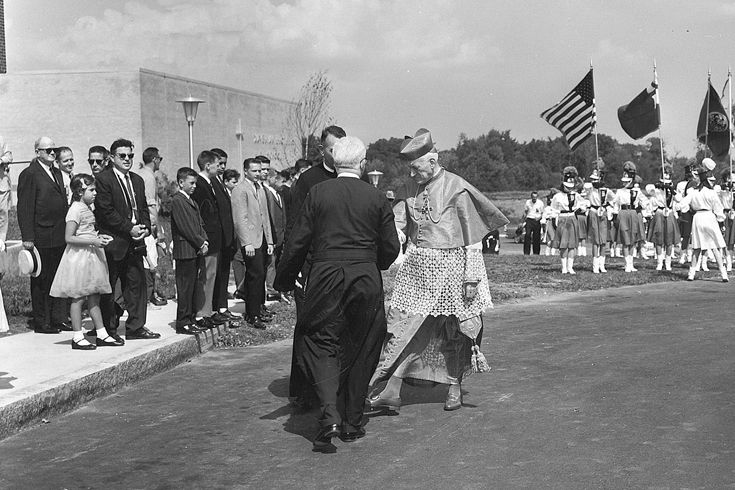
    (Above photo of Brother Marcellus Feeley CFX, greeting Cardinal Cushing at the dedication of Xaverian Brothers High School in Westwood, MA in 1963)

    1. In the end, all of our achievements and monuments to our time on earth will disappear. How does the message in the letter to the Hebrews and the Fundamental Principles help us come to terms with this reality?
    2. Read the obituary of Brother Marcellus Feeley on pages 74-75 of the Xaverian Brothers Menology. He was steeped in tradition but also lived a life of innovation and embraced technology. How can we have a similar vision of stepping into what is new and be willing to let go of control of this vision by sharing it with others, knowing they may take it into the future?