Trust Me I Am Here

In this third week of Ordinary Time, the readings continue to reflect the themes of encouragement to faith communities and challenges to embrace what is new so that we may maintain what is sacred. Please consider writing your own responses to the readings or reflection questions below, or to reply to other peoples’ contributions. Also, if you know of a person, either religious or lay person, who has modeled the Xaverian way, and wish to share their story, please feel free to add to the comments section. 

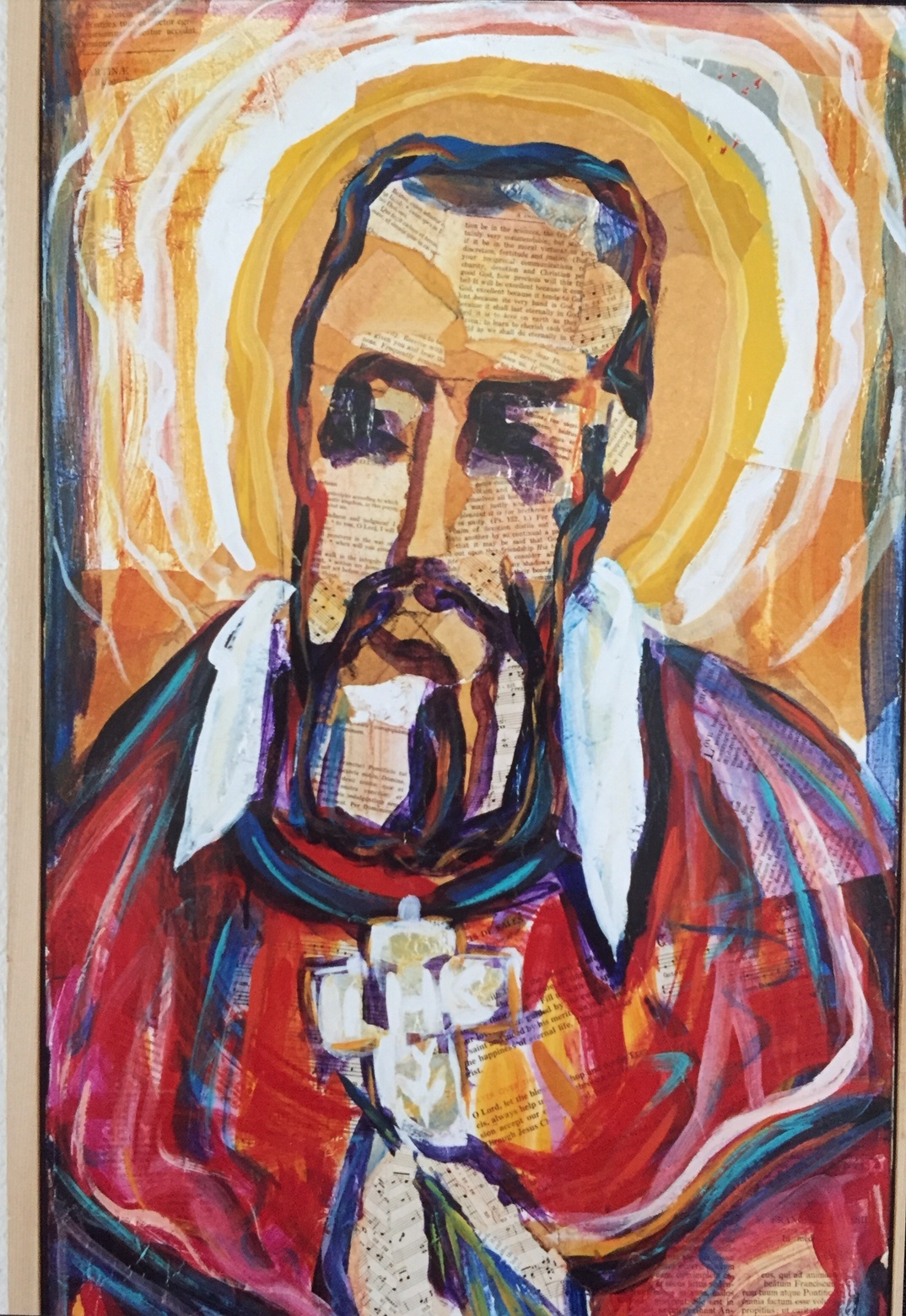
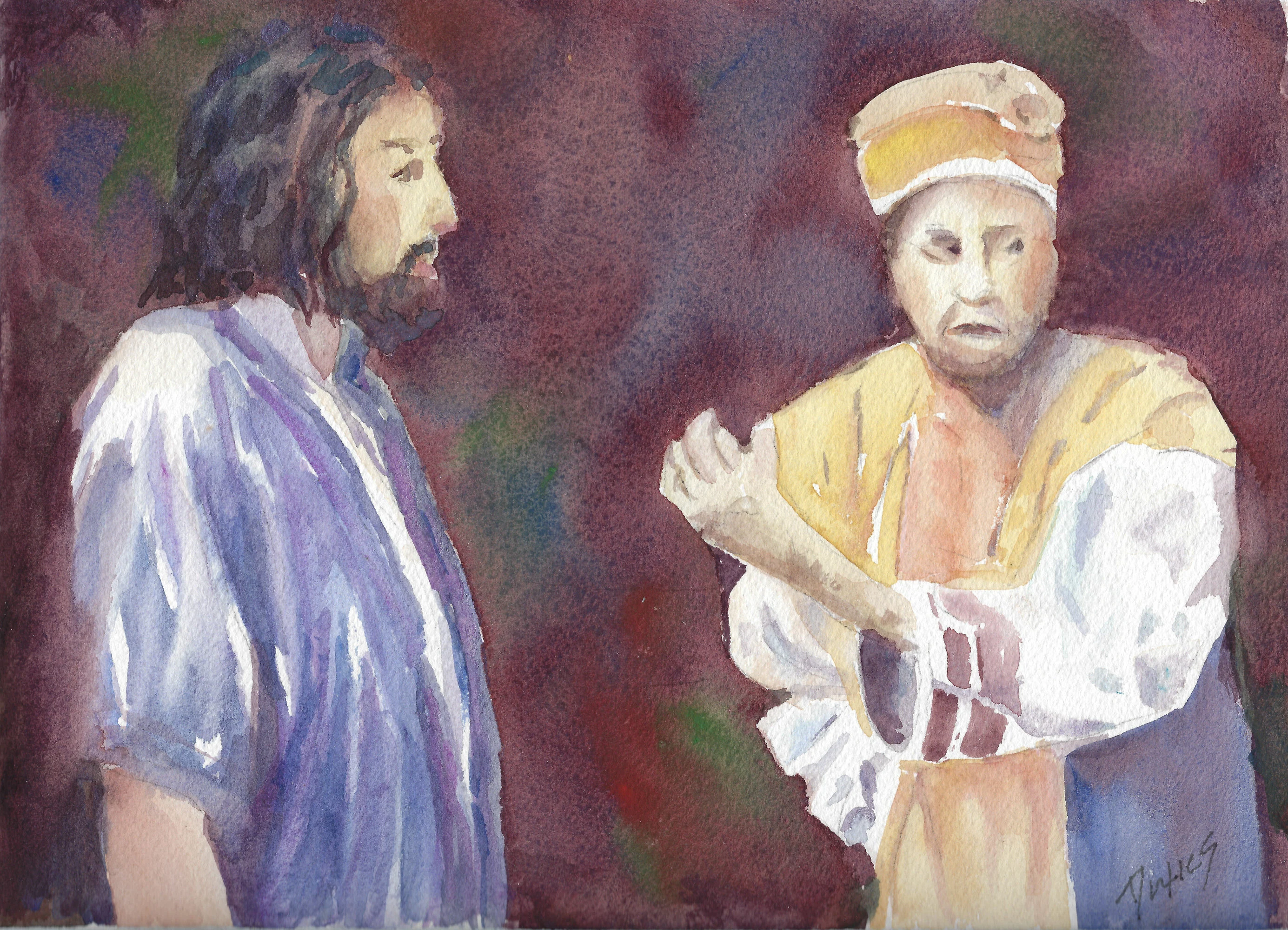
The Xaverian Charism calls us to fall in love with God each day. On some days this is quite natural, and extremely difficult on others. I suspect for those of us who pursue a spiritual journey, most days fall somewhat on a continuum between the two extremes. Motivation for stepping into the unknown may be in short supply on any given ordinary day. This is where grace comes in. People who follow the Xaverian way are empowered by five values which help us bear witness to the Charism. The values are: Simplicity, Compassion, Humility, Zeal, and Trust. The values do not exist in isolation and together gives us and our communities a beacon, especially when we are reluctant or fearful. As you read today’s Scriptures and the profile of Brother Raymond Hoyt, CFX, think about the value of Trust and its power to animate us, even on the most ordinary of days. (Painting below “Jesus Lamp Under a Bushel”)

Here are the readings for Thursday, January 30 from the Letter to the Hebrews and from the Gospel of Mark.

Next, read and reflect upon pages 2 and 3 the Fundamental Principles of the Xaverian Brothers.

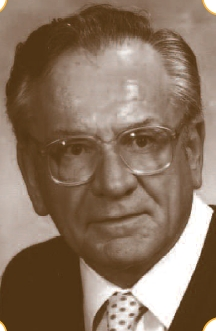
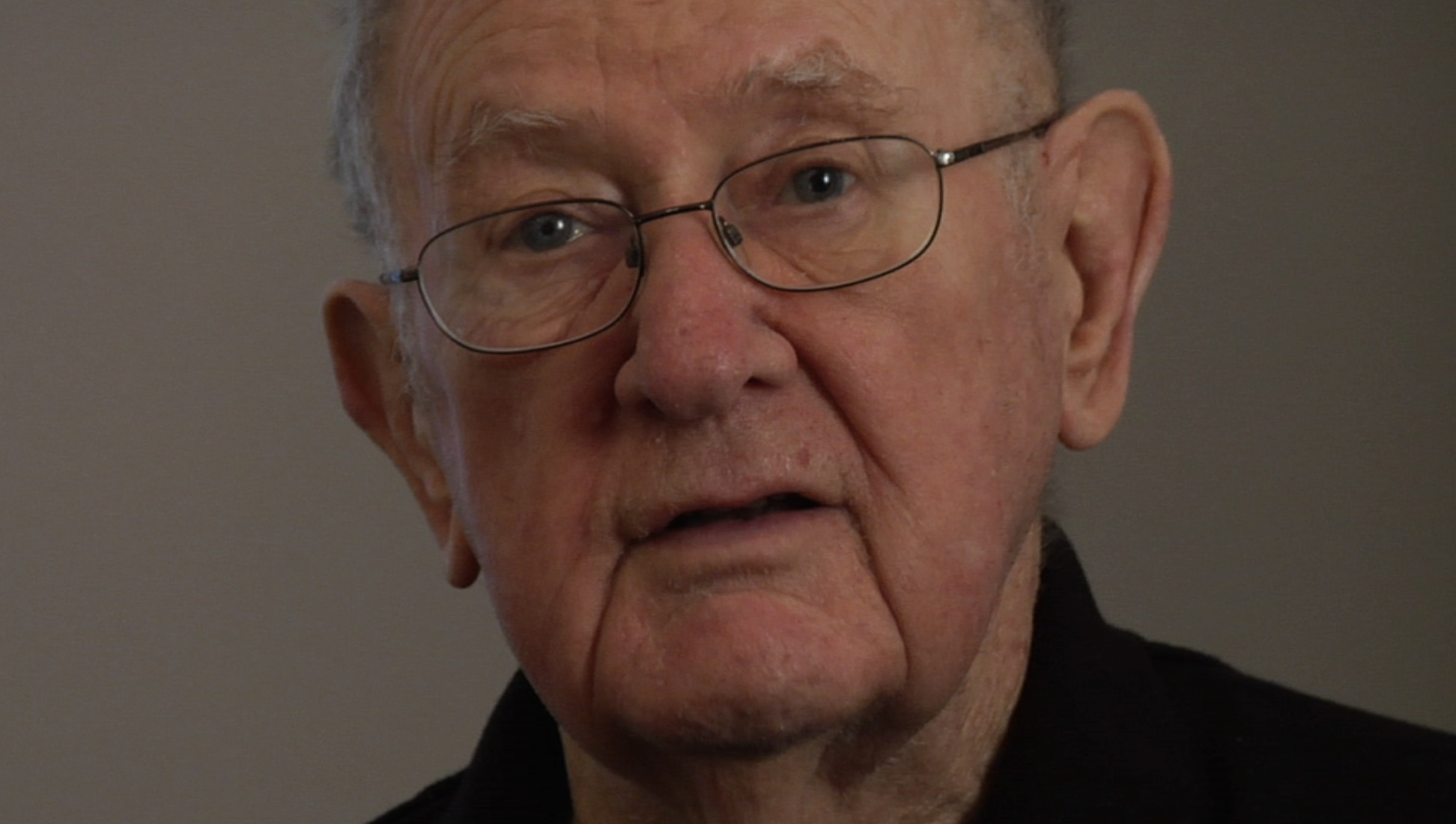
(Above photo of Brother Raymond Hoyt, CFX)

  1. Read the passage from the Letter to the Hebrews and pages 2 and 3 from the Fundamental Principles together. How do the words and messages in the Fundamental Principles reflect what is revealed in the Scripture, especially about the value of Trust?
  2. Why is Trust so essential to following through on Jesus’ command to not to hide one’s “lamp” or inner light, as well as his admonition about the effects of unconditional giving of self?
  3. Read the text and view the video on the life of Br. Raymond Hoyt, CFX. How did he reflect the Xaverian Charism in daily life, especially witnessing to the value of Trust?

No Need to Look

I’ve always had mixed feelings about the movie “Forrest Gump.” I always thought it was the third best movie of 1994 behind “The Shawshank Redemption” and “Pulp Fiction”, yet it got all the accolades. Nevertheless, there are several powerful quotes in the film that resonate today and have nothing to do with chocolate. My favorite line comes after Lt. Dan sarcastically asks Gump if he has “found Jesus yet?” Without missing a beat, Forrest replies, “I didn’t know I was supposed to be looking for him, sir.”

In this third week of Ordinary Time, the readings continue to reflect the themes of encouragement to faith communities and challenges to embrace what is new so that we may maintain what is sacred. Please consider writing your own responses to the readings or reflection questions below, or to reply to other peoples’ contributions. Also, if you know of a person, either religious or lay person, who has modeled the Xaverian way, and wish to share their story, please feel free to add to the comments section. (Painting below “Jesus Preaching from a Boat” by Jorge Cocco)

Here are the readings for Wednesday, January 29 from the Letter to the Hebrews and from the Gospel of Mark.

Next, consider the advice of Anthony de Mello:

“Don’t ask the world to change….you change first. People who want a cure, provided they can have it without pain, are like those who favor progress, provided they can have it without change. The one who would be constant in happiness must frequently change.” -Anthony de Mello, SJ

(Above photo of Tim Coppejans, head of school at Des Freres in Bruges, Belgium, and Br. Dan Skala, CFX, General Superior)

  1. What does de Mello insist is necessary for spiritual growth as well as tangible change for the better in our world?
  2. In Mark, Jesus suggests that we are actually standing on fertile ground, we do not have to search for it. What daily reflective practices can help remind us of where we actually are and break the illusion that we are far away from God?
  3. The Xaverian Brothers began in Belgium, and the Charism is still alive and well there, led by committed lay people and the Xaverian Brothers. Consider the story of Des Freres as an example of how the Charism continues to inspire people to recognize the fertile ground underneath their feet.

My Logical Family

In this third week of Ordinary Time, the readings continue to reflect the themes of encouragement to faith communities and challenges to embrace what is new so that we may maintain what is sacred. Please consider writing your own responses to the readings or reflection questions below, or to reply to other peoples’ contributions. Also, if you know of a person, either religious or lay person, who has modeled the Xaverian way, and wish to share their story, please feel free to add to the comments section. (Painting below “Christ in Red” by El Greco)

Here are the readings for Tuesday, January 28 from the Letter to the Hebrews and from the Gospel of Mark.

Then read pages 12 and 13 of the Xaverian Charism Project.

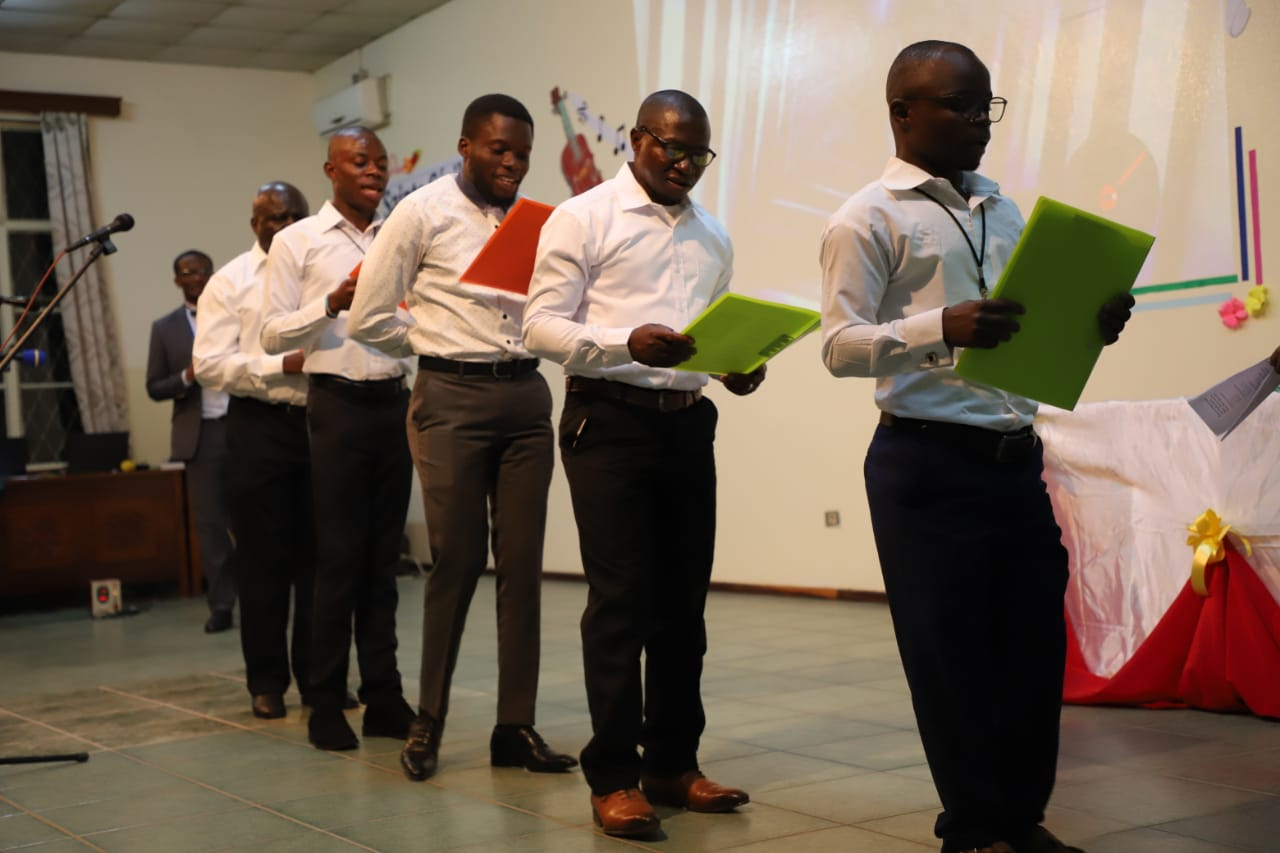
(Above photo of the Xaverian Brothers in Congo celebrating the Feast of St. Cecilia)

  1. Why is Jesus being so enigmatic to everyone, including the modern reader, when he is asked about his family’s concern for him?
  2. How do Jesus’ words about what makes a family relate to the concept of the Pneumatic dimension to faith-based or spiritual communities found in the Xaverian Charism Project?

A New Sanctuary if we Dare

Here are the readings for Monday, January 27 from the Letter to the Hebrews and from the Gospel of Mark. 

Then read page 12 of the Xaverian Charism project. 

  1. In the Xaverian Charism project, the spiritual dimensions of religious communities include terms like anamnestic, which refers to a loving but critical meditation on the past and openness to the Spirit for the future. What ministries can lay people who are formed in the Xaverian way contemplate for an avocation or vocation? How can these vocations align with the foundational calling experienced by Ryken?
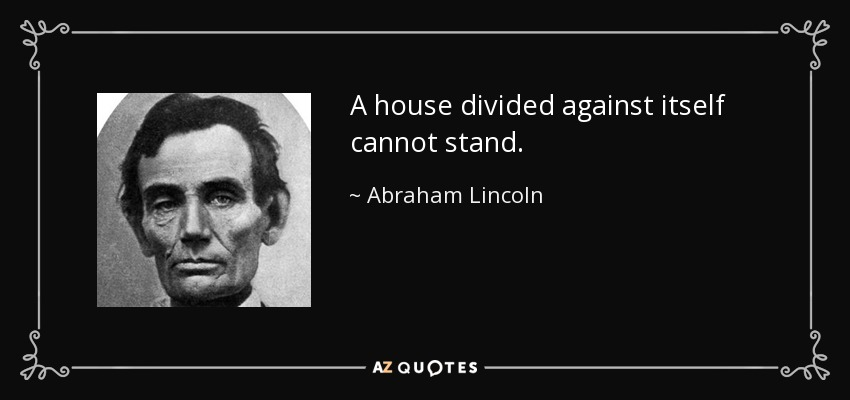
  2. Today’s Gospel focuses on Jesus’ famous “house divided” parable, which was memorably quoted by President Lincoln. Jesus uses these parables to ask us about the sources of our outrage at encounters we find repugnant. Is our anger coming from a sincere desire to prevent evil, or because we are uncomfortable with what is unfamiliar? If it is the latter, do we have the courage to change and risk criticism from our peers in the community?

Return and Rejoice

(Painting below “Nehemiah at the Walls of Jerusalem” by Paul Gustave Dore)

As we come to the end of the second week of Ordinary Time, the readings shift to two homecomings: Nehemiah and the Israelites as they begin to rebuild the temple in Jerusalem, and Jesus returning from his time in the desert to the synagogue in his hometown of Nazareth. Both moments are emotional, as they conjure up memories of the comfort of the past. But Nehemiah and Jesus look at their people squarely and reveal to them what they may not be ready to hear-it is time to build something new. Today we also feature the life of the extraordinary Brother Arcadius Alkonis, who answered a call to join the Xaverian Brothers, take on leadership positions in schools, and then, to build something new. In his case, it was to teach and serve in multiple schools in Kenya.

In this third week in Ordinary Time, we continue to encounter the encouragement from the Letter to the Hebrews and dare to keep up on Jesus’ rapid but intentional journey through the Gospel of Mark.

Please consider writing your own responses to the readings or reflection questions below, or to reply to other peoples’ contributions. Also, if you know of a person, either religious or lay person, who has modeled the Xaverian way as Brother Arcadius did, and wish to share their story, please feel free to add to the comments section. 

Here are the readings for Sunday, January 26 from the Book of Nehemiah the Gospel of Mark.

Read Brother Ed Driscoll’s tribute to Brother Arcadius Alkonis.

(photo of Brother Arcadius Alkonis, CFX-Xaverian Brothers)

  1. After reading the tribute to Br. Arcadius, it is easy to marvel at the scope of his career and ministry just in terms of the places he traveled! However, Br. Ed Driscoll claims that “…in his own unique way, Arcadius embodied the Xaverian Charism as no one else can.” How does “embodying the charism” make a person’s life so much more than the sum of one’s achievements?
  2. The themes in this week’s readings are about the actual grace in answering a call from God, and navigating the pushback from well meaning people who struggle to accept that traditions must change in order to reflect the holiness that created them in the first place. Today, the tension between preserving the past and exploring the future is very real in spiritual communities. This tension can be healthy if all parties are open to dialogue. What is dialogue, and how is it different than mere agreement or consensus?

Awareness of Conversion

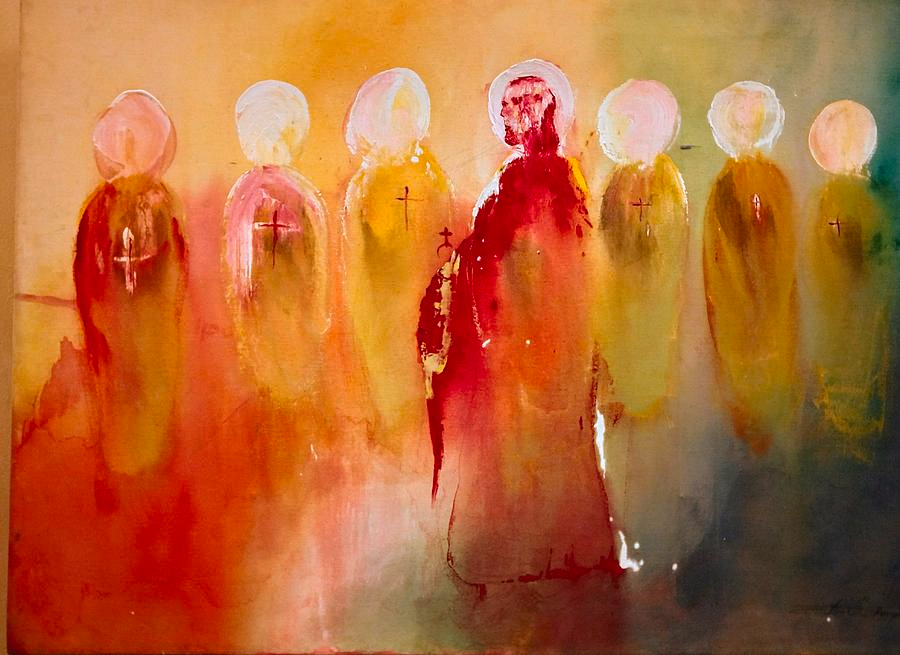
As we come to the end of the second week of Ordinary Time, the readings shift somewhat today and tomorrow. Today the overwhelming themes are conversion and the zeal that comes from this transformation. We read about the conversion experiences of Saul of Tarsus and of the surviving 11 Apostles following Jesus’ resurrection. Conversion and awareness of it is a central component to the Fundamental Principles of the Xaverian Brothers. Please consider writing your own responses to the readings or reflection questions below, or to reply to other peoples’ contributions. Also, if you know of a person, either religious or lay person, who has modeled the Xaverian way, and wish to share their story, please feel free to add to the comments section. (Painting below “Jesus and his Apostles” by Edward Longo)

Conversion is never truly sudden, even if it is dramatic like Saul of Tarsus. True, he was thrown from his own life into darkness, emerging as a changed person. Yet if one reads the narratives about Paul’s faith journey, along with the points of emphasis in his missionary letters, it is clear that Paul’s conversion to the Gospel keeps occurring over time, sustaining him and giving him strength to approach new audiences and the challenges of a changing world.

  1. How have experiences of humility (or humiliation) in your life been a source of wisdom which you can then share as a gift to others?
  2. How is a religious conversion like a lifelong friendship, committed relationship or marriage?

Here are the readings for Saturday, January 25 from the Acts of the Apostles and from the Gospel of Mark.

Then read pages 12 and 13 of the Fundamental Principles of the Xaverian Brothers. 

(Above painting “The Conversion of St. Paul” by James B. Janknegt)

Br. James Kelly was my first boss at a Xaverian school. I say boss because there was never any doubt that he was in charge. He is best known for leading three Xaverian Schools, the last being Mount Saint Joseph High School, and for his larger than life personality. For me, what impressed me most about Br. James was his talent for sharing the history of the Xaverian Brothers with lay people like me who had little to no background in it, and in transforming these stories of the past into lessons and parables for our shared future as a school community. I learned later that Jim was not educated by Xaverian Brothers, so he made it his mission to find out as much of their history and dispositions as possible. He succeeded, with a convert’s zeal.

  1. How has your understanding of history, either personal, societal, or of your own community, helped you share your values to new people in your orbit?
  2. How have you maintained your core values yet adapted to how they inform your actions and work based on the signs of the times?

Covenant Relationships

For the second week of the season, the first readings continue to come from an unknown author directed at the somewhat ambiguous audience in early Christianity known as “the Hebrews.” The Gospel readings during Ordinary Time are focused on Jesus and his actions and words, but mostly his actions, in the Gospel of Mark. There is also a reflection question based on documents from the Xaverian Brothers or from accounts of the lives of Xaverian Brothers or lay Partners in Mission. Please consider writing your own responses to the reflection questions below, or to reply to other peoples’ contributions. Also, if you know of a person, either religious or lay person, who has modeled the Xaverian way, and wish to share their story, please feel free to add to the comments section. (Print below of St. Francis de Sales, patron saint of journalists, by Thomas Ribits, OSFS)

Covenants are meant to be immutable or unbreakable as a sign of the commitment between the two parties. For us humans, though, to be in such a relationship with God and others requires us to change and to do so throughout our journey of life, even when we are older and think ourselves less capable of rediscovery or transformation. Today, consider the lives of the 12 Apostles, St. Francis de Sales, and Xaverians such as Br. John Casey, CFX. All of them committed themselves to covenant relationships to their God and their communities. Their transformation over time was gradual and not always dramatic. In order for them to be committed to their promises, they had to discern, over and over again, and with humility lest they assume they fully understood the ways and will of God.

Here are the readings for Friday, January 24 from the Letter to the Hebrews and from the Gospel of Mark. 

Then read page 13 of the Fundamental Principles of the Xaverian Brothers. 

(Above painting “Christ and the Apostles” by the German School)

“Apostle” means “to be sent”, and to have authority to proclaim the mission. Does the authority come from expertise, or from one’s commitment to articulating and living out that mission? Actually, authority becomes very authentic when one reflections on previous experiences, and shares their failures as well as successes with new audiences so that they need not endure the same mistakes that they have made. This confidence through reflection gives more authority in spiritual matters to those who listen as opposed to those who try to exercise authority through control. Today is also the feast day of St. Francis de Sales, who was known for clarifying the meaning of the Scriptures and applications in the Christian life. People listened to him because he first listened to them, and disagreements were dialogues, not diatribes. Who in your life have been those gentle but firm authority figures, to sometimes put you in your place, but to do so out of love and concern for your growth?

photo above of Br. John (Senan) Casey, CFX

The Rigors of the Spiritual Life

For the second week of the season, the first readings continue to come from an unknown author directed at the somewhat ambiguous audience in early Christianity known as “the Hebrews.” The Gospel readings during Ordinary Time are focused on Jesus and his actions and words, but mostly his actions, in the Gospel of Mark. There is also a reflection question based on documents from the Xaverian Brothers or from accounts of the lives of Xaverian Brothers or lay Partners in Mission. Please consider writing your own responses to the reflection questions below, or to reply to other peoples’ contributions. Also, if you know of a person, either religious or lay person, who has modeled the Xaverian way, and wish to share their story, please feel free to add to the comments section.

Here are the readings for Thursday, January 23 from the Letter to the Hebrews and from the Gospel of Mark. (painting below from wallpapers.com)

Both the letter to the Hebrews and the Gospel of Mark speak to Jesus’ availability, especially to those pushed aside or shunned in their societies. In Mark we also read accounts of “the crowd”, which becomes a character in its own right in this Gospel narrative. The crowd is fascinated with Jesus, but is fickle when it comes to whom and when it chooses to venerate, ignore, or condemn. People in the crowd are reactive and not reflective. Jesus, on the other hand, possesses the spiritual discipline to be faithful to his mission and not be distracted by the temptations of celebrity, or to become someone that he is not to fit the desires of the crowd. Consider when you are having a moment in which you are tempted to speak or act out of expediency and not out of authenticity? When are those weak moments most likely to occur, and when can you reflect on these and other events in your day-in the morning, on a commute, or before you retire for the evening? Think about reflection to prevent reaction.

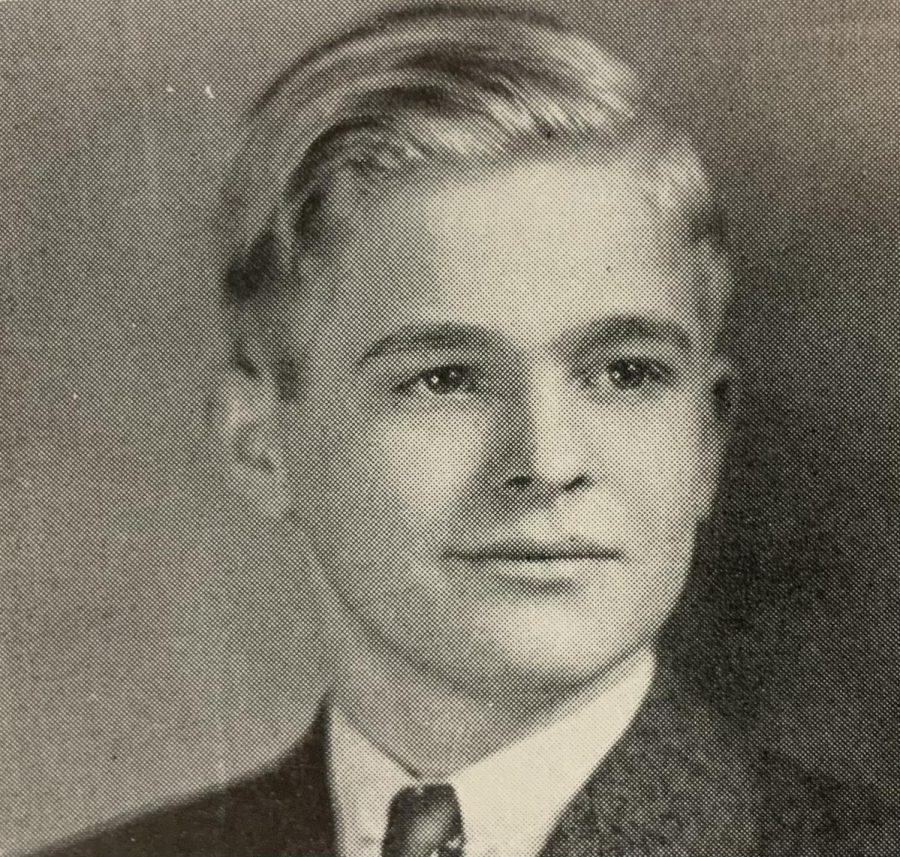
Read page 12 of the Fundamental Principles of the Xaverian Brothers and then read the biography of Br. Hugo Hammer, CFX (p. 125 and 126 in the Xaverian Menology)

(Above Hugo Hammer, CFX as a Senior at St. Xavier High School in Louisville, KY 1940)

By all accounts, Br. Hugo led a vigorous and active life! How do the spiritual recommendations on p. 12 of the Fundamental Principles direct us to intentionally reflective practices to sustain our energy in our lives that in their own way are just as busy as Br. Hugo was?

Deus Ex Machina

For the second week of the season, the first readings continue to come from an unknown author directed at the somewhat ambiguous audience in early Christianity known as “the Hebrews.” The Gospel readings during Ordinary Time are focused on Jesus and his actions and words, but mostly his actions, in the Gospel of Mark. There is also a reflection question based on documents from the Xaverian Brothers or from accounts of the lives of Xaverian Brothers or lay Partners in Mission. Please consider writing your own responses to the reflection questions below, or to reply to other peoples’ contributions. Also, if you know of a person, either religious or lay person, who has modeled the Xaverian way, and wish to share their story, please feel free to add to the comments section.

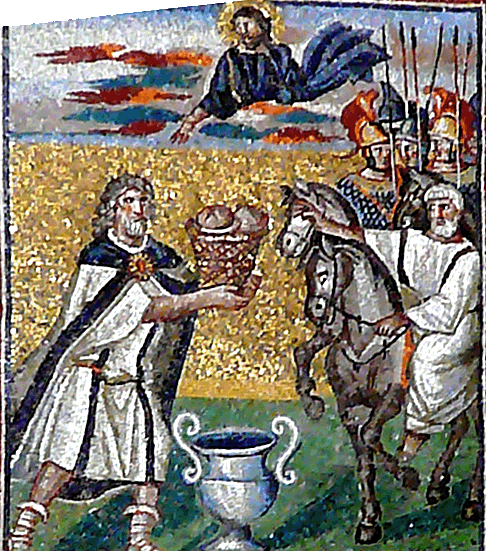
Here are the readings for Wednesday, January 22 from the Letter to the Hebrews and from the Gospel of Mark. (“The Sacrifice of Melchizedek” mosaic below from Santa Maria Maggiore)

Melchizedek is a mysterious figure, described as a priest, who appears suddenly to greet Abraham upon Abraham’s return from war. Melchizedek is described as a priest who offers bread and wine to the returning warriors as a symbol of blessing and more importantly, of peace. He arrives just at the right time to remind Abraham of that working for connection and peace through fidelity to a covenant can be more difficult than leaping into battle. Melchizedek represents a moment of grace in a time of chaos, which the author to the Hebrews recalls in proclaiming the person of Jesus Christ. Think about your own past week in Ordinary Time. When have you had the presence to intercede, however briefly, to remind yourself or others to create space for awareness amidst the chaos that life can bring?

Read page 11 of the Fundamental Principles of the Xaverian Brothers

(Above “Jesus heals the man with the withered hand” Dixie Stoddard Art)

In Mark, Jesus heals another man. Again, his adversaries are upset because the action does not fit to the established social structure or norms at the time. Why is such a big deal for the Pharisees? Because order and familiarity provide comfort, even if the situation is not altogether healthy for all involved. As a result, the Pharisees turn from spewing invective to actually plotting violence. Now read in light of the section on page 11 of the Fundamental Principles on those who are estranged from their own uniqueness. How do we approach, and perhaps confront, people who say or do hurtful things, while recognizing the place of pain or estrangement at the root cause of this behavior? How does a Xaverian missionary shine light on this darkness?

Feeling Sluggish?

For the second week of the season, the first readings continue to come from an unknown author directed at the somewhat ambiguous audience in early Christianity known as “the Hebrews.” The Gospel readings during Ordinary Time are focused on Jesus and his actions and words, but mostly his actions, in the Gospel of Mark. There is also a reflection question based on documents from the Xaverian Brothers or from accounts of the lives of Xaverian Brothers or lay Partners in Mission. Please consider writing your own responses to the reflection questions below, or to reply to other peoples’ contributions. Also, if you know of a person, either religious or lay person, who has modeled the Xaverian way, and wish to share their story, please feel free to add to the comments section.

Here are the readings for Tuesday, January 21 from the Letter to the Hebrews and from the Gospel of Mark. (“Father and son” painting below by Peter Brown)

This is Ordinary Time, both in the liturgical year and in secular life. It is natural to feel sluggish with no holiday or event immediately on the horizon. The two readings are an interesting juxtaposition between “sluggishness” and the “sabbath.” Reflect on a daily observance or ritual that helps you to connect, either with another person, or to God. It can be simple, but it must involve a degree of vulnerability or discomfort on your part.

Read page 7 of the Fundamental Principles of the Xaverian Brothers.

Next read the two tributes to the late Br. Bonaventure Scully, CFX.

https://www.xaverian.org/list-detail?pk=94828

https://news.nd.edu/news/in-memoriam-brother-bonaventure-scully-cfx-former-rector-of-keenan-hall/

Settings change as do circumstances even if a person or community is confident in knowing their mission and beliefs. When one moves from a familiar place to somewhere new, it can be frightening and disorienting. Reflect on how Br. Bonaventure reflected the Charism expressed in the Fundamental Principles through the different journeys his life took him.

(photo above of Br. Bonaventure Scully, CFX)