Sunday, March 9-The First Sunday of Lent

No evil shall befall you,
            nor shall affliction come near your tent,
For to his angels he has given command about you,
            that they guard you in all your ways.
Upon their hands they shall bear you up,
            lest you dash your foot against a stone.
You shall tread upon the asp and the viper;
            you shall trample down the lion and the dragon.

Psalm 91: 10-13

(Christ in the desert by Nicholas Roerich)

In helping people becoming the best version of ourselves, are we better at helping others than we are ourselves? It is hard to know the way forward when we are unaware of what we are doing and the motives behind our choices, even with supposedly altruistic actions. In a way, Jesus’ 40 days of fasting and solitude was preparation not just for overcoming temptation, but for the awareness to recognize the difference between temptation and actual self-care and connection. When we give of ourselves unselfishly, can we recognize the action simply for what it is and be open to the grace that appears, not as a reward, recognition, or affirmation from others, but simply in the action of giving?

Remember,
Jesus, your brother,
has walked this path before you.
In you,

as Risen Lord,
He wants to walk this path again,
and His Spirit, the Spirit of God,
now guides you.

– The Fundamental Principles of the Xaverian Brothers

God, give me the humility to accept that I am loved in spite of my actions or the masks that I wear. When I say “in spite of myself”, remind me that “myself” is full of your graced being and longs for connection. Give me insight and foresight to appreciate how loved I am, even when I find myself alone and afraid.

Amen

Don’t Miss the Eternal Encounters Right Now

Today is the last day of this cycle of Ordinary Time. Tomorrow, the season of Lent commences with the observance of Ash Wednesday. That will be tomorrow. Let us not forget the grace filled ordinariness of today. The readings today suggest wisdom and happiness occur when we place ourselves and our hearts in service of God and those we meet on our mundane day to day encounters. Giving oneself away is indeed a gift.

Next week this platform will offer prayers and meditations on the daily readings and spiritual practices for use during the season of Lent. Much gratitude for everyone who viewed, read, or commented on this blog during the season of Ordinary Time.

Here are the readings for Tuesday, March 4 from the Book of Sirach and the Gospel of Mark.

(painting above “Suffer little Children to Come to Me” by Rembrandt)

Read pages 24 and 25 of the Xaverian Charism Project of the Xaverian Brothers.

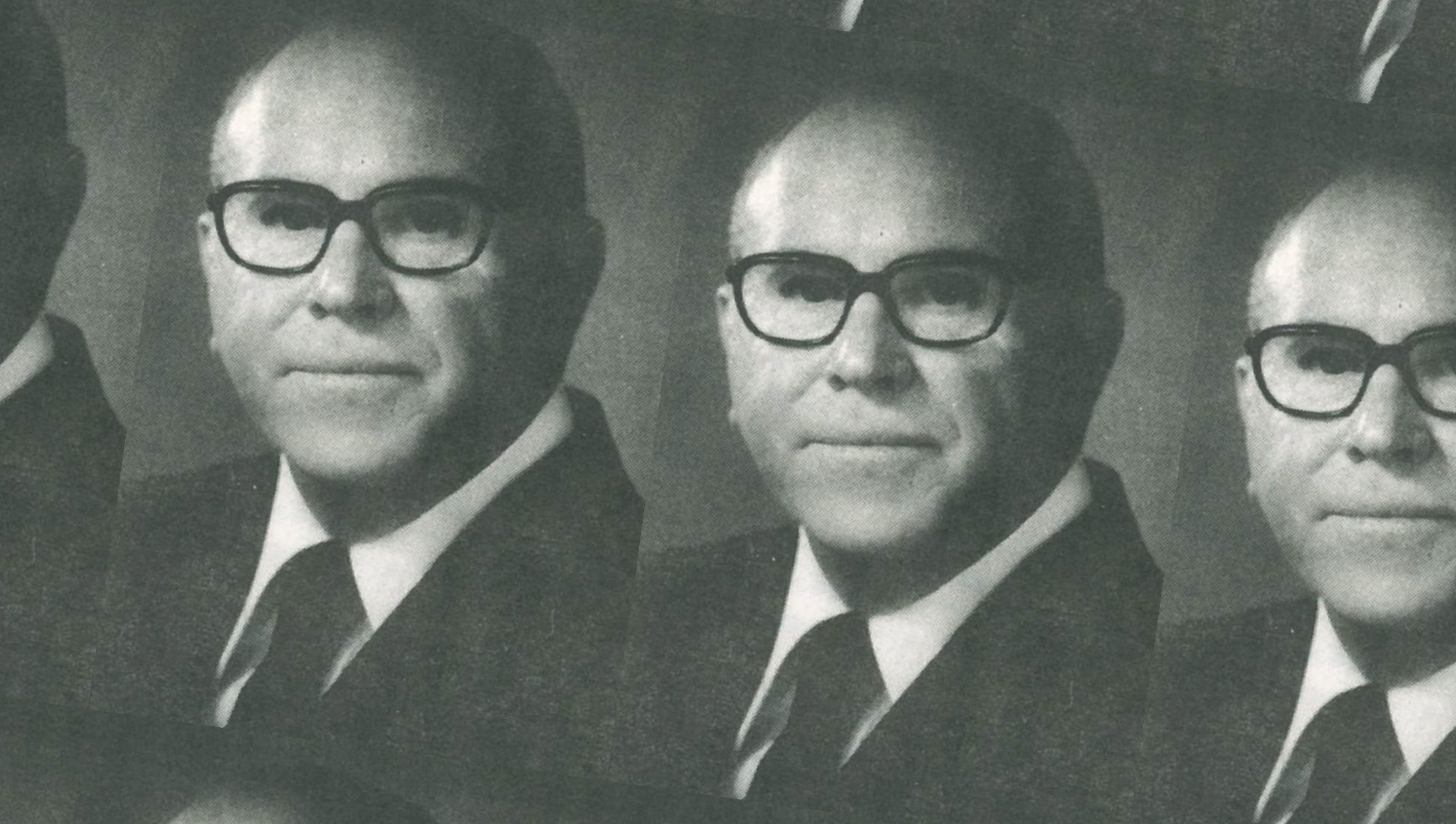
Read the obituary for Brother Carlos Magruder, CFX on pages 562 and 563 of the Xaverian Menology.


(Above photo of Brother Carlos Magruder CFX from”The Tower”-Mount Saint Joseph High School yearbook)

  1. The words in the Book of Sirach and Jesus’ plea in the Gospel of Mark reflect the call not just to patience and temperance, but finding joy in one’s place even if we feel we are not moving ahead as we feel we should. How does the phrase “the last shall be first” translate into day to day living, and not just an eschatological expectation for after we die?
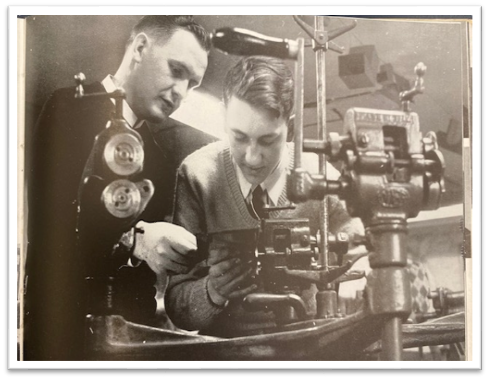
  2. Consider the career path of Br. Carlos Magruder. He clearly didn’t stand still and was active until he was very old. Yet how did he still model this disposition of turning towards God and being open to the presence of God wherever he was and whatever he was doing?

A Thousand Acquaintances

In the Seventh Week of Ordinary Time, the first readings shift to meditations from the Book of Sirach on wisdom and on the mysterious Wisdom that is God, spoken in gentle but firm parlance of a parent passing on advice to a child, especially one going through transitions in growth or into adulthood. In the Gospel, Jesus reveals to his friends and the crowds about what it means to be fully human, which is to embrace the joy of emptying oneself of the pretenses of status caused by well-meaning but distracting ambition.

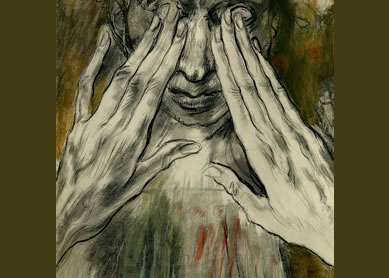
Do we need to be put in our place before we can trust God and our loved ones? Consider the role of humility and vulnerability needed to open ourselves to others as we truly are. How do the Scripture passages caution us about the sometimes insidious nature of the human condition and how we can betray those we profess to love or respect?

Here are the readings for Friday, February 28 from the Book of Sirach and from the Gospel of Mark.

(Painting above “Shapes of Fear” by Maynard Dixon)

Read pages 20 and 21 of the Xaverian Charism Project of the Xaverian Brothers.

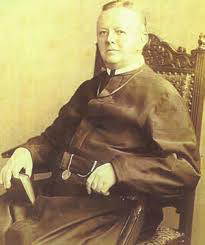
(Above photo of Brother Alexius Vanderwee, CFX: First Provincial in the United States-Xaverian Brothers)

  1. The Scriptures reveal some difficult truths about the selfishness that may lie dormant in us. In reading these passages, especially from Sirach, how do you process when these tendencies arise in you, and how do you respond?
  2. Take some time to read about the counter-cultural nature of the “ordinary” in the Xaverian Charism Project. Why is such a simple term so hard to embrace, even for a prayerful person?
  3. Why did Ruusbroec and Ryken believe there was hope for people to recognize the “ordinary” in their journeys in life?

Delay Not

In the Seventh Week of Ordinary Time, the first readings shift to meditations from the Book of Sirach on wisdom and on the mysterious Wisdom that is God, spoken in gentle but firm parlance of a parent passing on advice to a child, especially one going through transitions in growth or into adulthood. In the Gospel, Jesus reveals to his friends and the crowds about what it means to be fully human, which is to embrace the joy of emptying oneself of the pretenses of status caused by well-meaning but distracting ambition.

Today’s readings show us that wisdom is a gift that is not necessarily convenient. Perhaps the expression “come to Jesus meeting” takes inspiration from today’s Gospel. As alluded to in the Xaverian Charism Project, when we experience conversion, we are turning towards something more than we are turning away from something else.

Here are the readings for Thursday, February 27 from the Book of Sirach and from the Gospel of Mark.

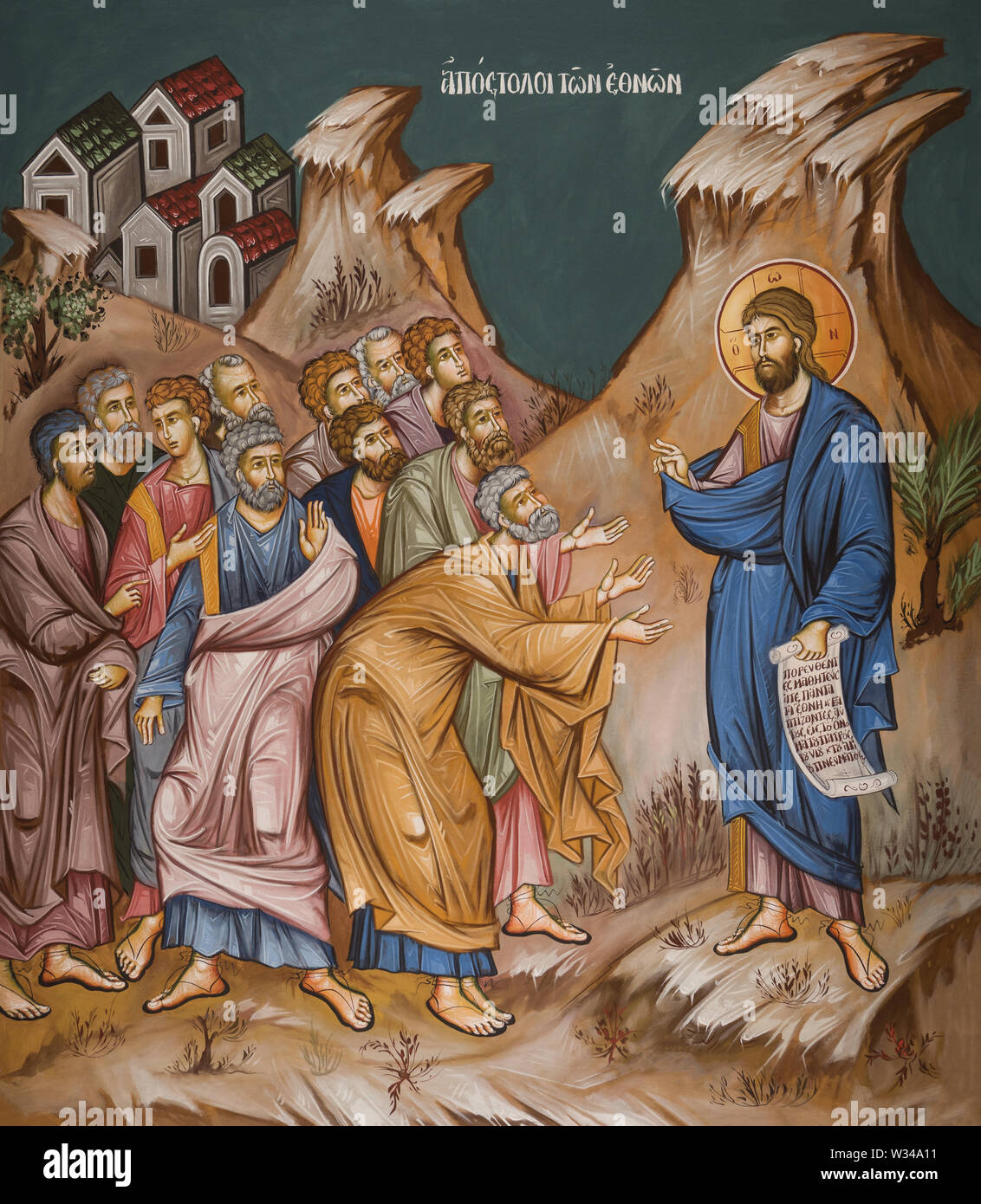
(Orthodox image above of “Jesus Teaching His Disciples” Jaroslav Girovysky/Alamy Stock Photo)

Read page 20 of the Xaverian Charism Project of the Xaverian Brothers.

Read the biography of Brother Talbot McSharry, CFX.

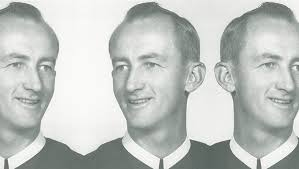
(Above photo of Brother Talbot McSharry, CFX-Xaverian Brothers)

  1. Reflect on the images and phrases in both of today’s readings. How do they make you feel? Why are they written in a style that is anything but gentle?
  2. In the Xaverian Charism project, the author refers to a “simple intention.” How does this phrase remind us that “simple” does not mean “easy”?
  3. Last night I attended a dinner for graduates of Mount Saint Joseph High School, mostly from the 1950’s and early 1960’s. I asked one gentleman to name some of his favorite Xaverian Brothers. His face brightened when he said-“I really liked Brother Talbot!” Brother Talbot did not have an easy life, but as demonstrated from my interaction and from the testimony of other former students, he had a memorable life. Reflect on how he pursued the “simple intention” and “turned toward the ordinary.”

Without Constraints

During the sixth week in Ordinary Time, in the Book of Genesis, time and time again human beings turn inward to their selfish desires or act destructively out of fear, perpetuating a cycle of isolation from love and friendship. In the Gospel of Mark, Jesus seems to be almost physically shaking his friends and would be disciples out of their slumber and to open their eyes to what they are missing right in front of them.

As this week in Ordinary Time comes to a close, we reflect on both the mercy of God and on the nature of deep sharing in our lived experiences of experiencing God. How does affirmation of others, free of guile or self-interest, help reveal the presence of God in our midst and in the ordinary moments of a day?

Here are the readings for Saturday, February 22 from the First Letter of Peter and from the Gospel of Matthew.

(Painting above of “St. Peter’s Rescue from the Lake of Galilee” by Herbert Bokls)

Read page 8 of the Fundamental Principles of the Xaverian Brothers.

Read the biography of Br. Bartholomew Varden, CFX.

(Above photo of Brother Bartholomew Varden, CFX-Xaverian Brothers)

  1. How does the passage from 1 Peter apply to leaders who aim to model the Xaverian value of Trust?
  2. Jesus showed considerable trust in Peter, even though Peter had let Jesus down before and would do so again, and under more serious circumstances. What does Jesus’ message to Peter reveal about the nature of God and God’s relationship with human beings?
  3. What gave Brother Bartholomew the energy to accomplish what he did in his ministries? What did his fellow Xaverian Brothers say about his demeanor as well as his achievements?

I Know Talent

During the sixth week in Ordinary Time, in the Book of Genesis, time and time again human beings turn inward to their selfish desires or act destructively out of fear, perpetuating a cycle of isolation from love and friendship. In the Gospel of Mark, Jesus seems to be almost physically shaking his friends and would be disciples out of their slumber and to open their eyes to what they are missing right in front of them.

Human achievement can be sign of joy and solidarity. When done with a generous heart, labor and sacrifice can produce incredible things that can sustain and improve peoples’ lives. Compare the motives of the people who build the tower in Genesis with the type of heart that Jesus insists for his disciples. How do the Fundamental Principles support Jesus’ message of both the challenges and the joys of giving oneself away?

Here are the readings for Friday, February 21 from the Book of Genesis and from the Gospel of Mark.

(Painting above of “The Tower of Babel” by Peter Bruegel the Elder)

Read pages 3 and 5 of the Fundamental Principles of the Xaverian Brothers.

Read the biography of Br. Philip Dougherty, CFX on pages 41-42 in the Xaverian Menology.

(Above photo of Brother Philip Dougherty, CFX, his senior year at Mount Saint Joseph High School in 1933-“The Collegian” yearbook)

  1. In the community of Xaverian Brothers, Associates, and Partners in Mission, we reflect on how the Holy Spirit may be calling us to do or be something new. How did Br. Philip embody this spirit of renewal in his leadership roles?
  2. How did Jesus allude to the lessons from the Tower of Babel to the people in the crowd?
  3. Jesus preached a counter-cultural message when he implored his followers to take up their cross. It suggests that discipleship can come as a burden. Is it a burden or a challenge about what is necessary for positive change in the world? How does Jesus’ message resonate with the message from the Fundamental Principles about what it takes to achieve anything special (see page 3)?

Paved With Good Intentions

During the sixth week in Ordinary Time, in the Book of Genesis, time and time again human beings turn inward to their selfish desires or act destructively out of fear, perpetuating a cycle of isolation from love and friendship. In the Gospel of Mark, Jesus seems to be almost physically shaking his friends and would be disciples out of their slumber and to open their eyes to what they are missing right in front of them.

Today we hear hopeful reminders about the innate goodness of humans and God’s very essence as self-giving, connected together by a covenant promise. In the Gospel of Mark, Peter fails to connect the notion that we most authentically share our goodness through openness to others’ needs and through acts of self-sacrifice. Poor Peter, he had the best of intentions, like all of us. At the same time, one cannot blame Jesus for losing his temper, much like a beleaguered teacher who has explained the same concept over and over again to a class that will not internalize the message because they are too distracted.

Here are the readings for Thursday, February 20 from the Book of Genesis and from the Gospel of Mark.

(Image above from Little Life Designs)

Read page 19 in the Xaverian Charism Project.

Read the biography of Br. Charles Moran, CFX on pages 478-479 in the Xaverian Menology.

(Above photo of Brother Charles (Timon) Moran, CFX, Xaverian Brothers)

  1. Think of time in which you thought you were being helpful to someone and you said the wrong comment or did the wrong action instead. When did you recognize your error? Did it change you at all?
  2. Brother Charlie created an extraordinary opportunity for young people to experience the Xaverian Charism beyond the classroom which has since produced generations of Xaverian partners in mission. How did he witness to the power of the “ordinary” that is shared in the Xaverian Charism Project?
  3. As you read the text in the Xaverian Charism Project, reflect on Ruusbroec’s thoughts on the “common good” and on humanity’s chance to “come back home.” How can those phrases have meaning for us in our highly structured and often repetitive days?

This Way

During the sixth week in Ordinary Time, in the Book of Genesis, time and time again human beings turn inward to their selfish desires or act destructively out of fear, perpetuating a cycle of isolation from love and friendship. In the Gospel of Mark, Jesus seems to be almost physically shaking his friends and would be disciples out of their slumber and to open their eyes to what they are missing right in front of them.

The tone of the readings for today are optimistic. In each one, a human is given a new start and direction. It is a reminder of both our own human freedom and capacities, but also the need for connection and relationships to unleash our freedom. Is it grace when humans find themselves redirected and seeing what is real for what seems like the first time?

Here are the readings for Wednesday, February 19 from the Book of Genesis and from the Gospel of Mark.

(“Healing a Blind Man” by Eduourd Léon Edy-Legrand)

Read page 19 in the Xaverian Charism Project.

Read the biography of Br. John Wills, CFX on pages 468-470 in the Xaverian Menology.

(Above photo of Brother John Henry “Alberic” Wills, CFX-St. Xavier High School)

  1. The narrative in Genesis in which Noah steps onto dry land contains the emotions of a heartfelt reunion. How does the passage remind us of the power of forgiveness, both for the one forgiven and the one who does the forgiving?
  2. The Scripture readings today evoke images of sight and redirection. How did Brother John Wills guide his students, including those he never saw in a classroom?
  3. If you read the italicized paragraph at the top of page 19 of the Xaverian Charism Project, there is a meditation on finding “ordinary ground” followed by a statement in bold about what constitutes “ordinary.” How do the Scriptures for today echo the themes of “ordinary” as applied to the relationship between humans and God?

Vulnerability or Shame?

During the fifth week in Ordinary Time, first readings shift to the creation stories in Genesis, while the Gospel readings continue to follow the actions, prayerful pauses, and corrections performed by Jesus in the Gospel of Mark. These readings reflect on God’s love in action, specifically creation, and how these creative powers establish connections with us, made in God’s image. Conversely, the Scripture confirms our all too human tendency to disconnect from God and our truest selves. Yet God continues to reach out and be right in our midst, gently calling us to turn around and embrace what is real and holy.

Think about when you have really messed something up. Was it handled quietly or did you find yourself exposed, there alone to face your shame? Similarly, have you ever been in a difficult situation in which you really needed help, but were afraid to ask? How can we be open to the discomfort of being vulnerable so that we can be free from the burdens of shame?

Here are the readings for Friday, February 14 from the Book of Genesis and from the Gospel of Mark.

(Painting above of “Adam and Eve” by Marc Chagall)

Read “A Description of the Xaverian Charism as Lived by Collaborators.”

Read the appreciation of Brother David Eddy, CFX.

(Above photo of Brother David Eddy, CFX-Xaverian Brothers)

  1. How do we better “mutually help, encourage, and edify” one another? What kind of awareness do we need to possess to succeed in this task?
  2. How can we best use the spaces in our day, including the dull or boring parts, to seek this kind of awareness?
  3. It is often said that the “devil is in the details,” meaning if one doesn’t pay attention to the little things a great plan can go awry. Where have you seen or heard about an action in which the attention to details were made sacred?
  4. How does the story of Br. David Eddy’s life demonstrate how we cannot measure the impact of a person’s vocation based on fame or recognition?

Please consider writing your own responses to the readings or reflection questions below, or to reply to other peoples’ contributions. Also, if you know of a person, either religious or lay person, who has modeled the Xaverian way, and wish to share their story, please feel free to add to the comments section. 

Business but Unusual

During the fifth week in Ordinary Time, first readings shift to the creation stories in Genesis, while the Gospel readings continue to follow the actions, prayerful pauses, and corrections performed by Jesus in the Gospel of Mark. These readings reflect on God’s love in action, specifically creation, and how these creative powers establish connections with us, made in God’s image. Conversely, the Scripture confirms our all too human tendency to disconnect from God and our truest selves. Yet God continues to reach out and be right in our midst, gently calling us to turn around and embrace what is real and holy.

Trust in God’s presence and goodness radiate through today’s readings in Genesis and Mark. In the Charism statement, we are invited to affirm the call to self-giving, and to be open to how to share our gifts according to the signs of the times.

Here are the readings for Thursday, February 13 from the Book of Genesis and from the Gospel of Mark.

(Painting above of “The Syro-Phoenician Woman” by Michael Cook)

Read “A Description of the Xaverian Charism as Lived by Collaborators”, especially page 2.

Read the appreciation of Brother Conrad Callahan, CFX on p. 672 and 673 of the Xaverian Menology

(Above photo of Brother Conrad Callahan, CFX-Xaverian Brothers, St. Xavier High School, Louisville, KY)

  1. Brother Conrad was described in the text above and by people who knew him as “all business.” Yet he was also known by these same people as a compassionate soul. How do these seemingly divergent dispositions reflect the reality of the Xaverian charism in a person’s daily interactions with other people?
  2. Brother Conrad held multiple formal leadership positions. His discernment of his vocation led him to make a counter-cultural decision at the height of his influence as a head of school. How does this decision indicate how seriously he took the Value of Trust? How did this appreciation for trust sustain him later in life?
  3. How can lay people follow Brother Conrad’s example in our decisions that reflect the calls outlined in the Charism statement?

Please consider writing your own responses to the readings or reflection questions below, or to reply to other peoples’ contributions. Also, if you know of a person, either religious or lay person, who has modeled the Xaverian way, and wish to share their story, please feel free to add to the comments section.