Vulnerable Enough for Joy

As we begin the liturgical season of Ordinary Time in the Christian tradition, we are invited to reflect on the daily readings. For this first week of the season, the first readings come from an unknown author directed at the somewhat ambiguous audience in early Christianity known as “the Hebrews.” The Gospel readings during Ordinary Time are focused on Jesus and his actions and words, but mostly his actions, in the Gospel of Mark. There is also a reflection question based on documents from the Xaverian Brothers or from accounts of the lives of Xaverian Brothers or lay Partners in Mission. Please consider writing your own responses to the reflection questions below, or to reply to other peoples’ contributions.

Here are the readings for Saturday, January 18 from the Letter to the Hebrews and from the Gospel of Mark.

(painting below of “The Call of Levi” by Caravaggio)

  1. Today’s reading from the Hebrews focuses on the need to be vulnerable as Jesus did. The term “vulnerable” has become popular as a synonym for “authentic”, but there is more to it than that. Why is vulnerability such an essential part of following Jesus’ mission?
  2. In the passage from Mark, Jesus uses the dinner table as an image for his vision of the Kingdom of God. When Jesus makes the remark about the sick to the Pharisees, how is Jesus actually doing his adversaries a favor and helping them by calling them out publicly in this setting?

Read pages 7 and 8 from the Fundamental Principles of the Xaverian Brothers.

1. Ryken’s inspiration and vision came from a belief that his faith journey could not occur without other people. This was true for practical purposes but also spiritual purposes. What do you think Ryken had in mind for a greater connection with Jesus when he envisioned the Xaverian way to be a “band of brothers (and sisters)”?

2. Consider reading the obituary of Br. Brian Vetter. Reflect on the ways in which he experienced joy and fulfillment by being open to each uncomfortable new calling.

(Photo above of Br. Brian Vetter, CFX)
Rest Easy?

As we begin the liturgical season of Ordinary Time in the Christian tradition, we are invited to reflect on the daily readings. For this first week of the season, the first readings come from an unknown author directed at the somewhat ambiguous audience in early Christianity known as “the Hebrews.” The Gospel readings during Ordinary Time are focused on Jesus and his actions and words, but mostly his actions, in the Gospel of Mark. There is also a reflection question based on documents from the Xaverian Brothers or from accounts of the lives of Xaverian Brothers or lay Partners in Mission. Please consider writing your own responses to the reflection questions below, or to reply to other peoples’ contributions.

Here are the readings for Friday, January 17 from the Letter to the Hebrews and from the Gospel of Mark.

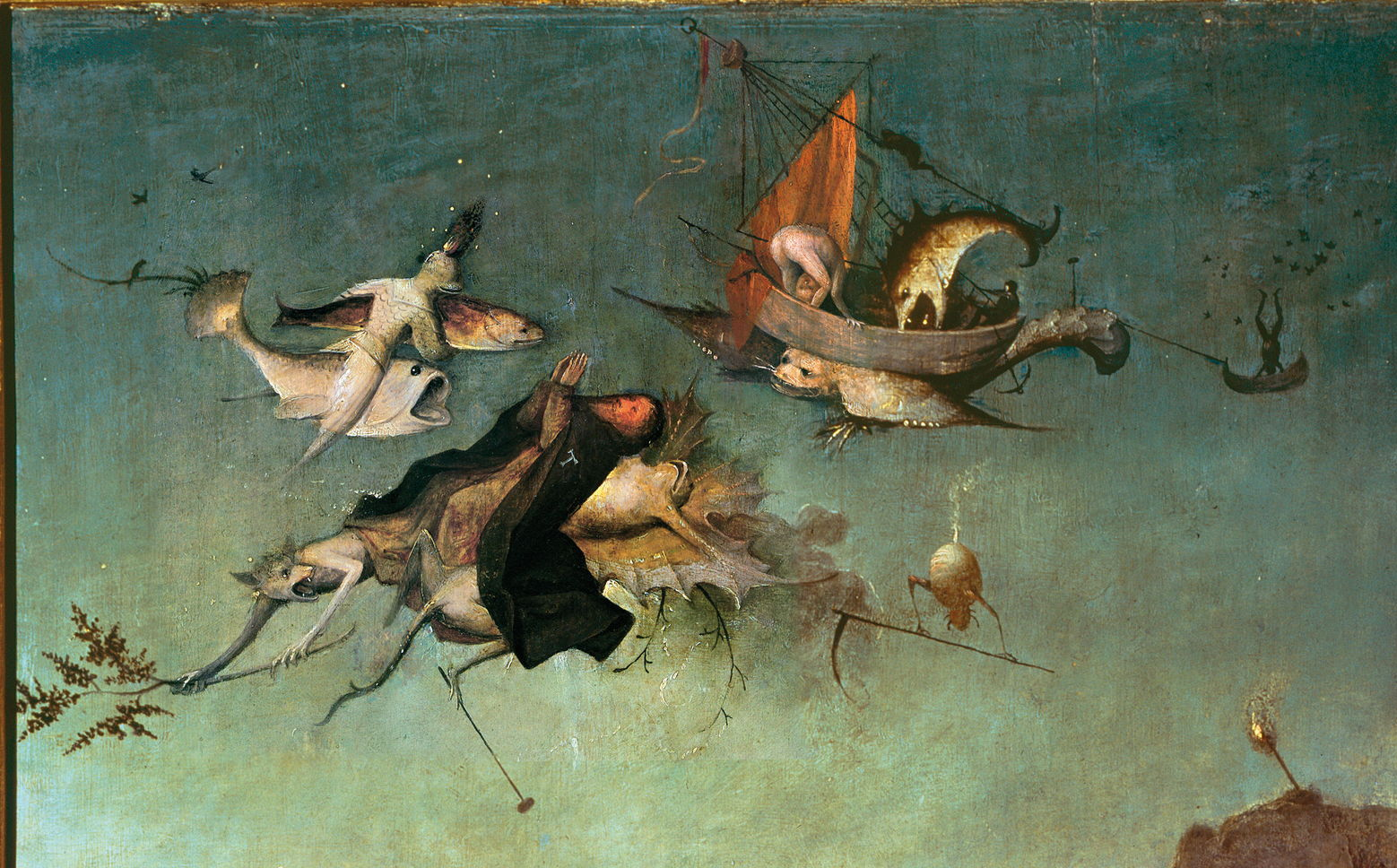
(painting below of “The Temptation of St. Anthony” by Hieronymus Bosch)

  1. The author to the Hebrews is full of concern about the peoples’ failure to observe the Sabbath, or to rest. Why is this a temptation today as much as it was 2000 years ago?
  2. Meditate on Jesus’ comment to his detractors-“which is easier to say-your sins or forgiven or to say get up and walk.” The Pharisees think they know why it is easier to say get up and walk, but what is Jesus really challenging them and us to consider?

Read page 6 from the Fundamental Principles of the Xaverian Brothers.

Conversion is a tricky term to apply to people, because it suggests immediate transformation. How does the author of the Fundamental Principles concur with the author to the Hebrews about pauses, sabbaths, or space in the day as necessary for that conversion to take place?

(Photo above of Br. Cornelius Hubbuch, CFX, and friends)

Of Angels and Boredom

As we begin the liturgical season of Ordinary Time in the Christian tradition, we are invited to reflect on the daily readings. For this first week of the season, the first readings come from an unknown author directed at the somewhat ambiguous audience in early Christianity known as “the Hebrews.” The Gospel readings during Ordinary Time are focused on Jesus and his actions and words, but mostly his actions, in the Gospel of Mark. Please consider writing your own responses to the reflection questions below, or to reply to other peoples’ contributions.

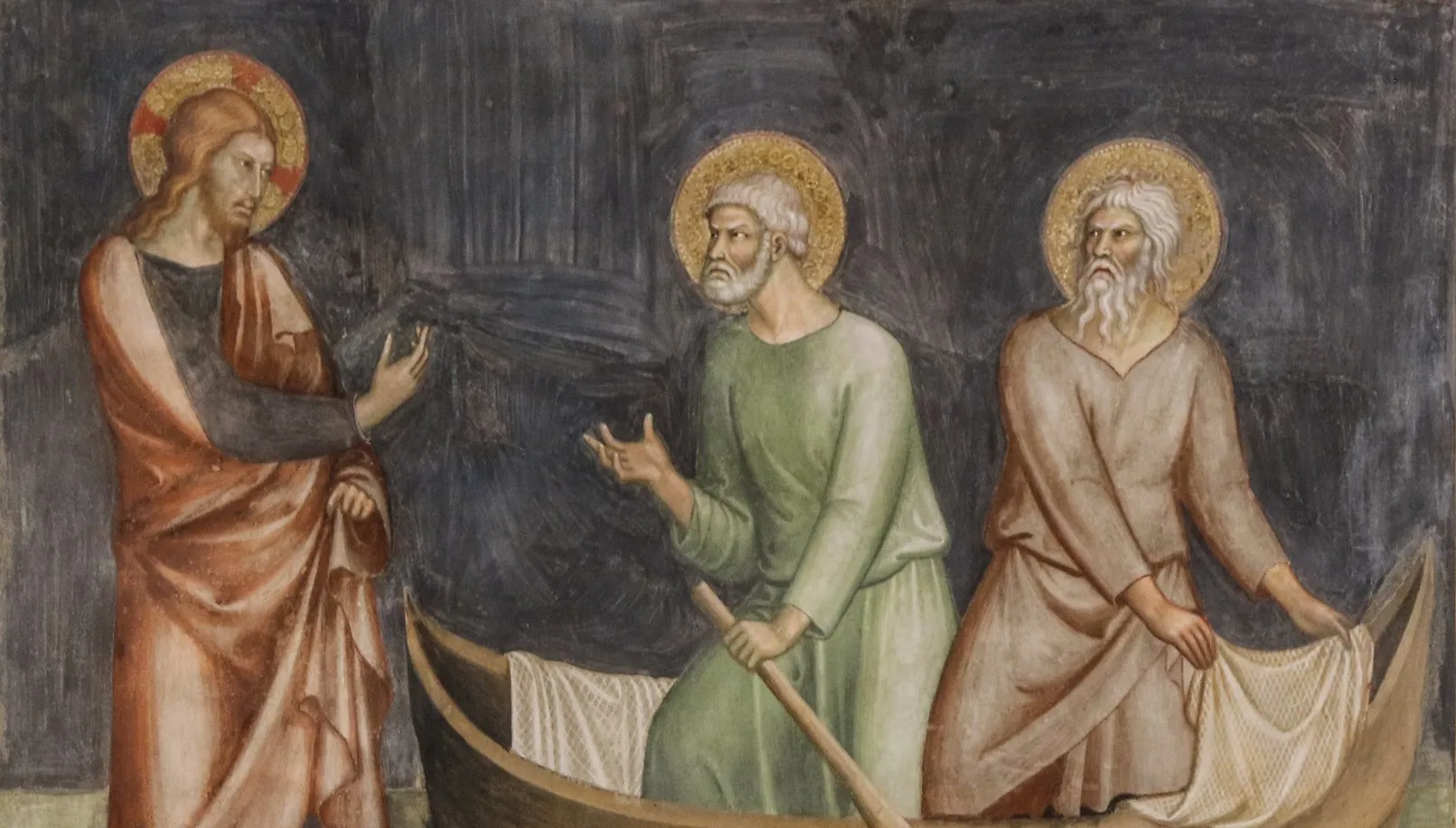
Today, consider the readings for Monday, January 13, 2025 from the Letter to the Hebrews and from the Gospel of Mark. (fresco below by Masaccio)

  1. In the letter to the Hebrews, why is the author comparing Jesus to angels? What is the author trying to say not only about Jesus but about human beings and our own worth?
  2. From the Gospel of Mark, a potential hot take-did Peter, Andrew, James and John follow Jesus in part because they were bored and were sick and tired of smelling like old fish and brine? Is there anything wrong with that, or with making positive choices that begin from less than selfless motives?

Next, read the first two pages of the Fundamental Principles of the Xaverian Brothers.

The author writes about the concept of freedom. How might God’s conception of our freedom differ from our own notions of being free in daily life?