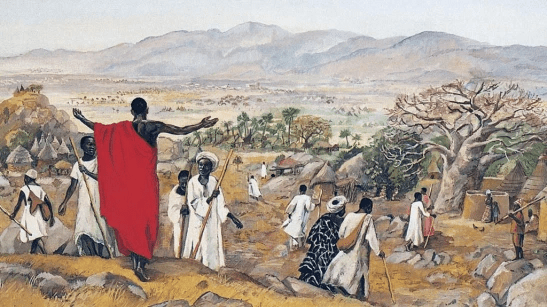
Tell Tale

During the fifth week in Ordinary Time, first readings shift to the creation stories in Genesis, while the Gospel readings continue to follow the actions, prayerful pauses, and corrections performed by Jesus in the Gospel of Mark. These readings reflect on God’s love in action, specifically creation, and how these creative powers establish connections with us, made in God’s image. Conversely, the Scripture confirms our all too human tendency to disconnect from God and our truest selves. Yet God continues to reach out and be right in our midst, gently calling us to turn around and embrace what is real and holy.

We have been reflecting on the Xaverian value of Trust over the course of the season of Ordinary Time. The beauty of the Xaverian values is that they never exist in isolation. Each one invites us to connect to another value, and to experience how all five in concert can lead us to experiences of the Spirit. Trust is possible through a deep openness to Humility, where we are made aware of our own poverty of spirit and need for repentance. The conclusion of today’s reading in Genesis contains a reminder of how important humility is in our relationships and decisions. In the Gospel of Mark, Jesus uses earthy metaphors to get his point across about how trust and humility come together to animate yet another value, that of Compassion, or the heart moving in action for others. The featured Xaverian today is Brother Dominic O’Connell, CFX, former Provincial and the first Principal at Mount Saint Joseph High School in Baltimore. As you read the rich and sometimes blunt biography of this man written by Br. James Kelly, consider how Jesus’ image of the heart was present in the life and times of Brother Dominic. Dominic experienced no shortage of humbling times or of being put in his place. Nevertheless, consider how his belief in the power of relationships gave life to the words in the Fundamental Principles, which Br. James weaves beautifully through the text of his account of Br. Dominic’s life and times.

Here are the readings for Wednesday, February 12 from the Book of Genesis and from the Gospel of Mark.

(Painting above of “The Tree of Knowledge of Good and Evil” by Laura Sofer)

Read the reflection on the life of Brother Dominic O’Connell, CFX
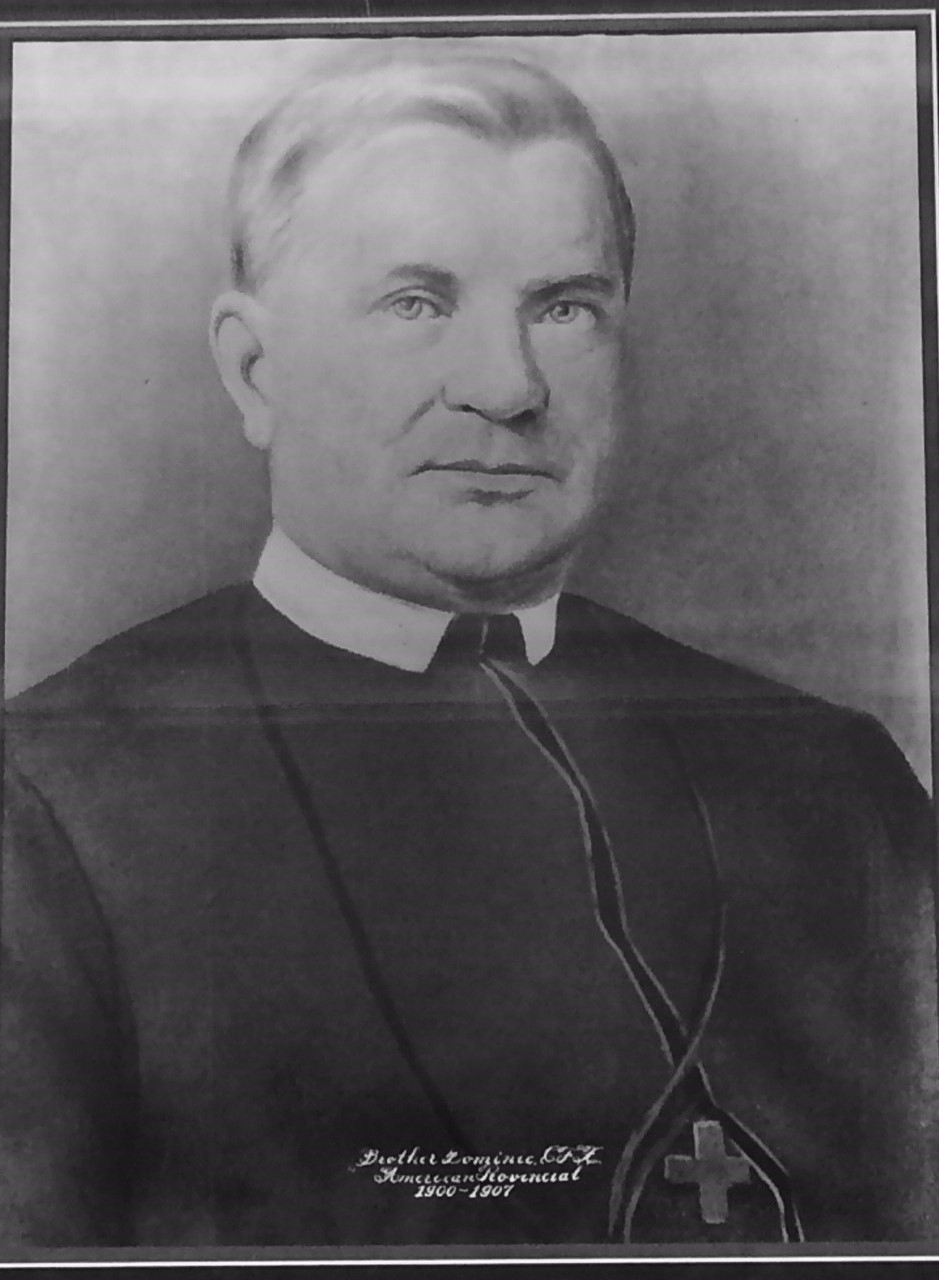
(Above photo of Brother Dominic O’Connell, CFX-Xaverian Brothers, Mount Saint Joseph High School)

  1. What is the message of humility embedded in the conclusion of the creation story in Genesis? Where can this be challenging for us in day to day choices?
  2. In the Gospel, Jesus asks people to rethink their understanding of the sources of sin and evil. What was their mistake, even if it was well meaning? How can we be prone to make similar mistakes of judgment regarding the people we encounter?
  3. Br. Dominic was known as a man with a great heart. How did his compassion get him into trouble, and what did this reveal about his priorities as a leader?

Please consider writing your own responses to the readings or reflection questions below, or to reply to other peoples’ contributions. Also, if you know of a person, either religious or lay person, who has modeled the Xaverian way, and wish to share their story, please feel free to add to the comments section. 
How Good that it Was

During the fifth week in Ordinary Time, first readings shift to the creation stories in Genesis, while the Gospel readings continue to follow the actions, prayerful pauses, and corrections performed by Jesus in the Gospel of Mark. These readings reflect on God’s love in action, specifically creation, and how these creative powers establish connections with us, made in God’s image. Conversely, the Scripture confirms our all too human tendency to disconnect from God and our truest selves. Yet God continues to reach out and be right in our midst, gently calling us to turn around and embrace what is real and holy.

Acts of creation and healing are prominent in today’s readings. Consider the connection between creation and healing, and how in our moments of contemplation, sometimes brief moments, we can be aware of the opportunities for each on a typical day and in familiar settings.

Here are the readings for Monday, February 10 from the Book of Genesis and from the Gospel of Mark.

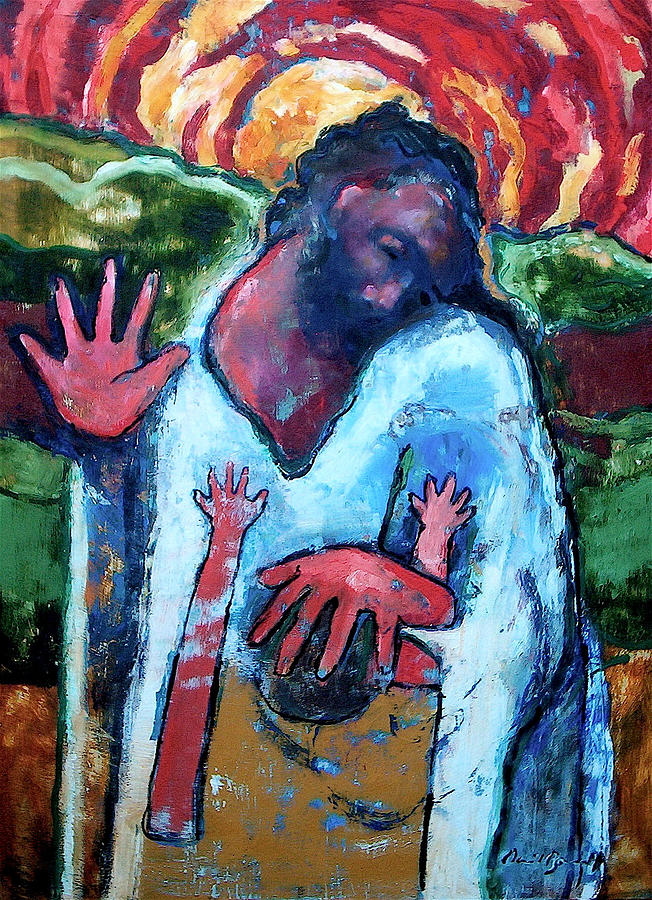
(Painting above of “The Healing of a Child” by Daniel Bonnell)

Reflect on page 7 of the Fundamental Principles of the Xaverian Brothers.

Read the obituary of Brother John Lesica, CFX on pages 92-93 of the Xaverian Menology.

  1. Brother John Lesica served in multiple positions of official leadership in Xaverian schools and for his order’s community. How did he develop both religious and lay persons to prepare them for leadership and to share their gifts?
  2. How do Jesus’ healings in Mark reflect the final paragraph on page 7 of the Fundamental Principles that calls us to “…a true mutual sharing with your brothers and sisters…” and “a ready acceptance of each of them in all their sinful and graced humanity”?

(Above photo of Brother John Lesica, CFX-In Memoriam, St. Joe Prep Class of 1960)

Please consider writing your own responses to the readings or reflection questions below, or to reply to other peoples’ contributions. Also, if you know of a person, either religious or lay person, who has modeled the Xaverian way, and wish to share their story, please feel free to add to the comments section. 
Angels in the Architecture

During the fourth week of Ordinary Time, the readings continue to reflect the themes of encouragement to faith communities and challenges to embrace what is new so that we may maintain what is sacred. Being open to the presence of God in uncertain times figure prominently. Please consider writing your own responses to the readings or reflection questions below, or to reply to other peoples’ contributions. Also, if you know of a person, either religious or lay person, who has modeled the Xaverian way, and wish to share their story, please feel free to add to the comments section. 

Hospitality, because it is a practice that invites connection, is a disposition that helps remind us of the presence of God in our midst. Being open to others requires us to be present, and to drop our pretenses. We may be inspired by God to build structures and inspire crowds, but we should never underestimate the power in giving our undivided attention to the people in our midst, including those we do not know well. The Letter to the Hebrews underscores this point with the famous quote about having “unknowingly entertained angels.” In the Xaverian tradition there have been many powerful witnesses to this underrated skill, including lay women and men. They have and continue to demonstrate the lasting connections that can take place when we have the will to stop and be available, fully present to those we are blessed to encounter in our daily walks of life.

(Painting below of “Abraham’s Hospitality” by Marc Chagall)

Here are the readings for Friday, February 7 from the Letter to the Hebrews and the Gospel of Mark.

Reflect on pages 10 and 11 of the Fundamental Principles of the Xaverian Brothers.

(Photo below of Rev. Mother Facundina, staff member at Mount Saint Joseph High School, with tribute from the 1960 yearbook, The Tower)

(Above photo of Mrs. Judy Byron, Mount Saint Joseph High School Library 1987-2018)

Today we feature two powerful witnesses to the Xaverian way who worked at Mount Saint Joseph High School-Rev. Mother Facundina and Mrs. Judy Byron. They worked alongside Xaverian Brothers and lay faculty providing extraordinary care and service to the students who walked the halls or entered the library. We invite you to read the tribute to Mother Facunida from the 1960 MSJ yearbook shown above. In the 2018 yearbook, dedicated to Mrs. Byron, she was remembered as “a faithful, steadfast, and compassionate member of our school community, who for decades has arrived early and stayed late at our library to serve and minister to literally thousands of young men during their time at the Mount.” As we read the passages from the Scriptures and the Fundamental Principles, consider how the lives of these exceptional women perpetuated the Xaverian Charism we are called to embrace.

    Forward

    During the fourth week of Ordinary Time, the readings continue to reflect the themes of encouragement to faith communities and challenges to embrace what is new so that we may maintain what is sacred. Being open to the presence of God in uncertain times figure prominently. Please consider writing your own responses to the readings or reflection questions below, or to reply to other peoples’ contributions. Also, if you know of a person, either religious or lay person, who has modeled the Xaverian way, and wish to share their story, please feel free to add to the comments section. 

    In the Letter to the Hebrews, the author reminds the audience of the men and women of faith who blazed a trail of commitment over time so that new believers could have the opportunity to be transformed and share the Good News. These trailblazers include the Twelve Apostles, who in their imperfect ways, were animated to embrace to the best versions of themselves with the people that they encountered. Today we also feature a great American trailblazer of faith, Brother Isidore Kuppel. His zeal for innovation and leadership inspired generations of people to fall in love with God and the Xaverian way.

    (Painting below of Jesus sending out the Twelve)

    Here are the readings for Thursday, February 6 from the Letter to the Hebrews and the Gospel of Mark.

    Reflect on pages 4 and 5 of the Fundamental Principles of the Xaverian Brothers.

    (Above photo of Brother Isidore Kuppel, CFX-Xaverian Brothers)

    1. Consider the language in the Letter to the Hebrews, the Gospel of Mark, and the Fundamental Principles. How are they all simultaneously comforting and challenging? What is the relationship between being open to the challenges of discipleship and experiencing the comfort of a graced relationship with God that is present in a community of brothers and sisters?
    2. I love this picture of Brother Isidore. He is shown at repose, relaxing with an almost satisfied look on his face. It is an odd photo when one reads his biography above. The man rarely took it easy; it simply did not fit into his calling and the love that he felt from pursuing it. How did he internalize and then project the message from today’s Gospel about being sent forth? What lessons and insights did he glean from his failures that are of value to leaders today who respond to the call to be disciples?