Feeling Sluggish?

For the second week of the season, the first readings continue to come from an unknown author directed at the somewhat ambiguous audience in early Christianity known as “the Hebrews.” The Gospel readings during Ordinary Time are focused on Jesus and his actions and words, but mostly his actions, in the Gospel of Mark. There is also a reflection question based on documents from the Xaverian Brothers or from accounts of the lives of Xaverian Brothers or lay Partners in Mission. Please consider writing your own responses to the reflection questions below, or to reply to other peoples’ contributions. Also, if you know of a person, either religious or lay person, who has modeled the Xaverian way, and wish to share their story, please feel free to add to the comments section.

Here are the readings for Tuesday, January 21 from the Letter to the Hebrews and from the Gospel of Mark. (“Father and son” painting below by Peter Brown)

This is Ordinary Time, both in the liturgical year and in secular life. It is natural to feel sluggish with no holiday or event immediately on the horizon. The two readings are an interesting juxtaposition between “sluggishness” and the “sabbath.” Reflect on a daily observance or ritual that helps you to connect, either with another person, or to God. It can be simple, but it must involve a degree of vulnerability or discomfort on your part.

Read page 7 of the Fundamental Principles of the Xaverian Brothers.

Next read the two tributes to the late Br. Bonaventure Scully, CFX.

https://www.xaverian.org/list-detail?pk=94828

https://news.nd.edu/news/in-memoriam-brother-bonaventure-scully-cfx-former-rector-of-keenan-hall/

Settings change as do circumstances even if a person or community is confident in knowing their mission and beliefs. When one moves from a familiar place to somewhere new, it can be frightening and disorienting. Reflect on how Br. Bonaventure reflected the Charism expressed in the Fundamental Principles through the different journeys his life took him.
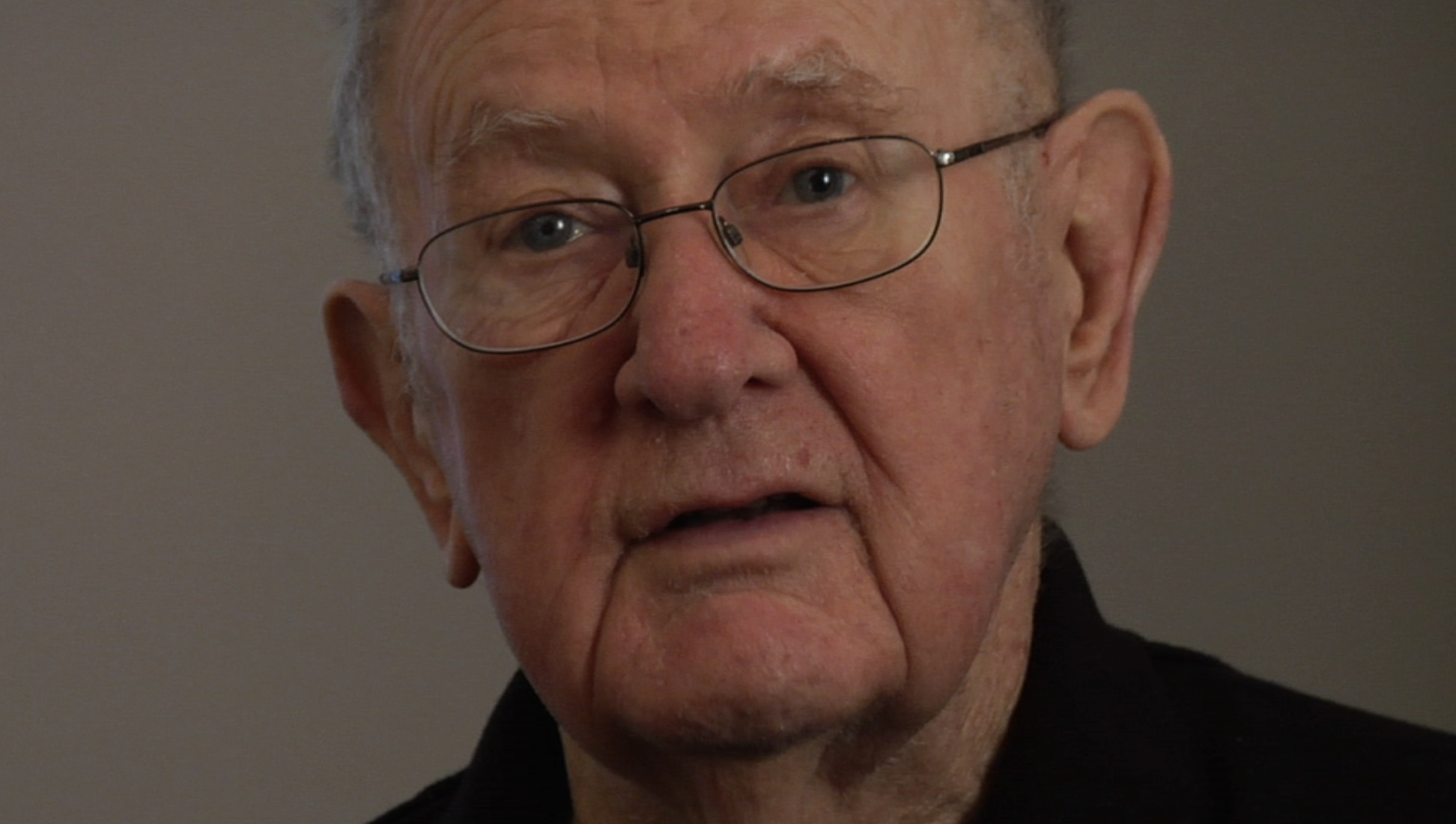
(photo above of Br. Bonaventure Scully, CFX)

Rest Easy?

As we begin the liturgical season of Ordinary Time in the Christian tradition, we are invited to reflect on the daily readings. For this first week of the season, the first readings come from an unknown author directed at the somewhat ambiguous audience in early Christianity known as “the Hebrews.” The Gospel readings during Ordinary Time are focused on Jesus and his actions and words, but mostly his actions, in the Gospel of Mark. There is also a reflection question based on documents from the Xaverian Brothers or from accounts of the lives of Xaverian Brothers or lay Partners in Mission. Please consider writing your own responses to the reflection questions below, or to reply to other peoples’ contributions.

Here are the readings for Friday, January 17 from the Letter to the Hebrews and from the Gospel of Mark.

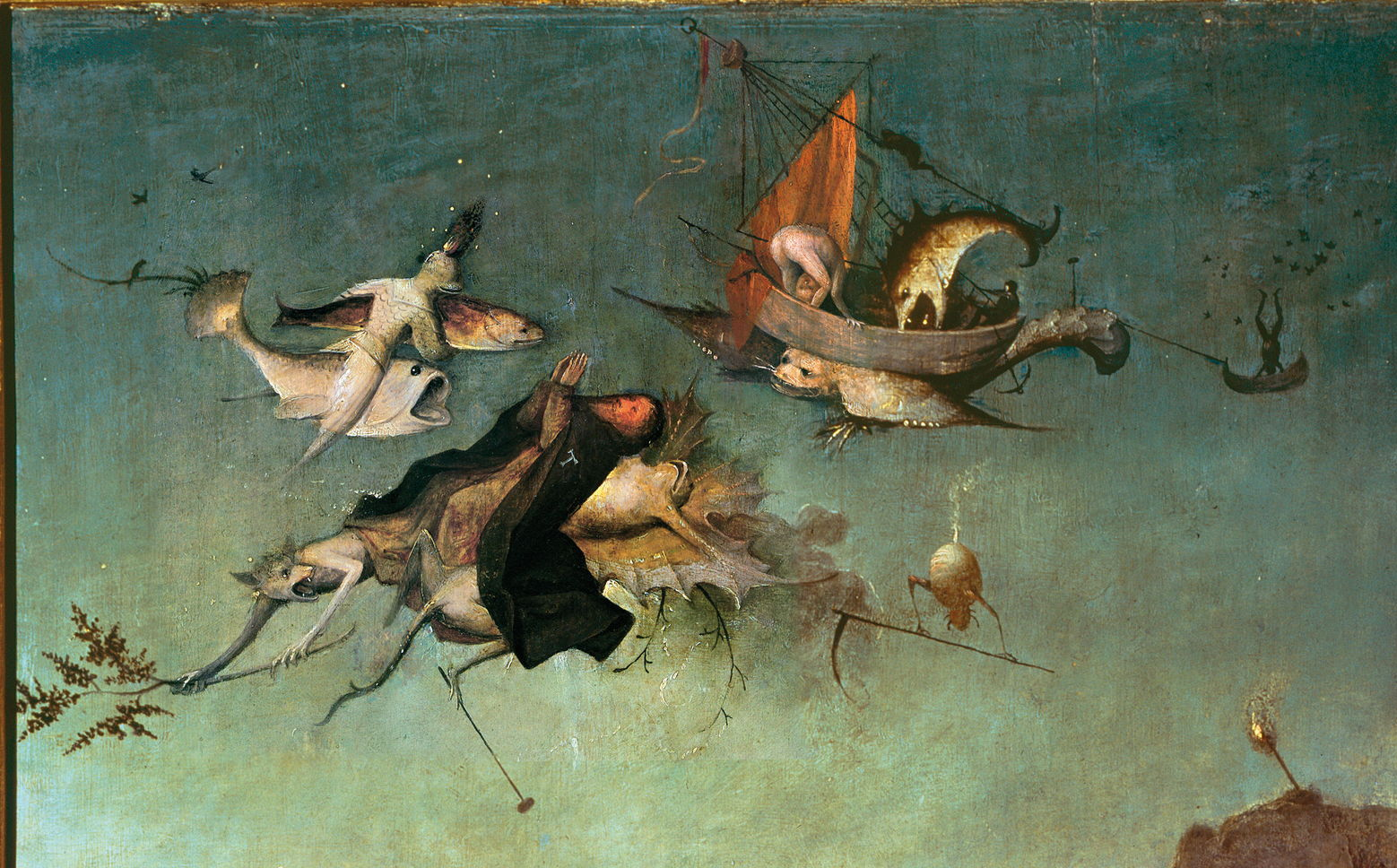
(painting below of “The Temptation of St. Anthony” by Hieronymus Bosch)

  1. The author to the Hebrews is full of concern about the peoples’ failure to observe the Sabbath, or to rest. Why is this a temptation today as much as it was 2000 years ago?
  2. Meditate on Jesus’ comment to his detractors-“which is easier to say-your sins or forgiven or to say get up and walk.” The Pharisees think they know why it is easier to say get up and walk, but what is Jesus really challenging them and us to consider?

Read page 6 from the Fundamental Principles of the Xaverian Brothers.

Conversion is a tricky term to apply to people, because it suggests immediate transformation. How does the author of the Fundamental Principles concur with the author to the Hebrews about pauses, sabbaths, or space in the day as necessary for that conversion to take place?

(Photo above of Br. Cornelius Hubbuch, CFX, and friends)

A Healing Sabbath

As we begin the liturgical season of Ordinary Time in the Christian tradition, we are invited to reflect on the daily readings. For this first week of the season, the first readings come from an unknown author directed at the somewhat ambiguous audience in early Christianity known as “the Hebrews.” The Gospel readings during Ordinary Time are focused on Jesus and his actions and words, but mostly his actions, in the Gospel of Mark. Please consider writing your own responses to the reflection questions below, or to reply to other peoples’ contributions. (Below: Eleventh century fresco of the Exorcism at the Synagogue in Capernaum)

Here are the readings for January 14, 2025 from the Letter to the Hebrews and from the Gospel of Mark.

  1. When Jesus drives out the unclean spirit, why does he command the spirit to be quiet, rather than seizing the opportunity for the people to learn more about his identity?
  2. Jesus taught and healed on the sabbath, the day of rest. The purpose of the sabbath is not just about disconnecting, but about reconnecting. Reconnecting can take energy on a day of rest. How can you be mindful of the balance between disconnection and reconnection and put it into practice on a day-long or hour-long sabbath?

Read pages 3 and 4 of the Fundamental Principles of the Xaverian Brothers.

On page 3 of the Fundamental Principles, the author states that “at times you will discover that God’s ways are not your ways, and God’s thoughts are not your thoughts. When this happens, try to surrender yourself trustingly into the arms of your Parent God.” At what times in your life have you made this discovery (good, peaceful, stressful, grief-stricken, angry, relaxed) and how have you responded as a kind of “surrender?”

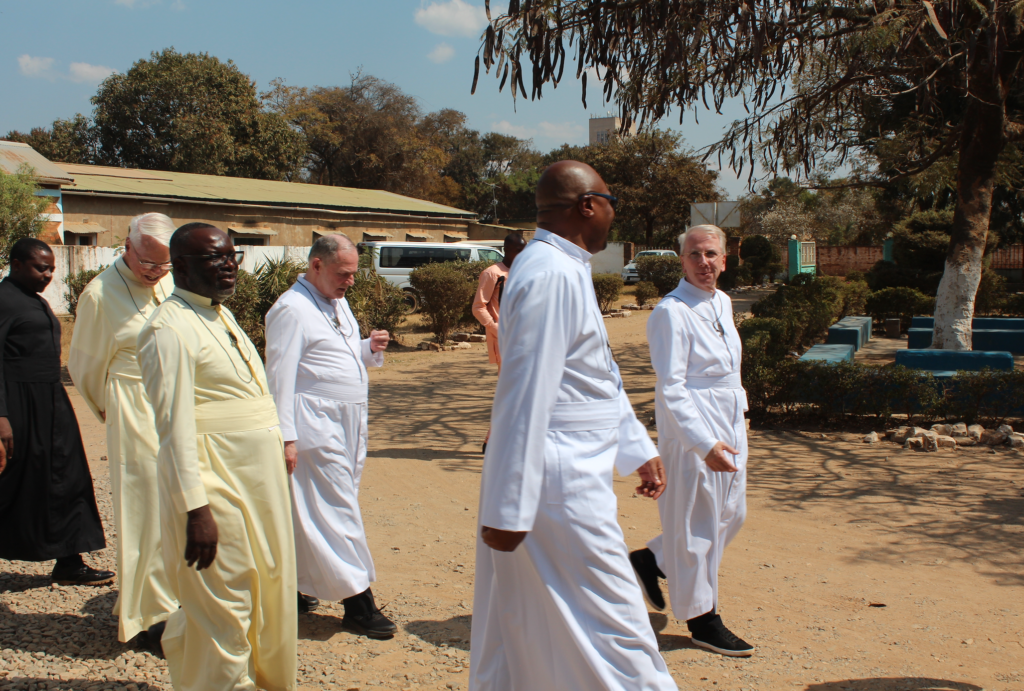
(Photo of Xaverian Brothers gathering in Congo https://xaverianbrothers.org/2022/09/12/a-visit-to-congo/)