Vulnerability or Shame?

During the fifth week in Ordinary Time, first readings shift to the creation stories in Genesis, while the Gospel readings continue to follow the actions, prayerful pauses, and corrections performed by Jesus in the Gospel of Mark. These readings reflect on God’s love in action, specifically creation, and how these creative powers establish connections with us, made in God’s image. Conversely, the Scripture confirms our all too human tendency to disconnect from God and our truest selves. Yet God continues to reach out and be right in our midst, gently calling us to turn around and embrace what is real and holy.

Think about when you have really messed something up. Was it handled quietly or did you find yourself exposed, there alone to face your shame? Similarly, have you ever been in a difficult situation in which you really needed help, but were afraid to ask? How can we be open to the discomfort of being vulnerable so that we can be free from the burdens of shame?

Here are the readings for Friday, February 14 from the Book of Genesis and from the Gospel of Mark.

(Painting above of “Adam and Eve” by Marc Chagall)

Read “A Description of the Xaverian Charism as Lived by Collaborators.”

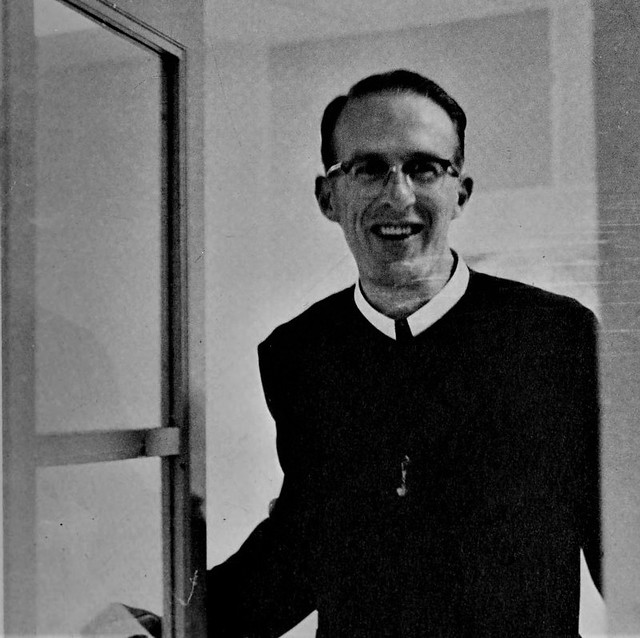
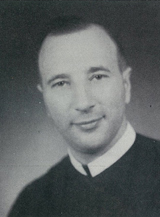
Read the appreciation of Brother David Eddy, CFX.

(Above photo of Brother David Eddy, CFX-Xaverian Brothers)

  1. How do we better “mutually help, encourage, and edify” one another? What kind of awareness do we need to possess to succeed in this task?
  2. How can we best use the spaces in our day, including the dull or boring parts, to seek this kind of awareness?
  3. It is often said that the “devil is in the details,” meaning if one doesn’t pay attention to the little things a great plan can go awry. Where have you seen or heard about an action in which the attention to details were made sacred?
  4. How does the story of Br. David Eddy’s life demonstrate how we cannot measure the impact of a person’s vocation based on fame or recognition?

Please consider writing your own responses to the readings or reflection questions below, or to reply to other peoples’ contributions. Also, if you know of a person, either religious or lay person, who has modeled the Xaverian way, and wish to share their story, please feel free to add to the comments section. 

Business but Unusual

During the fifth week in Ordinary Time, first readings shift to the creation stories in Genesis, while the Gospel readings continue to follow the actions, prayerful pauses, and corrections performed by Jesus in the Gospel of Mark. These readings reflect on God’s love in action, specifically creation, and how these creative powers establish connections with us, made in God’s image. Conversely, the Scripture confirms our all too human tendency to disconnect from God and our truest selves. Yet God continues to reach out and be right in our midst, gently calling us to turn around and embrace what is real and holy.

Trust in God’s presence and goodness radiate through today’s readings in Genesis and Mark. In the Charism statement, we are invited to affirm the call to self-giving, and to be open to how to share our gifts according to the signs of the times.

Here are the readings for Thursday, February 13 from the Book of Genesis and from the Gospel of Mark.

(Painting above of “The Syro-Phoenician Woman” by Michael Cook)

Read “A Description of the Xaverian Charism as Lived by Collaborators”, especially page 2.

Read the appreciation of Brother Conrad Callahan, CFX on p. 672 and 673 of the Xaverian Menology

(Above photo of Brother Conrad Callahan, CFX-Xaverian Brothers, St. Xavier High School, Louisville, KY)

  1. Brother Conrad was described in the text above and by people who knew him as “all business.” Yet he was also known by these same people as a compassionate soul. How do these seemingly divergent dispositions reflect the reality of the Xaverian charism in a person’s daily interactions with other people?
  2. Brother Conrad held multiple formal leadership positions. His discernment of his vocation led him to make a counter-cultural decision at the height of his influence as a head of school. How does this decision indicate how seriously he took the Value of Trust? How did this appreciation for trust sustain him later in life?
  3. How can lay people follow Brother Conrad’s example in our decisions that reflect the calls outlined in the Charism statement?

Please consider writing your own responses to the readings or reflection questions below, or to reply to other peoples’ contributions. Also, if you know of a person, either religious or lay person, who has modeled the Xaverian way, and wish to share their story, please feel free to add to the comments section. 

Tell Tale

During the fifth week in Ordinary Time, first readings shift to the creation stories in Genesis, while the Gospel readings continue to follow the actions, prayerful pauses, and corrections performed by Jesus in the Gospel of Mark. These readings reflect on God’s love in action, specifically creation, and how these creative powers establish connections with us, made in God’s image. Conversely, the Scripture confirms our all too human tendency to disconnect from God and our truest selves. Yet God continues to reach out and be right in our midst, gently calling us to turn around and embrace what is real and holy.

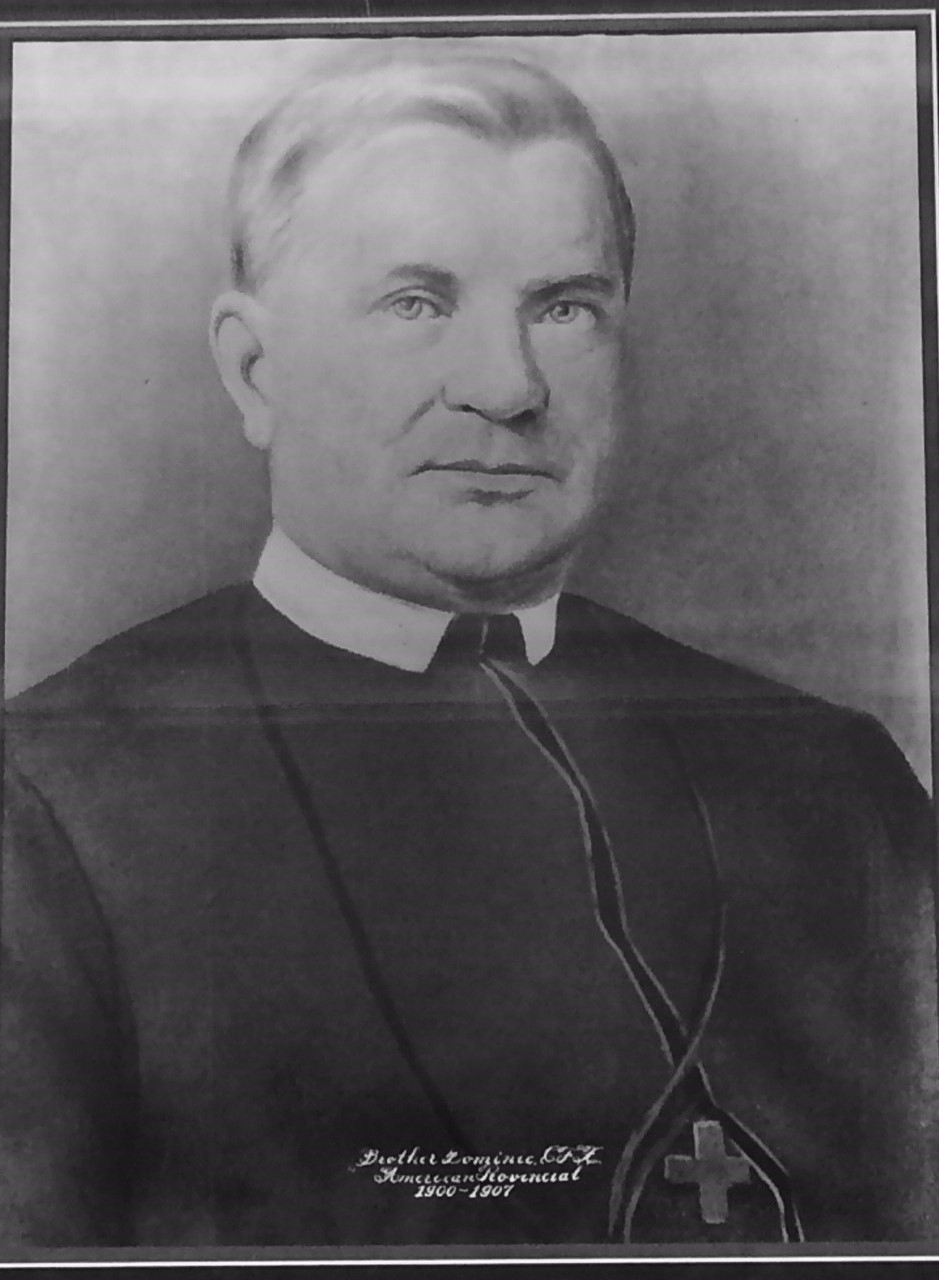
We have been reflecting on the Xaverian value of Trust over the course of the season of Ordinary Time. The beauty of the Xaverian values is that they never exist in isolation. Each one invites us to connect to another value, and to experience how all five in concert can lead us to experiences of the Spirit. Trust is possible through a deep openness to Humility, where we are made aware of our own poverty of spirit and need for repentance. The conclusion of today’s reading in Genesis contains a reminder of how important humility is in our relationships and decisions. In the Gospel of Mark, Jesus uses earthy metaphors to get his point across about how trust and humility come together to animate yet another value, that of Compassion, or the heart moving in action for others. The featured Xaverian today is Brother Dominic O’Connell, CFX, former Provincial and the first Principal at Mount Saint Joseph High School in Baltimore. As you read the rich and sometimes blunt biography of this man written by Br. James Kelly, consider how Jesus’ image of the heart was present in the life and times of Brother Dominic. Dominic experienced no shortage of humbling times or of being put in his place. Nevertheless, consider how his belief in the power of relationships gave life to the words in the Fundamental Principles, which Br. James weaves beautifully through the text of his account of Br. Dominic’s life and times.

Here are the readings for Wednesday, February 12 from the Book of Genesis and from the Gospel of Mark.

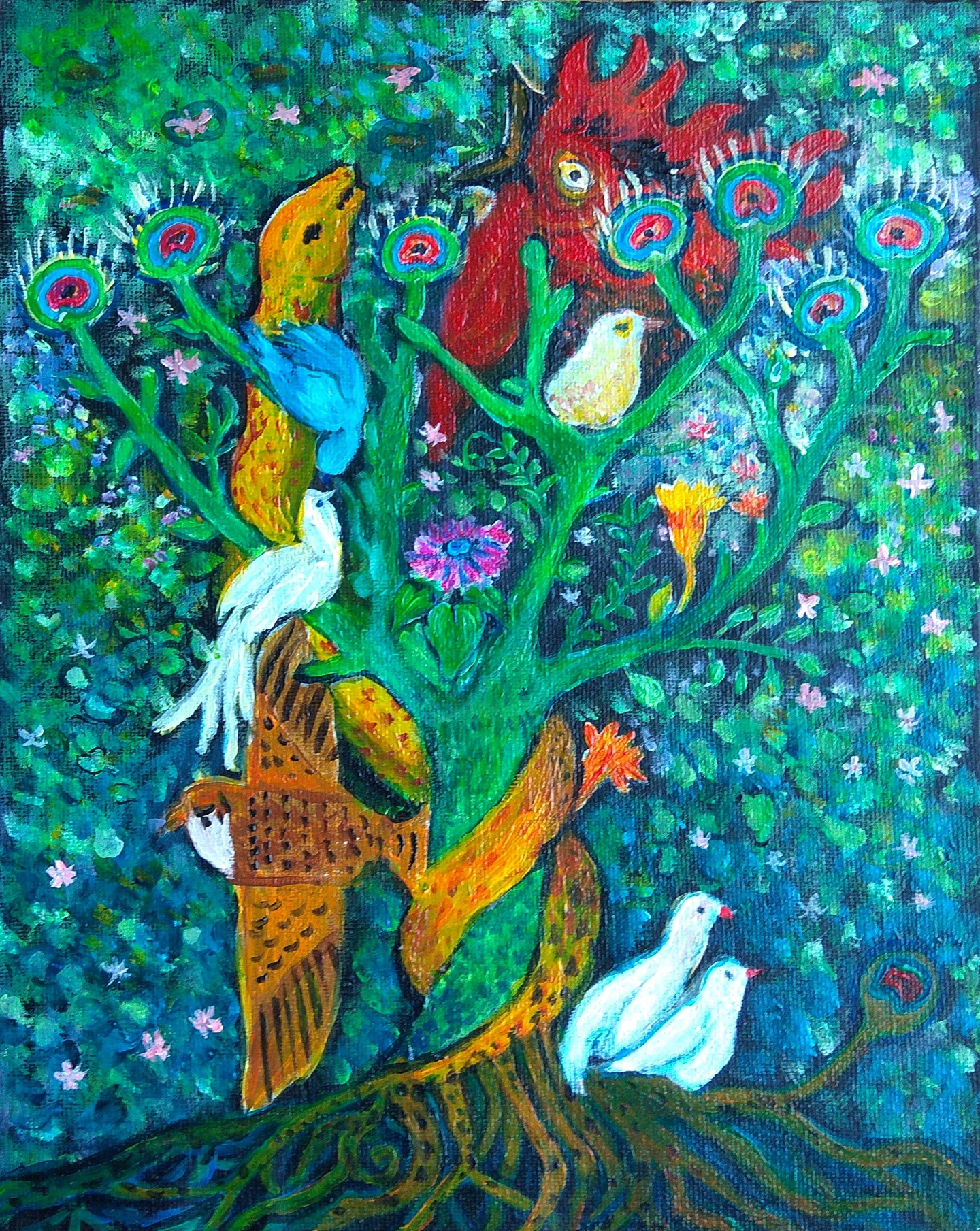
(Painting above of “The Tree of Knowledge of Good and Evil” by Laura Sofer)

Read the reflection on the life of Brother Dominic O’Connell, CFX

(Above photo of Brother Dominic O’Connell, CFX-Xaverian Brothers, Mount Saint Joseph High School)

  1. What is the message of humility embedded in the conclusion of the creation story in Genesis? Where can this be challenging for us in day to day choices?
  2. In the Gospel, Jesus asks people to rethink their understanding of the sources of sin and evil. What was their mistake, even if it was well meaning? How can we be prone to make similar mistakes of judgment regarding the people we encounter?
  3. Br. Dominic was known as a man with a great heart. How did his compassion get him into trouble, and what did this reveal about his priorities as a leader?

Please consider writing your own responses to the readings or reflection questions below, or to reply to other peoples’ contributions. Also, if you know of a person, either religious or lay person, who has modeled the Xaverian way, and wish to share their story, please feel free to add to the comments section. 
Evening Came, and Morning Followed

During the fifth week in Ordinary Time, first readings shift to the creation stories in Genesis, while the Gospel readings continue to follow the actions, prayerful pauses, and corrections performed by Jesus in the Gospel of Mark. These readings reflect on God’s love in action, specifically creation, and how these creative powers establish connections with us, made in God’s image. Conversely, the Scripture confirms our all too human tendency to disconnect from God and our truest selves. Yet God continues to reach out and be right in our midst, gently calling us to turn around and embrace what is real and holy.

This week invites us to wrestle with our assumptions and priorities. Traditions that we take for granted may come under scrutiny. Sometimes, as we read about the conflicts between tradition and renewal, it is helpful to reflect on the act of creation itself, and its enduring gift for us here in the present tense. After every dark night, morning comes.

Here are the readings for Tuesday, February 11 from the Book of Genesis and from the Gospel of Mark.

(Painting above of “The Pharisees” by Karl Schmidt Rottluff)

Reflect on page 12 of the Fundamental Principles of the Xaverian Brothers.

Read the obituary of Brother William Drinan, CFX on pages 611-613 of the Xaverian Menology.

  1. Jesus asks his adversaries hard questions about religious traditions and sacred relationships. Have you ever had an experience in which you felt someone prioritized a tradition in a way that got in the way of or hurt an important personal or community relationship? What about if we are the ones who see only the tradition or fear of breaking with it? Who does Jesus ask us to be when we reach these uncomfortable spaces? Not just what do we do, but who shall we be?
  2. Brother William Drinan had numerous accomplishments in his life, and was creative and tenacious in following through with his missions. His bingo strategy to benefit one of the schools is a testament to persistence, optimism, and relationship building. As you read about his remarkable life, consider the paragraph on p. 12 of the Fundamental Principles about how the history of the Congregation is the actual lived expression and development of the Founder’s Charism. Note the reference to cycles of life and death. How do these words give us comfort and inspiration when faced with a problem whose solution is not readily accessible?

(Above photo of Brother William Drinan, CFX-St. John’s Preparatory School)

Please consider writing your own responses to the readings or reflection questions below, or to reply to other peoples’ contributions. Also, if you know of a person, either religious or lay person, who has modeled the Xaverian way, and wish to share their story, please feel free to add to the comments section. 
How Good that it Was

During the fifth week in Ordinary Time, first readings shift to the creation stories in Genesis, while the Gospel readings continue to follow the actions, prayerful pauses, and corrections performed by Jesus in the Gospel of Mark. These readings reflect on God’s love in action, specifically creation, and how these creative powers establish connections with us, made in God’s image. Conversely, the Scripture confirms our all too human tendency to disconnect from God and our truest selves. Yet God continues to reach out and be right in our midst, gently calling us to turn around and embrace what is real and holy.

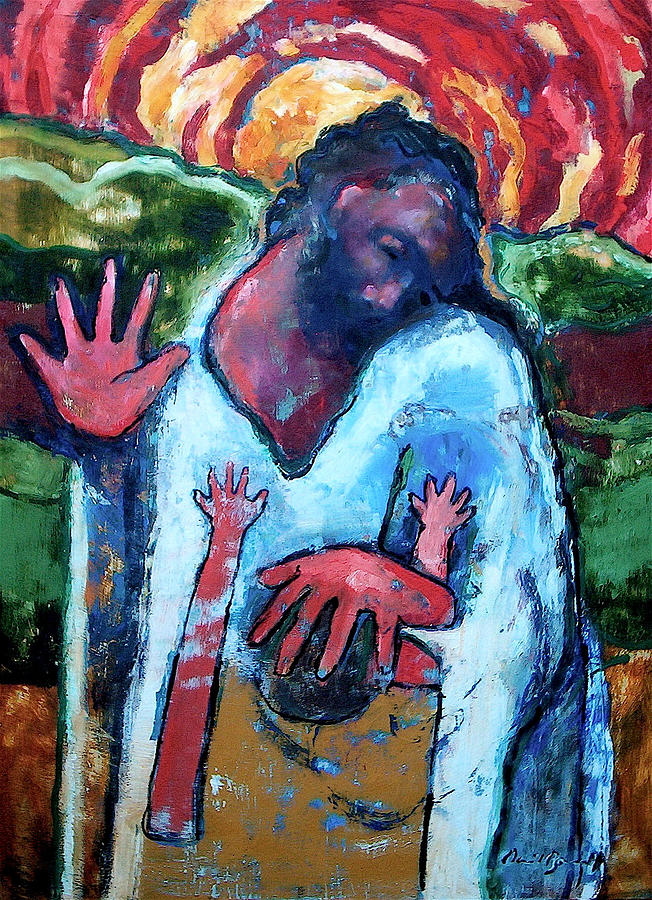
Acts of creation and healing are prominent in today’s readings. Consider the connection between creation and healing, and how in our moments of contemplation, sometimes brief moments, we can be aware of the opportunities for each on a typical day and in familiar settings.

Here are the readings for Monday, February 10 from the Book of Genesis and from the Gospel of Mark.

(Painting above of “The Healing of a Child” by Daniel Bonnell)

Reflect on page 7 of the Fundamental Principles of the Xaverian Brothers.

Read the obituary of Brother John Lesica, CFX on pages 92-93 of the Xaverian Menology.

  1. Brother John Lesica served in multiple positions of official leadership in Xaverian schools and for his order’s community. How did he develop both religious and lay persons to prepare them for leadership and to share their gifts?
  2. How do Jesus’ healings in Mark reflect the final paragraph on page 7 of the Fundamental Principles that calls us to “…a true mutual sharing with your brothers and sisters…” and “a ready acceptance of each of them in all their sinful and graced humanity”?

(Above photo of Brother John Lesica, CFX-In Memoriam, St. Joe Prep Class of 1960)

Please consider writing your own responses to the readings or reflection questions below, or to reply to other peoples’ contributions. Also, if you know of a person, either religious or lay person, who has modeled the Xaverian way, and wish to share their story, please feel free to add to the comments section. 

The Creation of Connections

Today begins the fifth week of Ordinary Time. During the weeks to come, first readings shift to the creation stories in Genesis, while the Gospel readings continue to follow the actions, prayerful pauses, and corrections performed by Jesus in the Gospel of Mark. These readings reflect on God’s love in action, specifically creation, and how these creative powers establish connections with us, made in God’s image. Conversely, the Scripture confirms our all too human tendency to disconnect from God and our truest selves. Yet God continues to reach out and be right in our midst, gently calling us to turn around and embrace what is real and holy.

Today’s featured Xaverian is the late Brother Cosmas Rubencamp, CFX. Br. Cos was the first Xaverian Brother I ever met, while on a college retreat near Richmond, VA. I had no idea about who the Brothers were, or what words like “charism” meant. Yet there was something quietly special about this man. He had an incredible ability to sense how young adults hungered for spiritual connections and he facilitated those bonds through fellowship, prayer, and from the witness of other people who had responded to calls to fall in love with God and God’s service. It was over twenty years later when I found myself working in a Xaverian school in Baltimore that I heard other Brothers speak about Br. Cosmas’ ministries, and how his calling took him from college campuses to Haiti and back, in service to those suffering from material and spiritual poverty. This man was a Xaverian, “freely choosing to live a life of love in faith and trust.”

Here are the readings for Sunday, February 9 from the Prophet Isaiah, Paul’s First Letter to the Corinthians, and from the Gospel of Luke.

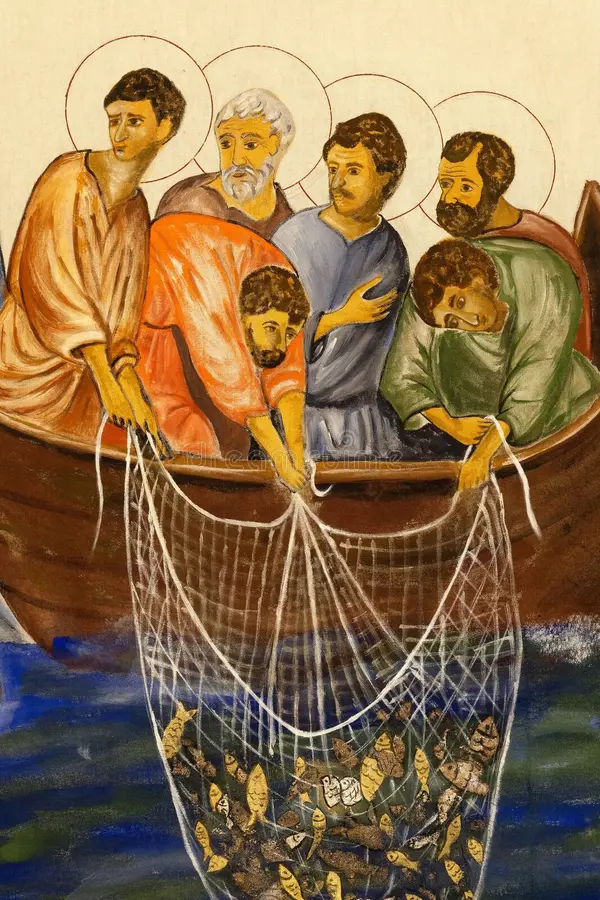
(Painting above of “Jesus’ Miracle: The Miraculous Fishing” by Lapeyrouse Mornay, icon 20th century)

Reflect on page 1 of the Fundamental Principles of the Xaverian Brothers.

Read the obituary reflection of Br. Cosmas Rubencamp, CFX, on p. 6 of Concordia, Fall 2017

In today’s Gospel, Jesus challenges his new friends to try something new, which grips them with fear but they hang on nonetheless. Reflect on the last two paragraphs from page 1 of the Fundamental Principles. The words remind us that we are children of God, loved for our very being, and as such we are called to demonstrate this love to others in our journeys in life. How can we share this gift with others during busy and mundane daily encounters with those we know and those we don’t? How are we being called to look to the opposite side of our current orbit to try something new, especially if it scares us?

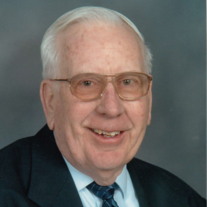
(Above photo of Brother Cosmas Rubencamp, CFX)

Please consider writing your own responses to the readings or reflection questions below, or to reply to other peoples’ contributions. Also, if you know of a person, either religious or lay person, who has modeled the Xaverian way, and wish to share their story, please feel free to add to the comments section. 

All that is Pleasing

During the fourth week of Ordinary Time, the readings continue to reflect the themes of encouragement to faith communities and challenges to embrace what is new so that we may maintain what is sacred. Being open to the presence of God in uncertain times figure prominently. Please consider writing your own responses to the readings or reflection questions below, or to reply to other peoples’ contributions. Also, if you know of a person, either religious or lay person, who has modeled the Xaverian way, and wish to share their story, please feel free to add to the comments section. 
Today is the final reading from the Letter to the Hebrews this cycle in Ordinary Time. The author reminds the community that grace can be found through ordinary sacrifices such as sharing with their neighbors and accepting the decisions of those tasked with leadership. In the Gospel of Mark, Jesus, despite fatigue, opens himself up to be present to the people who are aimless or lost. His disciples still do not fully grasp that this type of “agape” or self-sacrificing love in daily life has a compounding graced effect not only on those who are being served but also on the servant.

(Painting below of “Christ’s Entry into Brussels” by James Ensor)

Here are the readings for Saturday, February 8 from the Letter to the Hebrews and the Gospel of Mark.

Reflect on page 11 of the Fundamental Principles of the Xaverian Brothers.

  1. Read the Gospel and then read the section from the Fundamental Principles. What do you find challenging, frightening, or inspiring?
  2. How do the words of the Fundamental Principles reflect the words of encouragement in the Letter to the Hebrews?
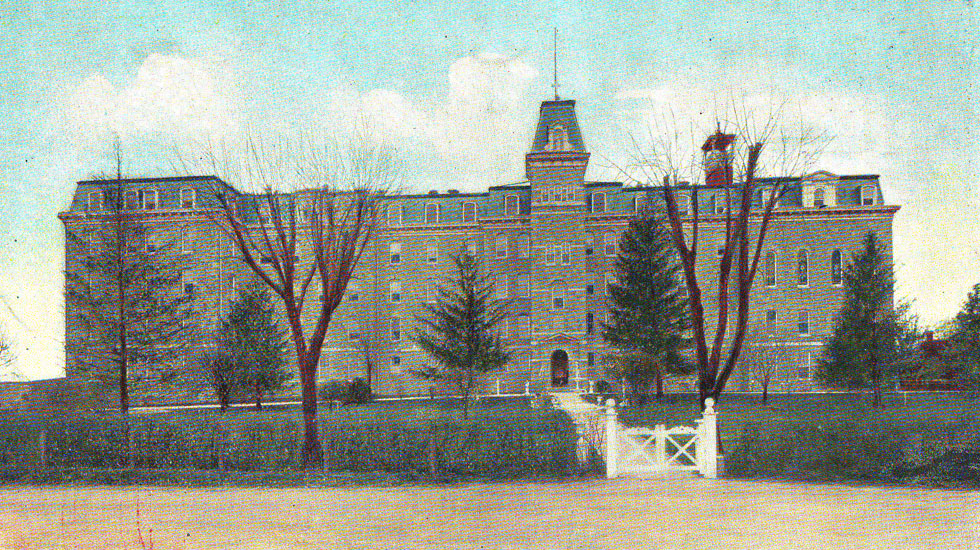
  3. Read the reflection on St. Mary’s Industrial School and the appreciation for Brother Thomas More Page, CFX. What gifts did he receive from his experiences at this school and how did he share the gifts as a man, as a Xaverian Brother, as a child of God?

(Above photo of Brother Thomas More Page, CFX-St. Xavier High School)

(Photo above of St. Mary’s Industrial School, Baltimore, MD-Xavierian Brothers)

Forward

During the fourth week of Ordinary Time, the readings continue to reflect the themes of encouragement to faith communities and challenges to embrace what is new so that we may maintain what is sacred. Being open to the presence of God in uncertain times figure prominently. Please consider writing your own responses to the readings or reflection questions below, or to reply to other peoples’ contributions. Also, if you know of a person, either religious or lay person, who has modeled the Xaverian way, and wish to share their story, please feel free to add to the comments section. 
In the Letter to the Hebrews, the author reminds the audience of the men and women of faith who blazed a trail of commitment over time so that new believers could have the opportunity to be transformed and share the Good News. These trailblazers include the Twelve Apostles, who in their imperfect ways, were animated to embrace to the best versions of themselves with the people that they encountered. Today we also feature a great American trailblazer of faith, Brother Isidore Kuppel. His zeal for innovation and leadership inspired generations of people to fall in love with God and the Xaverian way.

(Painting below of Jesus sending out the Twelve)

Here are the readings for Thursday, February 6 from the Letter to the Hebrews and the Gospel of Mark.

Reflect on pages 4 and 5 of the Fundamental Principles of the Xaverian Brothers.

(Above photo of Brother Isidore Kuppel, CFX-Xaverian Brothers)

  1. Consider the language in the Letter to the Hebrews, the Gospel of Mark, and the Fundamental Principles. How are they all simultaneously comforting and challenging? What is the relationship between being open to the challenges of discipleship and experiencing the comfort of a graced relationship with God that is present in a community of brothers and sisters?
  2. I love this picture of Brother Isidore. He is shown at repose, relaxing with an almost satisfied look on his face. It is an odd photo when one reads his biography above. The man rarely took it easy; it simply did not fit into his calling and the love that he felt from pursuing it. How did he internalize and then project the message from today’s Gospel about being sent forth? What lessons and insights did he glean from his failures that are of value to leaders today who respond to the call to be disciples?

Awake From Your Slumber

During the fourth week of Ordinary Time, the readings continue to reflect the themes of encouragement to faith communities and challenges to embrace what is new so that we may maintain what is sacred. Being open to the presence of God in uncertain times figure prominently. Please consider writing your own responses to the readings or reflection questions below, or to reply to other peoples’ contributions. Also, if you know of a person, either religious or lay person, who has modeled the Xaverian way, and wish to share their story, please feel free to add to the comments section. 
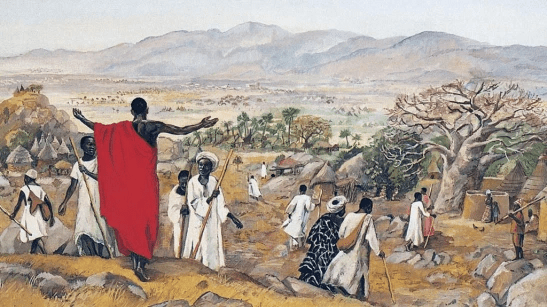
Today’s passage from the Letter to the Hebrews contains the memorable “cloud of witnesses” phrase. It is simultaneously mysterious and tangible, reflecting the solidarity of the faithful, living and deceased, walking with us through peril but also through the quiet and mundane parts of our daily journeys. (Painting below “The Cloud of Witnesses” by Eria “Sane” Nsubuga)

Here are the readings for Tuesday, February 4 from the Letter to the Hebrews and the Gospel of Mark.

Reflect on the Description of the Xaverian Charism for Xaverian Brothers Sponsored Schools.

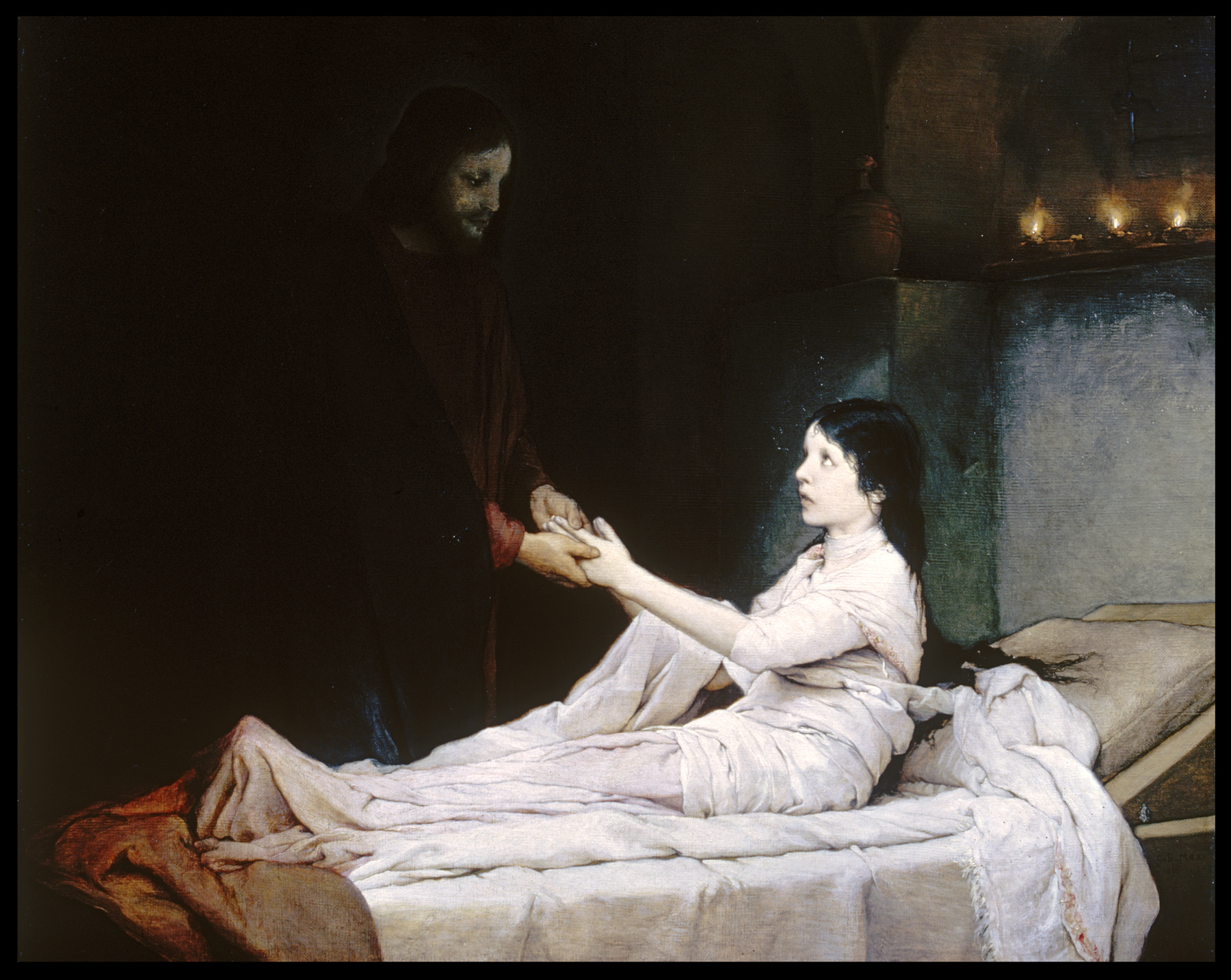
(Above painting of “The Raising of Jairus’ Daughter” by Gabriel Max)

  1. Jesus shocks and even offends people by describing Jairus’ daughter as asleep. What was he trying to say, not necessarily about the girl, but about the adults in the room?
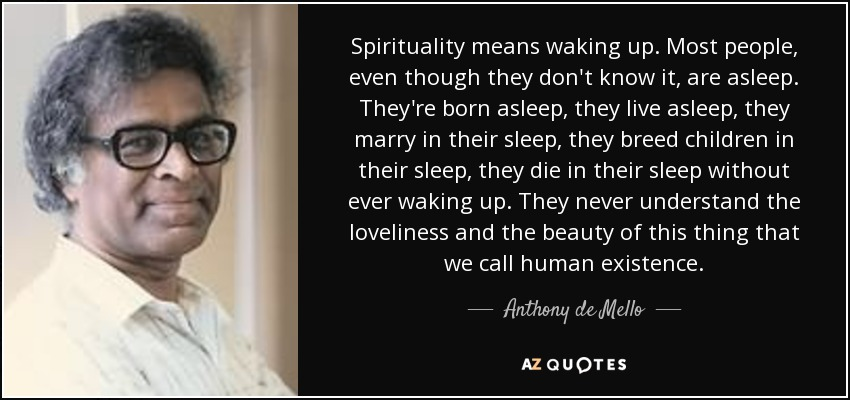
  2. Compare the preamble in the description of the Xaverian charism with the quote below from Anthony de Mello. How does each text reflect the concept of awakening, especially to the daily and unspectacular experiences that are nevertheless grace filled?

Out of Weakness Made Powerful

During the fourth week of Ordinary Time, the readings continue to reflect the themes of encouragement to faith communities and challenges to embrace what is new so that we may maintain what is sacred. Being open to the presence of God in uncertain times figure prominently. Please consider writing your own responses to the readings or reflection questions below, or to reply to other peoples’ contributions. Also, if you know of a person, either religious or lay person, who has modeled the Xaverian way, and wish to share their story, please feel free to add to the comments section. 
(Painting below “Jesus Heals the Gerasene Demoniac”)

Here are the readings for Monday, February 3 from the Letter to the Hebrews and the Gospel of Mark.

Reflect on the prayer, “Prophets of a Future Not Our Own” by Bishop Kenneth Untener.

(Above photo of Brother Plunket Doherty, CFX Teaching at Malden Catholic High School in 1970-Xaverian Brothers)

  1. Are we able to be at peace with the idea that our legacy or life’s work may not be remembered by many, or that we may not see the fruits of our labor? How does this apply to anyone charged with forming or educating a young person?
  2. If you were a follower of Jesus who witnessed him healing the man with the unclean spirit, would you judge the events that unfolded as a success? What was the source of the onlookers’ fears?
  3. A former student once remarked that “Brother Plunket Doherty commanded a roomful of boys with just a look and a whisper.” How can our very dispositions around others be an efficacious way of sharing our faith or understanding of spiritual gifts?