This Way

During the sixth week in Ordinary Time, in the Book of Genesis, time and time again human beings turn inward to their selfish desires or act destructively out of fear, perpetuating a cycle of isolation from love and friendship. In the Gospel of Mark, Jesus seems to be almost physically shaking his friends and would be disciples out of their slumber and to open their eyes to what they are missing right in front of them.

The tone of the readings for today are optimistic. In each one, a human is given a new start and direction. It is a reminder of both our own human freedom and capacities, but also the need for connection and relationships to unleash our freedom. Is it grace when humans find themselves redirected and seeing what is real for what seems like the first time?
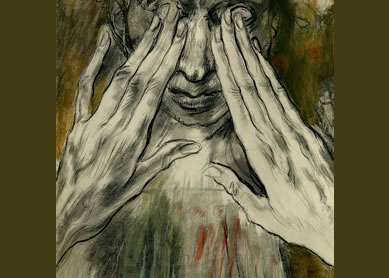
Here are the readings for Wednesday, February 19 from the Book of Genesis and from the Gospel of Mark.

(“Healing a Blind Man” by Eduourd Léon Edy-Legrand)

Read page 19 in the Xaverian Charism Project.

Read the biography of Br. John Wills, CFX on pages 468-470 in the Xaverian Menology.
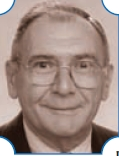
(Above photo of Brother John Henry “Alberic” Wills, CFX-St. Xavier High School)

  1. The narrative in Genesis in which Noah steps onto dry land contains the emotions of a heartfelt reunion. How does the passage remind us of the power of forgiveness, both for the one forgiven and the one who does the forgiving?
  2. The Scripture readings today evoke images of sight and redirection. How did Brother John Wills guide his students, including those he never saw in a classroom?
  3. If you read the italicized paragraph at the top of page 19 of the Xaverian Charism Project, there is a meditation on finding “ordinary ground” followed by a statement in bold about what constitutes “ordinary.” How do the Scriptures for today echo the themes of “ordinary” as applied to the relationship between humans and God?

Business but Unusual

During the fifth week in Ordinary Time, first readings shift to the creation stories in Genesis, while the Gospel readings continue to follow the actions, prayerful pauses, and corrections performed by Jesus in the Gospel of Mark. These readings reflect on God’s love in action, specifically creation, and how these creative powers establish connections with us, made in God’s image. Conversely, the Scripture confirms our all too human tendency to disconnect from God and our truest selves. Yet God continues to reach out and be right in our midst, gently calling us to turn around and embrace what is real and holy.

Trust in God’s presence and goodness radiate through today’s readings in Genesis and Mark. In the Charism statement, we are invited to affirm the call to self-giving, and to be open to how to share our gifts according to the signs of the times.

Here are the readings for Thursday, February 13 from the Book of Genesis and from the Gospel of Mark.

(Painting above of “The Syro-Phoenician Woman” by Michael Cook)

Read “A Description of the Xaverian Charism as Lived by Collaborators”, especially page 2.

Read the appreciation of Brother Conrad Callahan, CFX on p. 672 and 673 of the Xaverian Menology

(Above photo of Brother Conrad Callahan, CFX-Xaverian Brothers, St. Xavier High School, Louisville, KY)

  1. Brother Conrad was described in the text above and by people who knew him as “all business.” Yet he was also known by these same people as a compassionate soul. How do these seemingly divergent dispositions reflect the reality of the Xaverian charism in a person’s daily interactions with other people?
  2. Brother Conrad held multiple formal leadership positions. His discernment of his vocation led him to make a counter-cultural decision at the height of his influence as a head of school. How does this decision indicate how seriously he took the Value of Trust? How did this appreciation for trust sustain him later in life?
  3. How can lay people follow Brother Conrad’s example in our decisions that reflect the calls outlined in the Charism statement?

Please consider writing your own responses to the readings or reflection questions below, or to reply to other peoples’ contributions. Also, if you know of a person, either religious or lay person, who has modeled the Xaverian way, and wish to share their story, please feel free to add to the comments section.