Trust Me I Am Here

In this third week of Ordinary Time, the readings continue to reflect the themes of encouragement to faith communities and challenges to embrace what is new so that we may maintain what is sacred. Please consider writing your own responses to the readings or reflection questions below, or to reply to other peoples’ contributions. Also, if you know of a person, either religious or lay person, who has modeled the Xaverian way, and wish to share their story, please feel free to add to the comments section. 

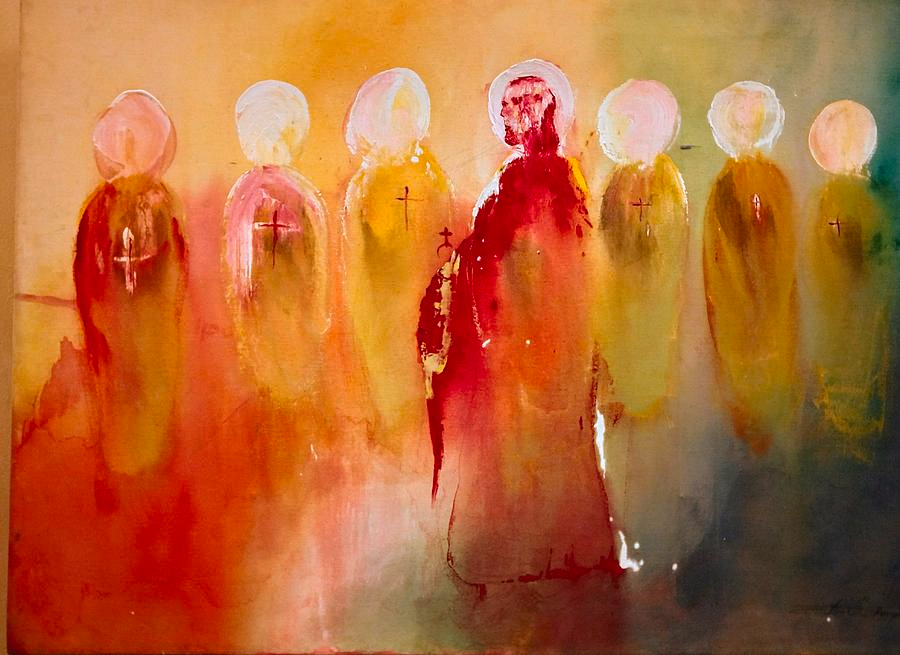
The Xaverian Charism calls us to fall in love with God each day. On some days this is quite natural, and extremely difficult on others. I suspect for those of us who pursue a spiritual journey, most days fall somewhat on a continuum between the two extremes. Motivation for stepping into the unknown may be in short supply on any given ordinary day. This is where grace comes in. People who follow the Xaverian way are empowered by five values which help us bear witness to the Charism. The values are: Simplicity, Compassion, Humility, Zeal, and Trust. The values do not exist in isolation and together gives us and our communities a beacon, especially when we are reluctant or fearful. As you read today’s Scriptures and the profile of Brother Raymond Hoyt, CFX, think about the value of Trust and its power to animate us, even on the most ordinary of days. (Painting below “Jesus Lamp Under a Bushel”)

Here are the readings for Thursday, January 30 from the Letter to the Hebrews and from the Gospel of Mark.

Next, read and reflect upon pages 2 and 3 the Fundamental Principles of the Xaverian Brothers.

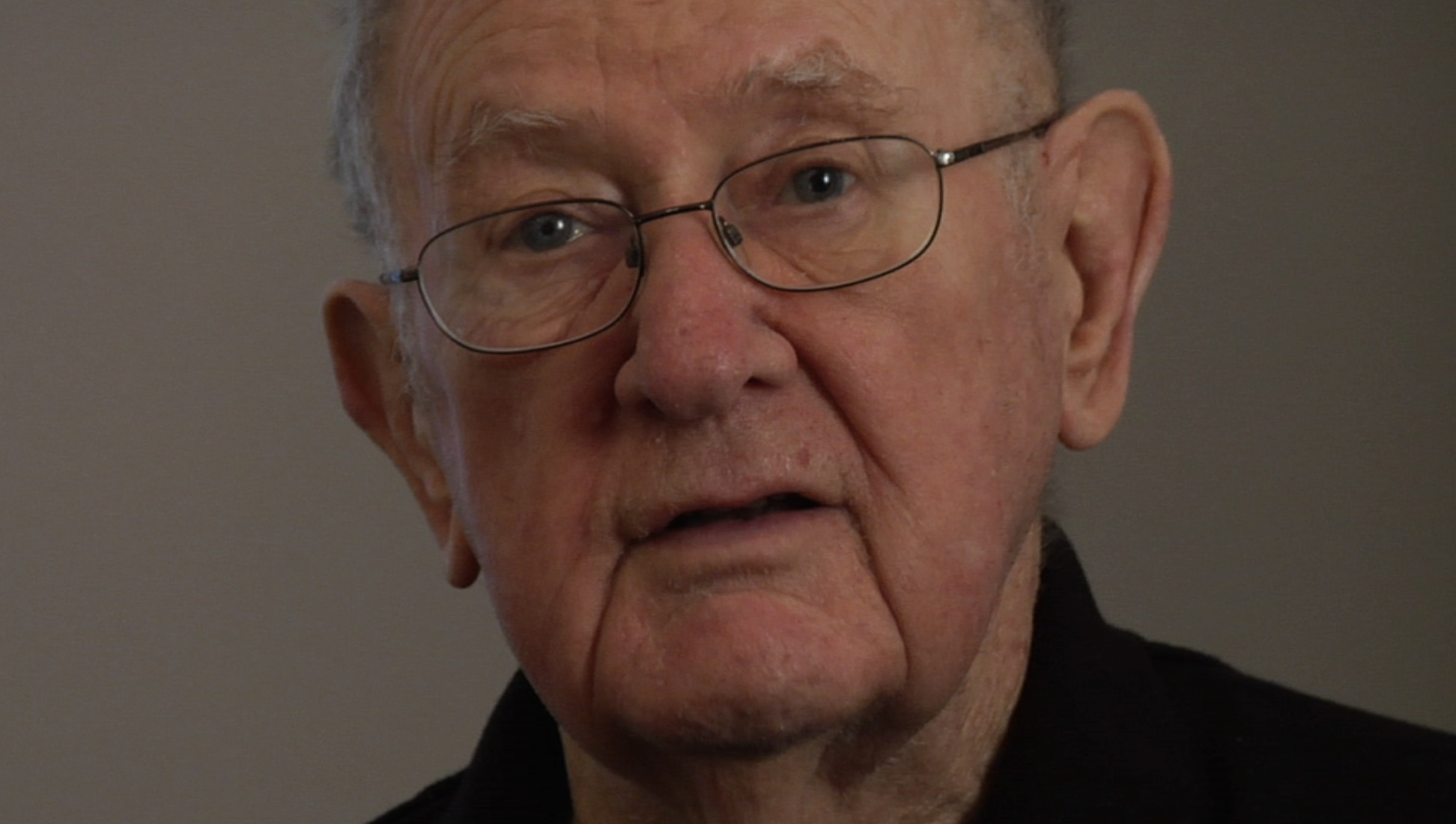
(Above photo of Brother Raymond Hoyt, CFX)

  1. Read the passage from the Letter to the Hebrews and pages 2 and 3 from the Fundamental Principles together. How do the words and messages in the Fundamental Principles reflect what is revealed in the Scripture, especially about the value of Trust?
  2. Why is Trust so essential to following through on Jesus’ command to not to hide one’s “lamp” or inner light, as well as his admonition about the effects of unconditional giving of self?
  3. Read the text and view the video on the life of Br. Raymond Hoyt, CFX. How did he reflect the Xaverian Charism in daily life, especially witnessing to the value of Trust?

No Need to Look

I’ve always had mixed feelings about the movie “Forrest Gump.” I always thought it was the third best movie of 1994 behind “The Shawshank Redemption” and “Pulp Fiction”, yet it got all the accolades. Nevertheless, there are several powerful quotes in the film that resonate today and have nothing to do with chocolate. My favorite line comes after Lt. Dan sarcastically asks Gump if he has “found Jesus yet?” Without missing a beat, Forrest replies, “I didn’t know I was supposed to be looking for him, sir.”

In this third week of Ordinary Time, the readings continue to reflect the themes of encouragement to faith communities and challenges to embrace what is new so that we may maintain what is sacred. Please consider writing your own responses to the readings or reflection questions below, or to reply to other peoples’ contributions. Also, if you know of a person, either religious or lay person, who has modeled the Xaverian way, and wish to share their story, please feel free to add to the comments section. (Painting below “Jesus Preaching from a Boat” by Jorge Cocco)

Here are the readings for Wednesday, January 29 from the Letter to the Hebrews and from the Gospel of Mark.

Next, consider the advice of Anthony de Mello:

“Don’t ask the world to change….you change first. People who want a cure, provided they can have it without pain, are like those who favor progress, provided they can have it without change. The one who would be constant in happiness must frequently change.” -Anthony de Mello, SJ

(Above photo of Tim Coppejans, head of school at Des Freres in Bruges, Belgium, and Br. Dan Skala, CFX, General Superior)

  1. What does de Mello insist is necessary for spiritual growth as well as tangible change for the better in our world?
  2. In Mark, Jesus suggests that we are actually standing on fertile ground, we do not have to search for it. What daily reflective practices can help remind us of where we actually are and break the illusion that we are far away from God?
  3. The Xaverian Brothers began in Belgium, and the Charism is still alive and well there, led by committed lay people and the Xaverian Brothers. Consider the story of Des Freres as an example of how the Charism continues to inspire people to recognize the fertile ground underneath their feet.

Awareness of Conversion

As we come to the end of the second week of Ordinary Time, the readings shift somewhat today and tomorrow. Today the overwhelming themes are conversion and the zeal that comes from this transformation. We read about the conversion experiences of Saul of Tarsus and of the surviving 11 Apostles following Jesus’ resurrection. Conversion and awareness of it is a central component to the Fundamental Principles of the Xaverian Brothers. Please consider writing your own responses to the readings or reflection questions below, or to reply to other peoples’ contributions. Also, if you know of a person, either religious or lay person, who has modeled the Xaverian way, and wish to share their story, please feel free to add to the comments section. (Painting below “Jesus and his Apostles” by Edward Longo)

Conversion is never truly sudden, even if it is dramatic like Saul of Tarsus. True, he was thrown from his own life into darkness, emerging as a changed person. Yet if one reads the narratives about Paul’s faith journey, along with the points of emphasis in his missionary letters, it is clear that Paul’s conversion to the Gospel keeps occurring over time, sustaining him and giving him strength to approach new audiences and the challenges of a changing world.

  1. How have experiences of humility (or humiliation) in your life been a source of wisdom which you can then share as a gift to others?
  2. How is a religious conversion like a lifelong friendship, committed relationship or marriage?

Here are the readings for Saturday, January 25 from the Acts of the Apostles and from the Gospel of Mark.

Then read pages 12 and 13 of the Fundamental Principles of the Xaverian Brothers. 

(Above painting “The Conversion of St. Paul” by James B. Janknegt)

Br. James Kelly was my first boss at a Xaverian school. I say boss because there was never any doubt that he was in charge. He is best known for leading three Xaverian Schools, the last being Mount Saint Joseph High School, and for his larger than life personality. For me, what impressed me most about Br. James was his talent for sharing the history of the Xaverian Brothers with lay people like me who had little to no background in it, and in transforming these stories of the past into lessons and parables for our shared future as a school community. I learned later that Jim was not educated by Xaverian Brothers, so he made it his mission to find out as much of their history and dispositions as possible. He succeeded, with a convert’s zeal.

  1. How has your understanding of history, either personal, societal, or of your own community, helped you share your values to new people in your orbit?
  2. How have you maintained your core values yet adapted to how they inform your actions and work based on the signs of the times?

The Rigors of the Spiritual Life

For the second week of the season, the first readings continue to come from an unknown author directed at the somewhat ambiguous audience in early Christianity known as “the Hebrews.” The Gospel readings during Ordinary Time are focused on Jesus and his actions and words, but mostly his actions, in the Gospel of Mark. There is also a reflection question based on documents from the Xaverian Brothers or from accounts of the lives of Xaverian Brothers or lay Partners in Mission. Please consider writing your own responses to the reflection questions below, or to reply to other peoples’ contributions. Also, if you know of a person, either religious or lay person, who has modeled the Xaverian way, and wish to share their story, please feel free to add to the comments section.

Here are the readings for Thursday, January 23 from the Letter to the Hebrews and from the Gospel of Mark. (painting below from wallpapers.com)

Both the letter to the Hebrews and the Gospel of Mark speak to Jesus’ availability, especially to those pushed aside or shunned in their societies. In Mark we also read accounts of “the crowd”, which becomes a character in its own right in this Gospel narrative. The crowd is fascinated with Jesus, but is fickle when it comes to whom and when it chooses to venerate, ignore, or condemn. People in the crowd are reactive and not reflective. Jesus, on the other hand, possesses the spiritual discipline to be faithful to his mission and not be distracted by the temptations of celebrity, or to become someone that he is not to fit the desires of the crowd. Consider when you are having a moment in which you are tempted to speak or act out of expediency and not out of authenticity? When are those weak moments most likely to occur, and when can you reflect on these and other events in your day-in the morning, on a commute, or before you retire for the evening? Think about reflection to prevent reaction.

Read page 12 of the Fundamental Principles of the Xaverian Brothers and then read the biography of Br. Hugo Hammer, CFX (p. 125 and 126 in the Xaverian Menology)

(Above Hugo Hammer, CFX as a Senior at St. Xavier High School in Louisville, KY 1940)

By all accounts, Br. Hugo led a vigorous and active life! How do the spiritual recommendations on p. 12 of the Fundamental Principles direct us to intentionally reflective practices to sustain our energy in our lives that in their own way are just as busy as Br. Hugo was?

Feeling Sluggish?

For the second week of the season, the first readings continue to come from an unknown author directed at the somewhat ambiguous audience in early Christianity known as “the Hebrews.” The Gospel readings during Ordinary Time are focused on Jesus and his actions and words, but mostly his actions, in the Gospel of Mark. There is also a reflection question based on documents from the Xaverian Brothers or from accounts of the lives of Xaverian Brothers or lay Partners in Mission. Please consider writing your own responses to the reflection questions below, or to reply to other peoples’ contributions. Also, if you know of a person, either religious or lay person, who has modeled the Xaverian way, and wish to share their story, please feel free to add to the comments section.

Here are the readings for Tuesday, January 21 from the Letter to the Hebrews and from the Gospel of Mark. (“Father and son” painting below by Peter Brown)

This is Ordinary Time, both in the liturgical year and in secular life. It is natural to feel sluggish with no holiday or event immediately on the horizon. The two readings are an interesting juxtaposition between “sluggishness” and the “sabbath.” Reflect on a daily observance or ritual that helps you to connect, either with another person, or to God. It can be simple, but it must involve a degree of vulnerability or discomfort on your part.

Read page 7 of the Fundamental Principles of the Xaverian Brothers.

Next read the two tributes to the late Br. Bonaventure Scully, CFX.

https://www.xaverian.org/list-detail?pk=94828

https://news.nd.edu/news/in-memoriam-brother-bonaventure-scully-cfx-former-rector-of-keenan-hall/

Settings change as do circumstances even if a person or community is confident in knowing their mission and beliefs. When one moves from a familiar place to somewhere new, it can be frightening and disorienting. Reflect on how Br. Bonaventure reflected the Charism expressed in the Fundamental Principles through the different journeys his life took him.

(photo above of Br. Bonaventure Scully, CFX)

Ordinary Time Week Two: Building Communities from the Inside Out

The readings from Isaiah and Paul’s letter to the Corinthians talk about the Spirit of God being present in community. In the Gospel of John, Jesus reveals himself as the incarnate God in an intimate communal setting, a friend’s wedding.

This week, as we read and reflect on the Scripture and on the lives of people transformed by the Xaverian Charism, consider the challenge and the joy of finding God in ordinary communal settings. St. Paul’s outline of the ideal Christian community in Corinth is quite simple-be open to one’s spiritual gifts and give that gift away to others you know those you don’t know. Then, be at peace that whatever earthly station in life you find yourself because of these gifts, that you are a reflection of God and part of something great, something holy, and that in this communal setting of faith that you are loved and free to love. It sounds so simple, but it is incredibly difficult given our very human desire to stand out and above others, be it through achievements or acquisitions. We foolishly associate them as examples of real power, instead of being aware of the real power in sharing it or giving it away. We choose fission instead of fusion. We are blessed, though, to know and read about the women and men who understand their place (which may change over time!) in their communities and in their journeys into the unknown, and who knit people and their environment back together thread by thread.

This week, as we read the letter to the Hebrews and Gospel of Mark, be inspired by the ordinary but transformative messages of perseverance, making connections with other people when social norms dictate otherwise, and healing through the balance of action and contemplation.

As an example of someone who envisioned what Paul’s letter to the Corinthians could be, consider reading the extraordinary life of Brother Lambert Bents, CFX, and think about the life giving choices he made in his long Xaverian mission. Have a good week.

Vulnerable Enough for Joy

As we begin the liturgical season of Ordinary Time in the Christian tradition, we are invited to reflect on the daily readings. For this first week of the season, the first readings come from an unknown author directed at the somewhat ambiguous audience in early Christianity known as “the Hebrews.” The Gospel readings during Ordinary Time are focused on Jesus and his actions and words, but mostly his actions, in the Gospel of Mark. There is also a reflection question based on documents from the Xaverian Brothers or from accounts of the lives of Xaverian Brothers or lay Partners in Mission. Please consider writing your own responses to the reflection questions below, or to reply to other peoples’ contributions.

Here are the readings for Saturday, January 18 from the Letter to the Hebrews and from the Gospel of Mark.

(painting below of “The Call of Levi” by Caravaggio)

  1. Today’s reading from the Hebrews focuses on the need to be vulnerable as Jesus did. The term “vulnerable” has become popular as a synonym for “authentic”, but there is more to it than that. Why is vulnerability such an essential part of following Jesus’ mission?
  2. In the passage from Mark, Jesus uses the dinner table as an image for his vision of the Kingdom of God. When Jesus makes the remark about the sick to the Pharisees, how is Jesus actually doing his adversaries a favor and helping them by calling them out publicly in this setting?

Read pages 7 and 8 from the Fundamental Principles of the Xaverian Brothers.

1. Ryken’s inspiration and vision came from a belief that his faith journey could not occur without other people. This was true for practical purposes but also spiritual purposes. What do you think Ryken had in mind for a greater connection with Jesus when he envisioned the Xaverian way to be a “band of brothers (and sisters)”?

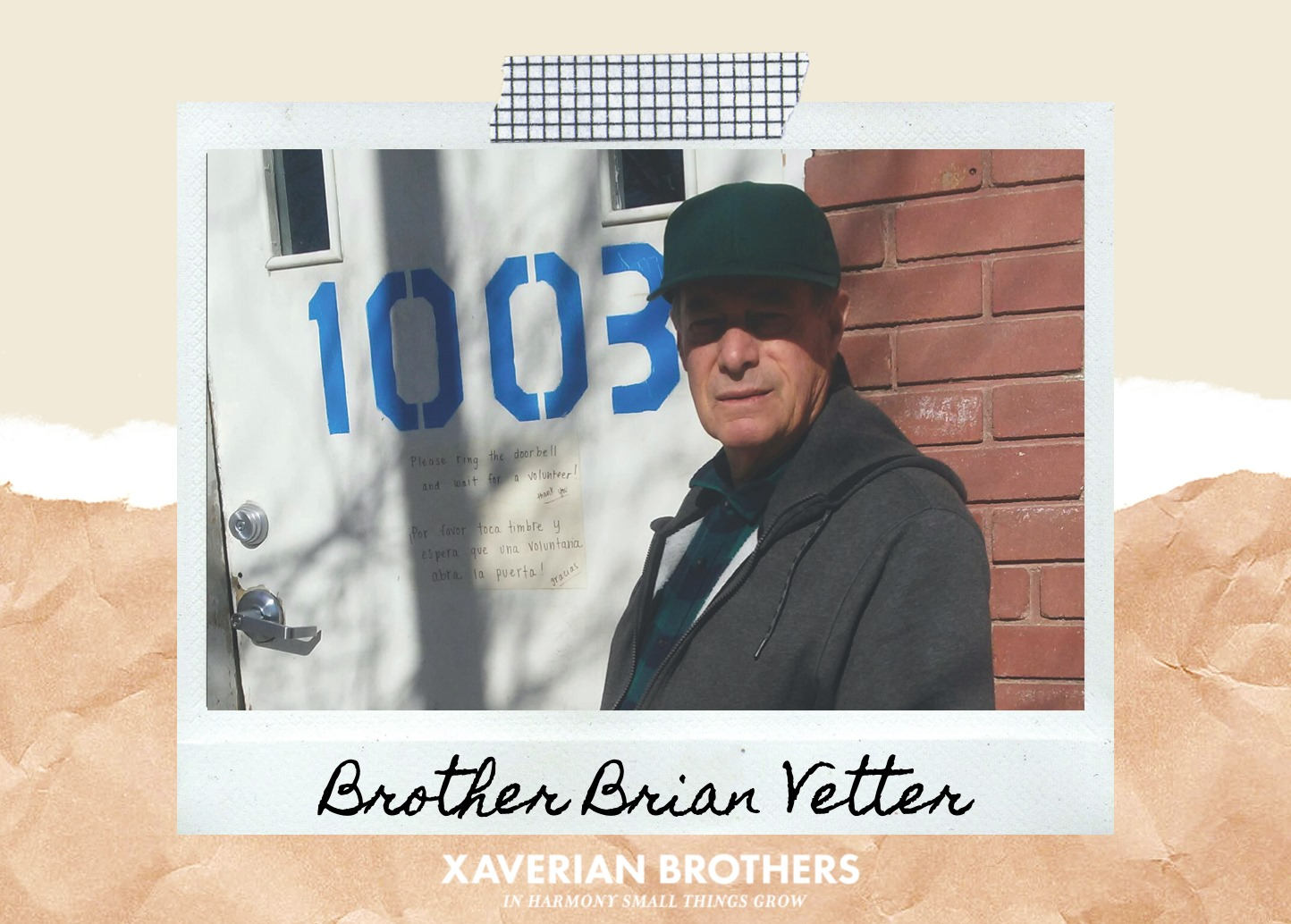
2. Consider reading the obituary of Br. Brian Vetter. Reflect on the ways in which he experienced joy and fulfillment by being open to each uncomfortable new calling.

(Photo above of Br. Brian Vetter, CFX)

Rest Easy?

As we begin the liturgical season of Ordinary Time in the Christian tradition, we are invited to reflect on the daily readings. For this first week of the season, the first readings come from an unknown author directed at the somewhat ambiguous audience in early Christianity known as “the Hebrews.” The Gospel readings during Ordinary Time are focused on Jesus and his actions and words, but mostly his actions, in the Gospel of Mark. There is also a reflection question based on documents from the Xaverian Brothers or from accounts of the lives of Xaverian Brothers or lay Partners in Mission. Please consider writing your own responses to the reflection questions below, or to reply to other peoples’ contributions.

Here are the readings for Friday, January 17 from the Letter to the Hebrews and from the Gospel of Mark.

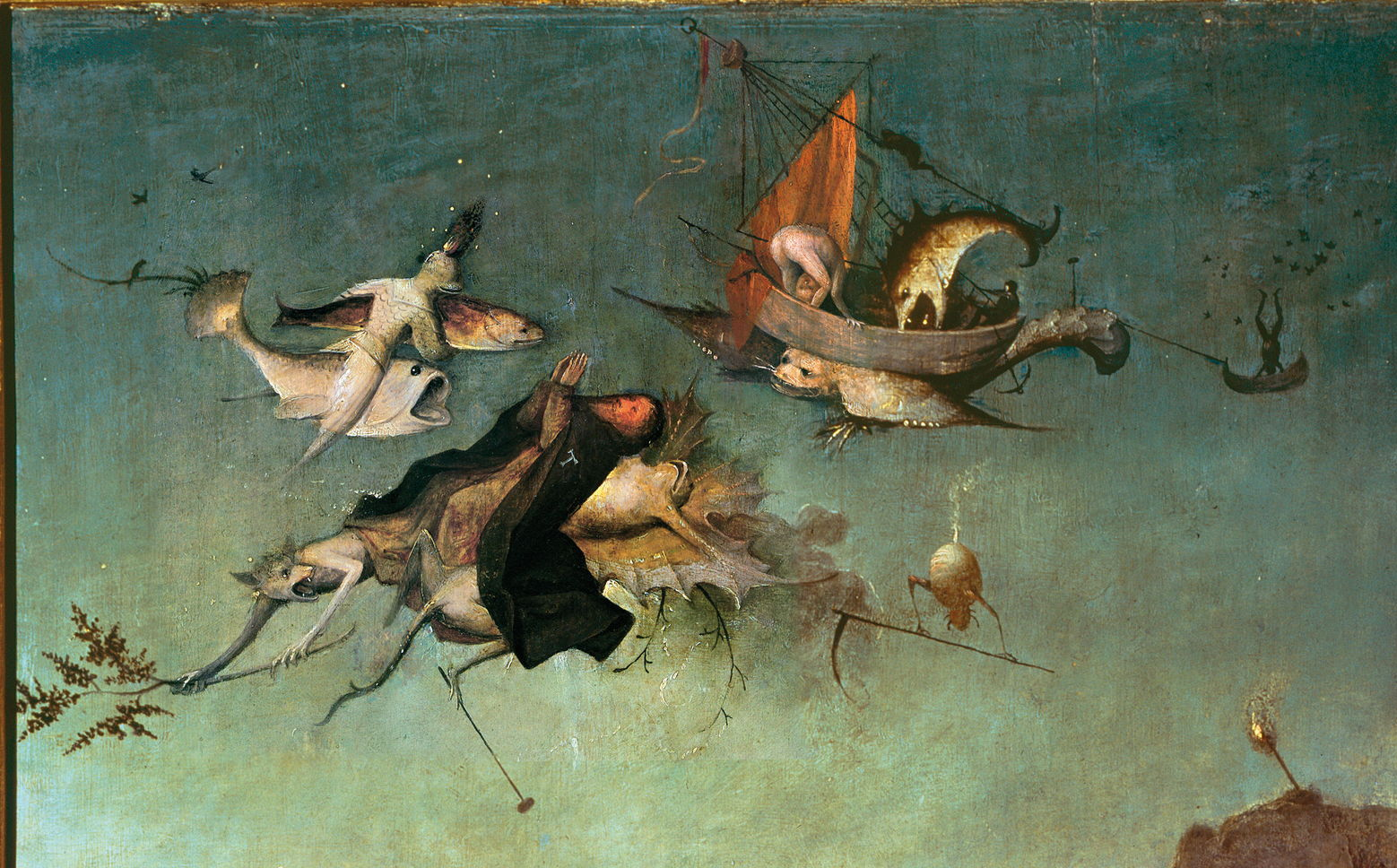
(painting below of “The Temptation of St. Anthony” by Hieronymus Bosch)

  1. The author to the Hebrews is full of concern about the peoples’ failure to observe the Sabbath, or to rest. Why is this a temptation today as much as it was 2000 years ago?
  2. Meditate on Jesus’ comment to his detractors-“which is easier to say-your sins or forgiven or to say get up and walk.” The Pharisees think they know why it is easier to say get up and walk, but what is Jesus really challenging them and us to consider?

Read page 6 from the Fundamental Principles of the Xaverian Brothers.

Conversion is a tricky term to apply to people, because it suggests immediate transformation. How does the author of the Fundamental Principles concur with the author to the Hebrews about pauses, sabbaths, or space in the day as necessary for that conversion to take place?

(Photo above of Br. Cornelius Hubbuch, CFX, and friends)

The Quickening

As we begin the liturgical season of Ordinary Time in the Christian tradition, we are invited to reflect on the daily readings. For this first week of the season, the first readings come from an unknown author directed at the somewhat ambiguous audience in early Christianity known as “the Hebrews.” The Gospel readings during Ordinary Time are focused on Jesus and his actions and words, but mostly his actions, in the Gospel of Mark. Please consider writing your own responses to the reflection questions below, or to reply to other peoples’ contributions. (painting of Christ Healing a Leper by Vrindaji Bowman)

Here are the readings for January 16, 2025 from the Letter to the Hebrews and from the Gospel of Mark.

  1. The author to the Hebrews is concerned about “hardening of peoples’ hearts.” Why is the author so concerned about attitude, and for people not to be grim do-gooders?
  2. Besides not being mobbed by crowds, what might another reason have been for Jesus telling the leper not to say anything about being healed?

Read pages 5 and 6 of the Fundamental Principles of the Xaverian Brothers.

  1. How does the author of the Fundamental Principles sound similar to the author of the Hebrews about choosing a way of life and about one’s attitude towards this life?
  2. “Quickening” is often used to refer to the first signs of life or a sudden stimulation or revelation. How does the author of the Fundamental Principles reflect on a person’s conversion or revelation of God?

(Photo above of Mr. Joseph Cegelski, math teacher at Mount Saint Joseph High School in Baltimore, MD from 1965-2015)

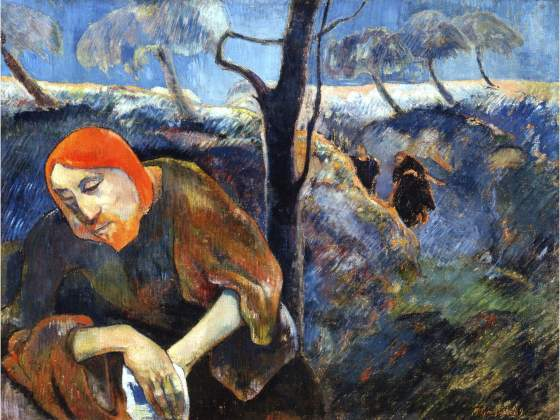
Empathy is hard to teach

As we begin the liturgical season of Ordinary Time in the Christian tradition, we are invited to reflect on the daily readings. For this first week of the season, the first readings come from an unknown author directed at the somewhat ambiguous audience in early Christianity known as “the Hebrews.” The Gospel readings during Ordinary Time are focused on Jesus and his actions and words, but mostly his actions, in the Gospel of Mark. Please consider writing your own responses to the reflection questions below, or to reply to other peoples’ contributions. (painting below by Paul Gauguin)

Here are the readings for January 15, 2025 from the Letter to the Hebrews and from the Gospel of Mark.

  1. What do you believe that the author of the book of Hebrews is saying to the audience about the simple but difficult dispositions Christians should have in their interactions with other people and with the world?
  2. In Mark, Jesus’ disciples do not understand why he left the crowd to be alone and pray. Consider when you have the opportunity to do as Jesus did, for however short a time, but choose not to and revert to a familiar pattern or behavior. How can you break this cycle of inertia?

Read page 5 of the Fundamental Principles of the Xaverian Brothers.

How does the author of the Fundamental Principles emphasize the dispositions and practices of Jesus from the previous readings, and how does the author encourage us to persevere in being countercultural?

Above photo of Br. Harry Eccles, CFX and Br. Richard Mazza, CFX at the Sant in Haiti.